

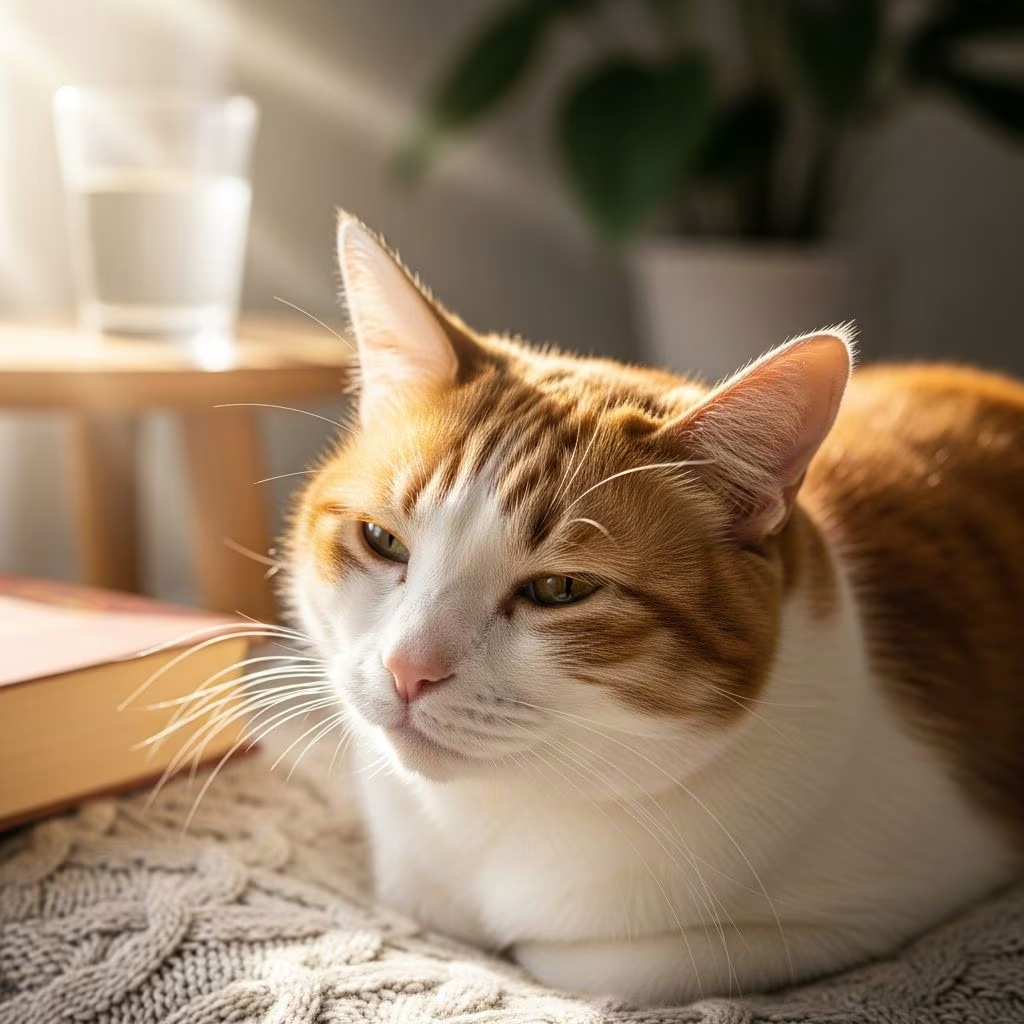
Senior cats, typically those aged 11 years and older, require specialized care to maintain their quality of life as they age. With advances in veterinary medicine, many cats now live into their late teens or early twenties, making proactive wellness essential. This guide covers everything from veterinary checkups and nutrition to common age-related conditions and home modifications, drawing on authoritative veterinary recommendations to help your feline companion enjoy their golden years.
What Is a Senior Cat?
Cats are generally considered seniors at 11 years old, with ‘super seniors’ reaching 15 years or more. Aging brings physiological changes, including reduced organ function, slower metabolism, and increased susceptibility to diseases. Unlike younger cats, seniors often have multiple concurrent conditions, complicating diagnosis and treatment. Early detection through regular monitoring is key to slowing disease progression and preserving comfort.
- Physiological shifts: Decreased kidney efficiency, muscle loss, and weakened immunity.
- Behavioral cues: Changes in appetite, litter box habits, or activity levels signal potential issues.
- Life expectancy boost: Proper care can extend healthy years significantly.
Understanding the Aging Process in Cats
As cats age, their bodies undergo gradual decline. Kidney function diminishes, leading to chronic kidney disease (CKD) in up to 30-50% of seniors. Joints stiffen from osteoarthritis, affecting mobility. Hormonal imbalances like hyperthyroidism become common, accelerating weight loss despite increased appetite. Cognitive dysfunction, akin to dementia, may cause disorientation or altered sleep patterns. Recognizing these signs early allows for timely interventions.
| Age Category | Key Changes | Vet Recommendations |
|---|---|---|
| 7-10 years (Mature) | Slight weight gain, early dental issues | Annual exams |
| 11-14 years (Senior) | Kidney decline, arthritis onset | Bi-annual checkups with bloodwork |
| 15+ years (Geriatric) | Multiple organ involvement, frailty | Quarterly monitoring if needed |
Frailty, a newly emphasized concept in feline geriatrics, involves weight loss, weakness, and reduced resilience, warranting holistic assessments.
Common Health Issues in Senior Cats
Senior cats face a range of conditions that require vigilant monitoring. Here’s a breakdown of the most prevalent issues:
- Chronic Kidney Disease (CKD): Progressive loss of kidney function; symptoms include increased thirst, weight loss, and poor coat condition. Early blood and urine tests are crucial.
- Hyperthyroidism: Overactive thyroid causing weight loss, hyperactivity, and heart issues. Palpation during exams detects enlarged glands.
- Diabetes Mellitus: Insulin deficiency leading to excessive urination and hunger. Managed with diet and insulin.
- Arthritis/Osteoarthritis: Joint inflammation causing reluctance to jump or groom. Supplements and pain relief help.
- Dental Disease: Periodontal issues leading to pain and infections. Regular brushing and cleanings prevent escalation.
- Obesity or Cachexia: Weight gain risks diabetes; unintended loss signals underlying disease.
- Cancer and Infections: Neoplasia and FIV increase; screenings aid early intervention.
Multiple diseases often coexist, so comprehensive diagnostics like bloodwork, urinalysis, and radiographs are standard in senior protocols.
Veterinary Care for Senior Cats
Twice-yearly wellness exams are the cornerstone of senior cat care. These ‘Senior Wellness Programs’ include:
- Thorough physical exam: Checking weight, thyroid, heart, abdomen, joints, eyes, ears, skin, and dental health.
- Laboratory tests: Blood chemistry, complete blood count, urinalysis, and blood pressure measurement.
- Imaging: Chest/abdominal X-rays if indicated.
- Vaccinations and parasite prevention: Tailored to lifestyle and risk.
These visits enable early detection, where diseases are most treatable, maintaining quality of life (QOL). Veterinarians assess HRQOL factors like mobility and appetite to guide plans. For frail cats, additional frailty indices evaluate resilience.
Nutrition and Diet for Senior Cats
Diet adjustments are vital as metabolism slows and specific needs arise. Senior formulas are lower in calories (to combat obesity) but higher in quality protein for muscle maintenance, with added antioxidants, omega-3s for joints, and controlled phosphorus for kidneys.
- Protein: Highly digestible sources preserve lean mass.
- Fats: Reduced to prevent weight gain; omega-3s reduce inflammation.
- Fiber: Supports digestion; prebiotics enhance gut health.
- Vitamins/Minerals: B-vitamins, E, and potassium bolster immunity and organ function.
- Hydration boost: Wet foods increase moisture intake, critical for CKD prevention.
Feed small, frequent meals; monitor intake to avoid under/overfeeding. Transition diets gradually over 7-10 days. Consult vets for prescription diets targeting conditions like diabetes or CKD.
Home Environment Adjustments
Modify your home to suit declining mobility and senses:
- Accessibility: Low-sided litter boxes, steps/ramps to beds and windows, elevated food/water bowls if arthritis limits bending.
- Comfort: Orthopedic beds, heated pads for joints, multiple resting spots.
- Safety: Non-slip floors, secure high perches with ramps.
- Stimulation: Puzzle feeders, gentle interactive toys for mental health.
Monitor for cognitive changes: confusion, vocalizing at night, or litter avoidance. These may indicate feline cognitive dysfunction, manageable with diets or meds.
Recognizing Pain and Discomfort
Senior cats hide pain, but signs include reduced grooming, aggression when touched, limping, or appetite loss. Arthritis affects up to 90% of seniors; use pain scales during vet visits. Multimodal management includes NSAIDs, joint supplements (glucosamine), laser therapy, and weight control.
- Observe jumping, grooming, posture.
- Provide soft bedding and low-impact play.
- Regular vet pain assessments guide therapy.
Quality of Life and End-of-Life Considerations
Assess QOL using scales evaluating eating, hygiene, mobility, and happiness. When suffering outweighs joy, humane euthanasia preserves dignity. Discuss with vets; tools like the HHHHHMM scale (Hurt, Hunger, Hydration, Hygiene, Happiness, Mobility, More good days than bad) aid decisions.
Focus on palliative care: Comfort, pain relief, and family bonding in final stages.
Frequently Asked Questions (FAQs)
How often should senior cats see the vet?
Senior cats need checkups every 6 months, including bloodwork and urinalysis for early disease detection.
What diet is best for a senior cat?
High-protein, low-calorie senior formulas with joint support and hydration-promoting wet food.
Can senior cats get arthritis?
Yes, osteoarthritis is common; support with ramps, supplements, and vet-prescribed pain relief.
Are vaccinations needed for older cats?
Yes, core vaccines and parasite control continue based on risk assessment.
How can I tell if my senior cat is in pain?
Watch for changes in mobility, grooming, appetite, or behavior; consult your vet for pain management.
What are signs of kidney disease in senior cats?
Increased thirst/urination, weight loss, vomiting; regular screenings catch it early.
References
- Senior Cat Care – Special Considerations — VCA Animal Hospitals. 2023. https://vcahospitals.com/know-your-pet/senior-cat-care—special-considerations
- Senior Cat Health Tips — Cherry Hill Dog & Cat Hospital. 2026-01-10. https://cherryhilldogcathospital.com/2026/01/10/senior-cat-health-guide-adjusting-care-for-aging-felines/
- A Pet Parent’s Guide to Caring for Old Cats — Modesto Vet Hospital. 2024-05-15. https://www.modestovethospital.com/site/blog/2024/05/15/senior-cat-care
- Caring for Senior or Older Dogs & Cats — Sploot Vets. 2024. https://www.splootvets.com/post/how-to-care-for-older-dogs-cats-must-know-tips
- Senior Cat Nutrition 101 — Haw Creek Animal Hospital. 2024. https://www.hawcreekanimalhospital.com/senior-cat-nutrition-101/
- 2021 AAFP Senior Care Guidelines — American Association of Feline Practitioners (catvets.com). 2021. https://catvets.com/resource/senior-care-guidelines/
- Loving Care for Older Cats — Cornell University College of Veterinary Medicine. 2024. https://www.vet.cornell.edu/departments-centers-and-and-institutes/cornell-feline-health-center/health-information/feline-health-topics/loving-care-older-cats



