

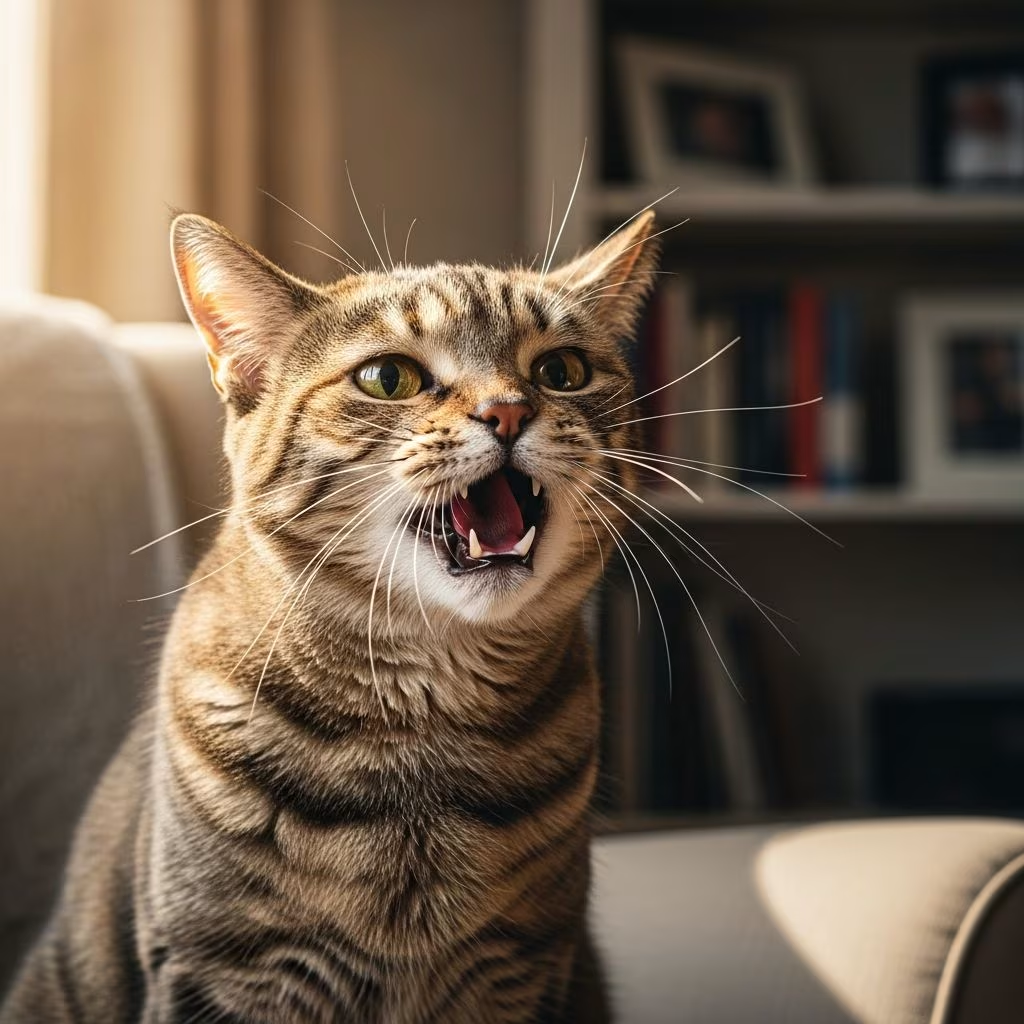
Many cat owners notice their once-quiet companions becoming unusually chatty as they age, filling the house with persistent meows, yowls, or cries, especially during nighttime hours. This shift in vocal behavior can disrupt sleep and signal underlying problems ranging from treatable medical conditions to age-related cognitive changes. Understanding these patterns helps owners respond effectively, improving their pet’s quality of life.
Recognizing Normal vs. Problematic Vocalizations in Aging Cats
Cats communicate through a variety of sounds, but excessive vocalization in seniors—defined as frequent, insistent meowing that persists despite attention—differs from typical purring or greeting chirps. Older felines may produce louder, more urgent tones due to sensory losses or discomfort. Nighttime outbursts are particularly common, often linked to disorientation or unmet needs.
- Frequency increase: Meowing multiple times per hour, day or night.
- Tone changes: Hoarse, low-pitched, or prolonged yowls indicating distress.
- Contextual clues: Vocalizing near doors, food bowls, or litter boxes.
Tracking these episodes in a journal, noting time, duration, and accompanying behaviors like pacing or hiding, aids in pinpointing triggers.
Health-Related Reasons for Heightened Meowing
Medical issues top the list of causes for vocal excess in senior cats, as aging bodies become prone to conditions that provoke discomfort or restlessness. Prompt veterinary evaluation is essential, as many are manageable with early intervention.
Thyroid Overactivity and Its Restless Effects
Hyperthyroidism, prevalent in cats over 10 years, accelerates metabolism, causing constant hunger, weight loss, and hyperactivity manifested as non-stop vocalizing. Affected cats drink more, shed fur clumps, and develop heart complications if untreated. Blood tests confirm diagnosis, with medications or surgery offering relief.
Pain Signals from Joints, Teeth, and Urinary Systems
Arthritis stiffens joints, dental infections inflame gums, and urinary tract infections cause straining—each prompting plaintive meows. Seniors hide pain stoically, but limping, appetite dips, or frequent litter visits betray issues. X-rays or urine analysis reveal problems treatable with pain relievers, antibiotics, or dental cleanings.
Sensory Impairments: Vision, Hearing, and Voice Alterations
Deafness leads to louder meows since cats can’t gauge their volume; blindness heightens reliance on voice for navigation. Hoarse cries often stem from respiratory infections or laryngeal issues, warranting exams to rule out tumors or paralysis.
| Condition | Symptoms | Vet Action |
|---|---|---|
| Hyperthyroidism | Weight loss, thirst, restlessness | Bloodwork, meds |
| Arthritis/Pain | Limping, hiding, low meows | Exam, pain relief |
| Deafness | No response to sounds, loud cries | Observation, adaptation |
Cognitive and Neurological Factors in Older Cats
Feline Cognitive Dysfunction (CDS), akin to human dementia, affects up to 80% of cats over 15, disrupting sleep-wake cycles and spatial awareness, resulting in confused nighttime yowling. Hypertension or kidney disease exacerbates this, amplifying vocal urgency.
- Disorientation: Wandering and calling out in familiar spaces.
- Sleep reversal: Active nights, drowsy days.
- Anxiety spikes: Clingy or fearful behaviors.
Vets prescribe supplements like antioxidants or anti-anxiety aids; environmental tweaks provide stability.
Environmental and Lifestyle Contributors
Beyond health, daily factors provoke vocal demands. Boredom from reduced play, routine disruptions like new household members, or unmet needs (hunger, access) fuel meowing.
Stress from Changes and Isolation
Moves, visitors, or absent owners trigger separation distress, with meows seeking reassurance. Unspayed seniors may yowl territorially or hormonally.
Boredom and Energy Imbalance
Inactive days lead to pent-up energy released at night. Interactive toys and scheduled play curb this.
Step-by-Step Veterinary and Home Interventions
Start with a senior wellness check including blood panels, urinalysis, and blood pressure measurement to exclude medical culprits. If cleared, behavioral strategies follow.
- Rule out pain: Full physical, dental, and orthopedic assessment.
- Assess cognition: CDS screening questionnaire for owners.
- Optimize environment: Night lights for navigation, elevated bowls for arthritic jaws.
Daily Management Techniques
Establish routines: Feed, play, and retire consistently. Pheromone diffusers calm nerves; puzzle feeders engage minds. Ignore attention-seeking meows while rewarding quiet with treats.
Nutrition and Supplements for Vocal Calm
Senior diets rich in omega-3s support brain health, potentially easing CDS symptoms. Joint supplements with glucosamine reduce pain-meows; vet-approved melatonin aids sleep cycles.
When to Escalate: Red Flags Requiring Immediate Care
- Sudden volume or tone shift.
- Meowing with vomiting, seizures, or collapse.
- Persistent despite interventions.
These signal emergencies like strokes or organ failure.
FAQs on Senior Cat Excessive Meowing
Why does my 12-year-old cat yowl only at 3 AM?
Nighttime disorientation from CDS or sensory loss is common; increase daytime activity and use soft lighting.
Can diet changes stop my cat’s constant meowing?
Hyperthyroidism diets may help if diagnosed, but consult a vet first.
Is ignoring the meows cruel?
Brief ignoring prevents reinforcement, but check health first—punishment worsens anxiety.
How to test for deafness in my senior cat?
Approach from behind with sounds; no ear twitch or response indicates loss.
Will my cat’s meowing improve with age?
Untreated issues worsen; proactive care often restores normalcy.
Addressing excessive vocalization restores harmony, extending joyful years for senior cats through vigilant care.
References
- Why Is My Cat Meowing So Much? Understanding Feline Vocalization — Star of Texas Veterinary. Accessed 2026. https://staroftexasvet.com/why-is-my-cat-meowing-so-much-understanding-feline-vocalization-and-what-it-means/
- Why is Your Elderly Cat Yowling Excessively? — Purina US. Accessed 2026. https://www.purina.com/articles/cat/senior-cat/behavior/yowling
- Why Is My Cat Meowing So Much? — PetMD. Accessed 2026. https://www.petmd.com/cat/behavior/cat-meowing
- Soothing the Nocturnal Noise: Understanding Old Cats Who Meow at Night — Melbourne Cat Vets. Accessed 2026. https://www.melbournecatvets.com.au/post/soothing-the-nocturnal-noise-understanding-and-comforting-old-cats-who-meow-at-night
- Older Cats with Behavior Problems — ASPCA. Accessed 2026. https://www.aspca.org/pet-care/cat-care/common-cat-behavior-issues/older-cats-behavior-problems



