

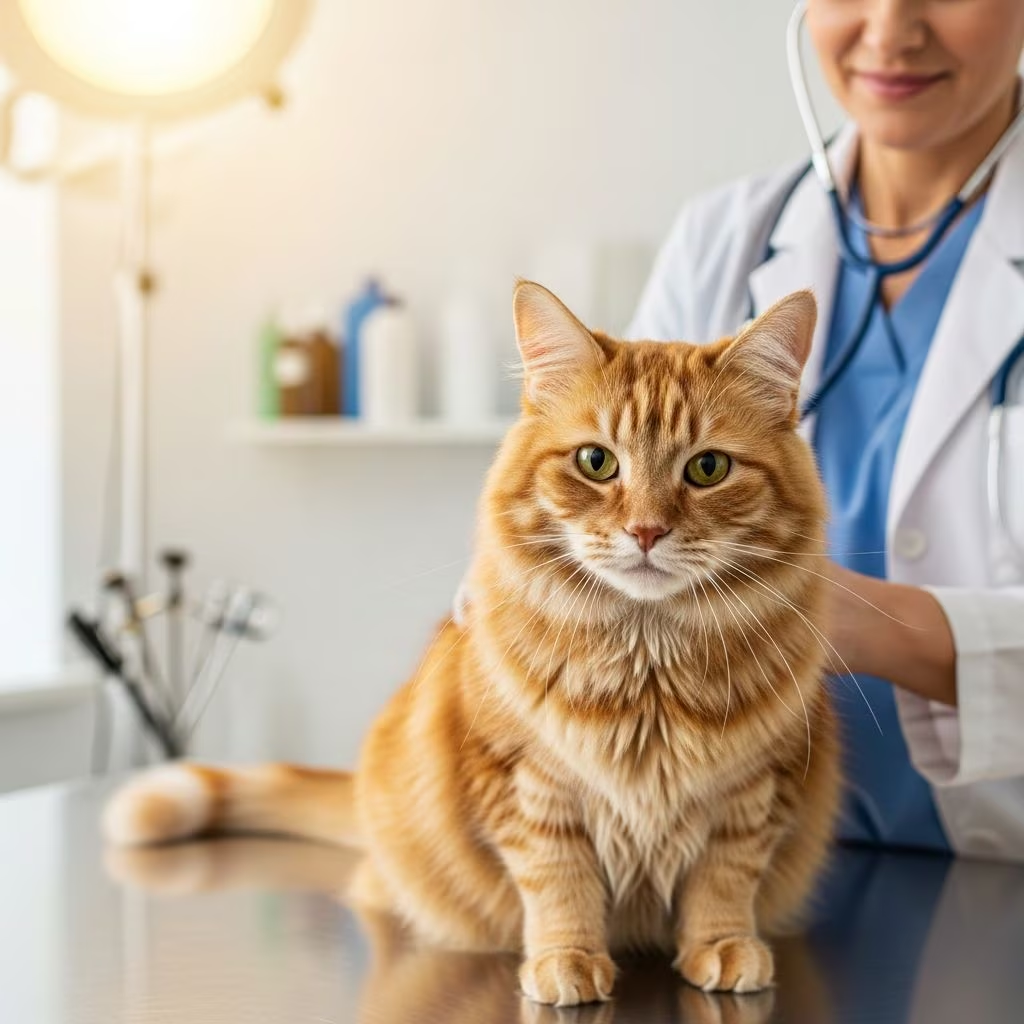
Older cats benefit from veterinary examinations at least twice yearly to identify age-related health issues early, when interventions are most effective. These routine visits allow for tailored care plans that address common conditions like kidney disease and arthritis, helping maintain quality of life.
Defining Senior Status in Cats
Cats enter their senior years around age 7 to 10, with those over 15 considered geriatric, accelerating the need for vigilant monitoring. Physical changes such as reduced kidney function and muscle loss occur subtly, often masked by cats’ instinct to conceal illness. Vets use body condition scoring (BCS) and muscle condition scoring (MCS) during visits to track these shifts accurately.
Regular weigh-ins reveal gradual changes hard to notice at home; use a baby scale for precision and report trends to your veterinarian. Hydration assessment is crucial, as conditions like chronic kidney disease (CKD) lead to fluid loss, evaluated via skin elasticity and mucous membrane checks.
Frequency and Components of Vet Exams
Senior cats aged 10-15 require checkups every 6 months, while those over 15 need visits every 3-4 months, or more if chronic issues exist. Exams encompass:
- Comprehensive physical evaluation, including heart, lungs, abdomen, and oral health.
- Blood panels for kidney, liver, thyroid function, and complete blood count.
- Urinalysis to detect early CKD or diabetes.
- Blood pressure measurement to screen for hypertension.
- Optional imaging like chest or abdominal X-rays for deeper insights.
These diagnostics enable early detection; for instance, semi-annual bloodwork catches manageable diseases before symptoms appear. Discuss vaccinations, parasite prevention, and dental care tailored to lifestyle.
Common Health Concerns in Aging Felines
Senior cats face heightened risks of CKD, hyperthyroidism, diabetes, arthritis, and dental disease. Kidney decline affects water intake regulation, while joint degeneration causes mobility issues. Gastrointestinal problems and cognitive dysfunction may alter litter habits or behavior.
| Condition | Signs | Vet Screening |
|---|---|---|
| Chronic Kidney Disease | Increased thirst, weight loss | Bloodwork, urinalysis |
| Arthritis | Limping, reluctance to jump | Physical exam, pain assessment |
| Hyperthyroidism | Weight loss despite appetite | Thyroid blood test |
| Dental Disease | Bad breath, drooling | Oral exam, possible X-rays |
Never attribute changes like house-soiling or lethargy to ‘old age’; prompt vet evaluation rules out underlying pathology.
Nutritional Strategies for Senior Cats
High-quality, digestible diets with moderate phosphorus support kidney and liver health, assuming subclinical issues. Monitor caloric intake, as metabolism slows; multiple small meals prevent obesity or cachexia.
- Incorporate wet food to boost hydration.
- Use wide, shallow bowls or elevated stands for whisker comfort and joint relief.
- Consider vet-recommended supplements for hydration if needed.
Track intake details like portions, supplements, and water consumption during vet discussions. Weight management preserves muscle mass, vital for mobility.
Optimizing the Home Environment
Adapt living spaces to senior needs using the five pillars of feline wellness: resources, safety, socialization, play, and environment. Provide:
- Litter boxes on every level: low-sided, uncovered for easy access.
- Multiple water stations, including fountains, to encourage drinking.
- Ramps, steps, and night lights for navigation.
- Varied resting spots at different heights and textures.
Observe elimination patterns; changes signal potential GI or kidney issues.
Grooming and Mobility Maintenance
Aging impairs self-grooming, leading to mats in longer-haired breeds; daily gentle brushing prevents this. Trim nails monthly to avoid overgrowth into paw pads.
Encourage gentle exercise via interactive toys for mental stimulation, countering cognitive decline. Elevated food bowls aid cats with degenerative joint disease (DJD).
Recognizing Warning Signs
Monitor for:
- Swelling, non-healing sores, or lumps.
- Breathing, urination, or defecation difficulties.
- Appetite or behavior shifts.
Early reporting facilitates pain management and treatment plans customized to your cat’s needs and your capabilities.
Preventive Care Essentials
Maintain core preventives: vaccinations, flea/tick/worm control, and dental cleanings. Semi-annual visits refine these based on health status. Nutrition counseling ensures age-appropriate calories and nutrients.
Frequently Asked Questions
How often should my senior cat see the vet?
Every 6 months for ages 10-15; every 3-4 months for over 15, or as advised.
What does a senior wellness exam include?
Physical check, blood/urine tests, blood pressure, weight/BCS/MCS, and discussions on diet/behavior.
Can diet help my senior cat’s kidneys?
Yes, phosphorus-restricted, high-moisture foods support renal health; consult your vet.
Why multiple litter boxes for seniors?
Arthritis or weakness makes distant boxes inaccessible, reducing accidents.
Is weight loss normal in old cats?
No; it warrants vet investigation for CKD, hyperthyroidism, or diabetes.
Long-Term Quality of Life Planning
Ongoing checkups monitor pain, disease progression, and quality of life. Collaborate with your vet on realistic management, adjusting as needs evolve. A senior-friendly home, proper nutrition, and prompt care extend comfortable years.
References
- How To Keep Your Senior Cat Healthy — PetMD. 2023. https://www.petmd.com/cat/general-health/how-to-keep-your-senior-cat-healthy
- 2021 AAFP Feline Senior Care Guidelines — PMC/NCBI. 2021. https://pmc.ncbi.nlm.nih.gov/articles/PMC10812122/
- Senior Cat Care – Special Considerations — VCA Animal Hospitals. 2023. https://vcahospitals.com/know-your-pet/senior-cat-care—special-considerations
- Providing Care for a Senior Cat — Cat Friendly Homes. 2023. https://catfriendly.com/life-stages/senior-care/
- Senior Cat Wellness Care Recommendations — Gladstone Vets. 2023. https://gladstonevets.com/senior-cat-wellness-care-recommendations/
- Loving Care for Older Cats — Cornell University College of Veterinary Medicine. 2023. https://www.vet.cornell.edu/departments-centers-and-institutes/cornell-feline-health-center/health-information/feline-health-topics/loving-care-older-cats



