
Help My Senior Cat Is Stressed by My New Cat
Managing stress when introducing a new cat to your senior feline companion.
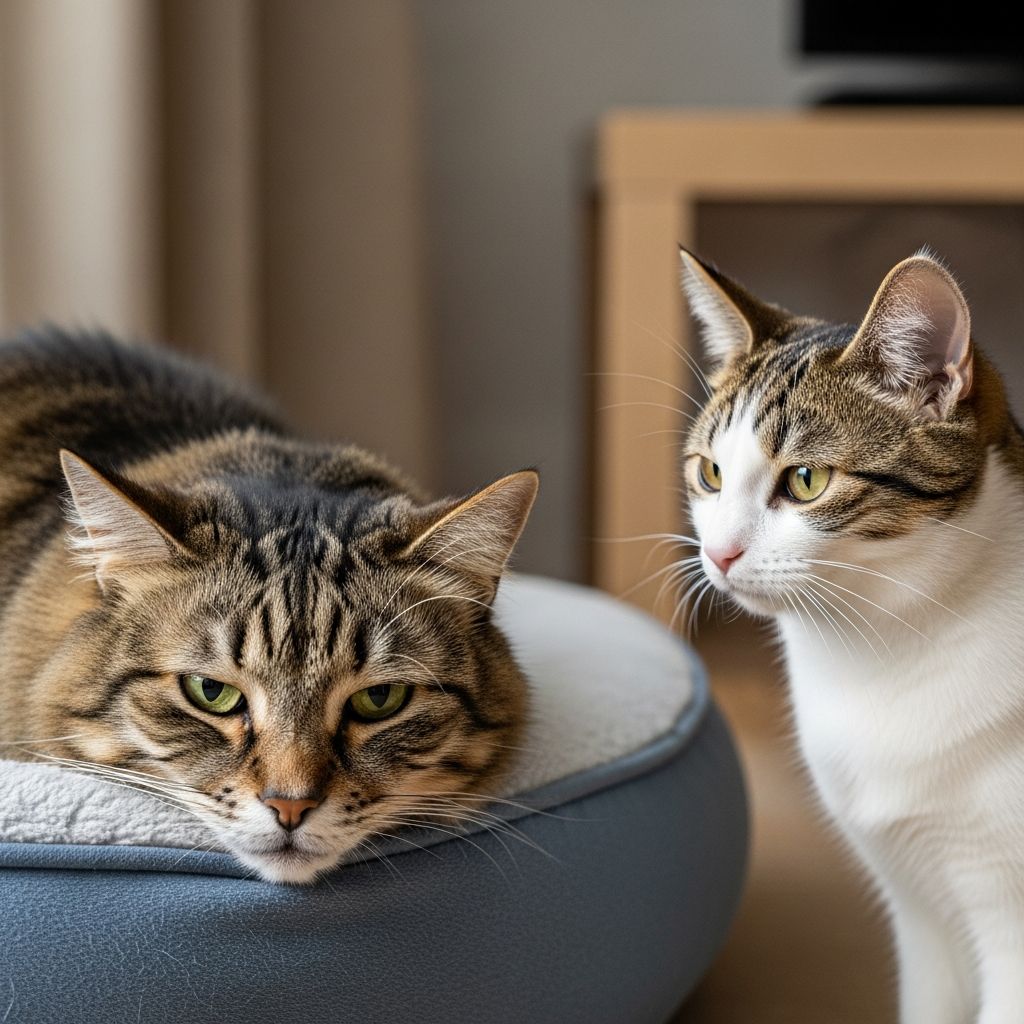
Introducing a new cat to your household can be an exciting experience, but it can also be challenging, particularly when you have a senior cat already settled in their environment. Senior cats are often accustomed to their routine and territorial boundaries, making the arrival of a new kitten potentially stressful. Understanding how to manage this transition carefully is essential for the well-being of both your feline companions. This comprehensive guide will help you navigate the complexities of introducing a new cat to your senior cat while minimizing stress and promoting a harmonious relationship.
Understanding Senior Cat Stress
Senior cats, typically those over seven years old, have established routines and territorial behaviors that are deeply ingrained. When a new kitten arrives, it disrupts this carefully maintained equilibrium. Cats are naturally solitary animals, and your senior cat may perceive the newcomer as a threat to their territory, resources, and relationship with you. Recognizing that your senior cat is experiencing stress is the first critical step in helping them adjust to this major life change.
Common Signs of Stress in Senior Cats
Your senior cat may exhibit various behavioral and physical signs indicating they are stressed by the new arrival. Being able to identify these signs allows you to intervene appropriately and adjust your introduction strategy.
- Excessive vocalization or unusual meowing patterns
- Hiding for extended periods in secluded areas
- Decreased appetite or changes in eating habits
- Inappropriate urination outside the litter box
- Excessive grooming or neglecting grooming altogether
- Aggression toward the new kitten or family members
- Changes in sleep patterns or lethargy
- Avoidance of interaction with family members
- Dilated pupils or tension in body posture
- Loss of interest in previously enjoyed activities
If your senior cat exhibits extreme signs of distress, such as prolonged hiding, complete loss of appetite, or excessive inappropriate elimination, consult your veterinarian. These symptoms may indicate underlying health issues or severe anxiety that requires professional intervention.
Preparing Your Home Before the New Kitten Arrives
The key to a successful introduction begins before your new kitten even crosses the threshold of your home. Proper preparation sets the foundation for a less stressful transition for both cats.
Create a Safe Space for Your Senior Cat
Your senior cat needs to maintain access to their familiar areas and resources. Before bringing the new kitten home, ensure your senior cat has a quiet, comfortable space where they can retreat and feel secure. This space should include their favorite toys, bedding, and access to their established litter box and food bowls. This designated area gives your senior cat a sense of control and a safe haven during the stressful introduction period.
Prepare a Separate Space for the New Kitten
Simultaneously, set up a separate room or enclosed area exclusively for your new kitten. This space should be completely separate from your senior cat’s areas, at least during the initial phases of introduction. The kitten’s space should include its own litter box, food and water bowls, toys, scratching posts, and comfortable bedding. This separation prevents direct conflict while allowing both cats to adjust to each other’s presence gradually through scent.
Stock Essential Supplies
Ensure you have multiple litter boxes, food bowls, and water stations available. The general rule is to have one litter box per cat, plus one additional box. Multiple resources reduce competition and territorial disputes, making the transition smoother for both felines.
The Introduction Process: A Step-by-Step Approach
A gradual, patient introduction is crucial for helping your senior cat manage stress. This process typically takes weeks, and rushing can result in prolonged conflict and increased anxiety for both cats.
Step One: Initial Separation (Days 1-3)
When you bring your new kitten home, keep them completely separated from your senior cat for at least two to three days. This period allows your kitten to acclimate to their new environment while giving your senior cat time to detect the newcomer’s scent without direct confrontation. During this time, handle basic veterinary care for your kitten, including health checks, vaccinations, and grooming. These tasks help establish bonding and reduce your kitten’s anxiety, making subsequent introductions less stressful.
Step Two: Scent Swapping (Days 3-7)
After the initial separation period, begin introducing the cats to each other’s scents. This is a critical phase that helps normalize the presence of the other cat without the stress of direct interaction. Swap bedding, blankets, or toys between the cats’ spaces, allowing each to smell the other in a non-threatening context. Place these scented items in areas where each cat feels comfortable. Praise and reward both cats when they investigate these items, creating positive associations with the other cat’s scent.
You can also rub a towel on one cat and place it near the other’s space. Alternatively, use scent swapping tools or feline pheromone products designed to reduce stress during introductions.
Step Three: Visual Introduction (Week 2)
Once both cats seem comfortable with each other’s scents, allow them to see each other without direct contact. Use a baby gate, cracked door, or screen door to facilitate visual contact while maintaining a physical barrier. Allow these visual sessions to last just a few minutes initially, observing how your senior cat reacts. If your senior cat shows curiosity rather than aggression, gradually extend these visual interactions.
If your senior cat shows aggressive behavior such as hissing, growling, or swatting at the barrier, end the session immediately and return to scent swapping for a few more days before attempting visual contact again.
Step Four: Supervised Direct Interaction (Week 3 Onward)
Only when both cats demonstrate calm and relaxed behavior during visual introductions should you allow supervised direct contact. Start with very brief interactions in a neutral space where neither cat feels territorially defensive. Keep these initial meetings to just a few minutes, and always supervise closely.
During supervised interactions, reward calm behavior with treats and praise. Redirect any aggressive behavior with toys or distractions before escalation occurs. End each session on a positive note, even if it’s brief, to create a sense of successful interaction.
Managing Aggression and Conflict
Some level of conflict during introductions is normal, but severe aggression must be addressed immediately. Understanding the difference between normal cat communication and dangerous aggression is crucial.
Normal Cat Behavior During Introductions
Cats may hiss, swat gently, or growl during early interactions. These are normal communication methods that establish boundaries. Your senior cat is essentially telling the kitten to respect their space. As long as no actual contact or injury occurs, allow this natural communication to proceed.
Signs of Dangerous Aggression
Dangerous aggression includes stalking, pouncing, biting, sustained chasing, or physical altercations resulting in injury. If you observe these behaviors, immediately separate the cats and return to the previous introduction stage. Take a break of several days before attempting the next stage of introduction.
Intervention Strategies
When you notice the beginning of escalated aggression, distract both cats with a loud noise, toy, or treat. This redirection gives them an opportunity to disengage and retreat. Safely separate them if necessary, allowing both to calm down before any further interaction. Never punish either cat for aggressive behavior, as this increases stress and anxiety, potentially worsening the situation.
Environmental and Behavioral Support Strategies
Beyond the introduction process itself, several strategies can help reduce your senior cat’s overall stress during this transition.
Maintain Routine and Predictability
Cats thrive on routine. Keep feeding times, play sessions, and sleep schedules consistent for your senior cat. Maintaining their established routine reassures them that their life hasn’t fundamentally changed and that you still prioritize their needs. This consistency is particularly important for senior cats, whose anxiety increases with unpredictable changes.
Provide Vertical Space and Hiding Areas
Install cat trees, wall shelves, and perches that give your senior cat elevated spaces where they can observe the kitten without direct interaction. Cats feel safer when they have height advantage and escape routes. Provide enclosed hiding areas such as cat beds, cardboard boxes, or cat tunnels where your senior cat can retreat when feeling overwhelmed.
Increase Individual Attention
During the introduction period, your senior cat may feel displaced or neglected. Increase one-on-one playtime, petting, and attention with your senior cat to reinforce that they remain an important, valued member of your family. Schedule dedicated time with your senior cat away from the kitten to maintain your bond and reassure them of your continued affection.
Use Calming Aids
Consider using feline pheromone diffusers such as Feliway, which release synthetic versions of natural calming pheromones. These products can significantly reduce stress and anxiety in cats during challenging transitions. Discuss additional options with your veterinarian, such as calming treats or supplements containing ingredients like L-theanine or tryptophan.
Ensure Adequate Play and Exercise
Regular play sessions help reduce stress and anxiety in both cats. Engage your senior cat in appropriate physical activity that matches their age and fitness level. Exercise promotes endorphin release and helps maintain their emotional well-being during stressful times.
When to Seek Professional Help
Some situations warrant professional intervention. If your senior cat exhibits signs of extreme distress, fails to improve after several weeks of careful introduction, or shows aggressive behavior that doesn’t respond to your management strategies, contact your veterinarian. They can rule out underlying health issues and discuss whether anti-anxiety medication might help during this transition. Professional cat behaviorists can also provide customized strategies based on your specific situation.
Timeline Expectations
The introduction process is not quick. Expect the timeline to span several weeks or even months, depending on your senior cat’s temperament and previous experiences. Some senior cats may need a longer adjustment period than younger cats. Patience and consistency are essential. Rushing the process often results in prolonged stress and conflict rather than accelerating the timeline.
Signs of Successful Adjustment
You’ll know your senior cat is adjusting well when they:
- Eat normally and maintain consistent appetite
- Groom themselves regularly without excessive behavior
- Use the litter box appropriately
- Resume normal activity levels and play behavior
- Tolerate the kitten’s presence without constant hissing or aggression
- May even engage in play or grooming with the new kitten
- Return to their pre-introduction personality and habits
Frequently Asked Questions
Q: How long should I keep my senior cat and new kitten separated?
A: Plan for at least 3-7 days of complete separation, followed by gradual introduction phases spanning 3-6 weeks or longer. The exact timeline depends on your specific cats’ temperaments and comfort levels.
Q: Is it safe to leave my senior cat and new kitten unsupervised together?
A: Not initially. Only allow unsupervised time together once your cats have demonstrated consistently calm behavior during multiple supervised sessions. Even then, start with short periods and gradually extend unsupervised time.
Q: What if my senior cat refuses to accept the new kitten after weeks?
A: Some cats need extended periods. Continue the gradual introduction process, ensure adequate resources and space for both, and consider consulting a professional cat behaviorist or your veterinarian about additional support options.
Q: Can I use medication to help my senior cat’s stress?
A: Yes, your veterinarian can discuss anti-anxiety medications, calming supplements, or prescription medications if your senior cat’s stress is severe. These should be combined with proper introduction techniques.
Q: Should I punish my senior cat for aggressive behavior toward the kitten?
A: No, punishment increases stress and can worsen aggression. Instead, use positive redirection, reward calm behavior, and separate the cats if necessary to prevent escalation.
Q: How can I tell if my senior cat’s stress is becoming a health problem?
A: Contact your veterinarian if your senior cat shows prolonged loss of appetite, inappropriate elimination lasting more than a few days, extreme hiding, or other signs of distress that don’t improve after initial adjustments.
References
- 6 Tips for Introducing a New Kitten to Your Resident Cat — 1st Pet Veterinary Services. Accessed November 28, 2025. https://1stpetvet.com/6-tips-for-introducing-a-new-kitten-to-your-resident-cat/
- 7 Tips to Introduce a Kitten to an Older Cat — FELIWAY. Accessed November 28, 2025. https://www.feliway.co.uk/blogs/news/7-tips-to-introduce-a-kitten-to-an-older-cat
- Introducing a Kitten to Older Cat — NexGard SPECTRA. Accessed November 28, 2025. https://nexgard.com.au/pet-care/kitten-care/introducing-kitten-to-older-cat
- How to Introduce New Cats to Your Home — Humane World for Animals. Accessed November 28, 2025. https://www.humaneworld.org/en/resources/how-introduce-your-new-cat-resident-cats
- The Do’s and Don’ts of Introducing Cats — Jackson Galaxy. Accessed November 28, 2025. https://www.jacksongalaxy.com/blogs/news/the-dos-and-donts-of-introducing-cats
Similar Articles








Read full bio of Sneha Tete




