

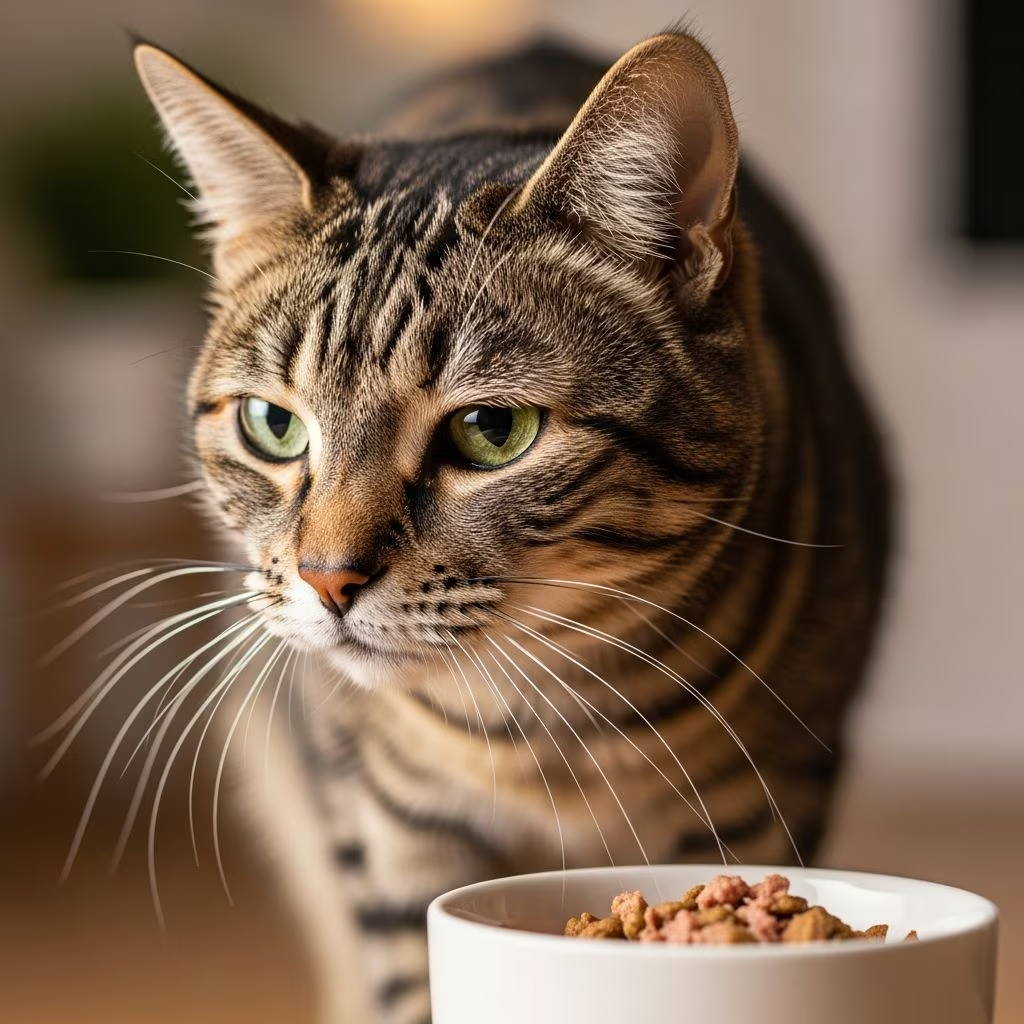
Many cat owners notice their beloved senior pets losing interest in food, a concerning shift that can lead to weight loss and weakness if unaddressed. This guide examines the primary factors behind appetite decline in older cats, drawing from veterinary insights to help you identify issues and implement solutions promptly.
Recognizing Appetite Changes in Aging Cats
As cats age beyond 11 years, their bodies undergo significant transformations that often diminish hunger. Unlike younger felines, seniors may eat smaller portions more frequently due to slowed digestion or heightened sensitivity. A single skipped meal might not alarm, but persistent refusal over 24-48 hours demands attention, as it risks fatty liver disease, a potentially fatal condition from rapid fat mobilization.
Observe subtle cues: Is your cat sniffing food without eating? Drooling or pawing at the mouth? Lethargy paired with unchanged litter habits? These signal underlying problems beyond pickiness. Tracking daily intake via measured portions helps quantify the issue early.
Common Medical Culprits Behind Food Refusal
Health conditions dominate reasons for anorexia in geriatric cats. Veterinary sources highlight dental woes and organ failures as frequent offenders.
Dental and Oral Discomfort
Dental disease affects over 70% of cats past age 10, causing pain that discourages chewing. Symptoms include halitosis, drooling, facial swelling, or selective eating (favoring soft textures). Gingivitis, tooth resorption, abscesses, or oral tumors make every bite agonizing, yet cats mask pain stoically.
- Gum inflammation: Red, bleeding gums from plaque buildup.
- Tooth loss: Leads to unstable chewing and jaw misalignment.
- Ulcers or lacerations: From rough kibble or foreign objects.
A home mouth check reveals much: gently lift lips for redness or loose teeth. Transition to wet food eases strain while awaiting professional cleaning.
Chronic Kidney Disease and Toxin Buildup
Kidney failure, prevalent in 30-50% of cats over 15, triggers nausea from uremic toxins. Affected cats drink excessively yet eat less, showing weight loss, poor coat, and metallic breath. Dehydration worsens the cycle, as nausea heightens.
Bloodwork confirms elevated creatinine and BUN levels. Management involves prescription renal diets low in phosphorus and high in omega-3s to slow progression.
Hyperthyroidism and Metabolic Shifts
Overactive thyroid glands accelerate metabolism, initially boosting appetite but later causing refusal amid weight loss and hyperactivity. Common in middle-aged to senior cats, it overlaps with diabetes, where insulin resistance leads to fluctuating hunger.
Symptoms: ravenous yet thin, vomiting, diarrhea. Thyroid panels and glucose curves diagnose; treatments range from medication to surgery.
Digestive Disorders and Nausea
Senior digestion falters, inviting IBS, constipation, or pancreatitis. Hairballs block passages, while food intolerances emerge from prior low-quality diets high in carbs. Nauseous cats lip-lick or drop food, associating meals with discomfort.
- Pancreatitis: Inflammation from fatty meals or carbs.
- IBD: Chronic gut inflammation mimicking allergies.
Environmental and Behavioral Factors
Not all refusals stem from illness; lifestyle tweaks often suffice.
Declining Sense of Smell
Cats rely on aroma for appeal; age dulls olfaction, rendering food unenticing. Warm food releases scents, or add fish oil for pungency.
Stress and Routine Disruptions
Seniors crave stability. New pets, rearranged furniture, visitors, or noise spike cortisol, suppressing appetite. Provide quiet feeding zones elevated for joint ease.
Arthritis and Mobility Challenges
Joint degeneration makes bowl access painful. Raise dishes 4-6 inches; ramps aid arthritic leaps. Weakness from any source exhausts mealtime efforts.
Nutritional Strategies to Spark Interest
Diet overhaul revives palates when health permits.
| Food Type | Benefits for Seniors | Tips |
|---|---|---|
| Wet Food | Hydrating, soft texture | Room temp, varied flavors |
| Senior Formulas | High protein/calories, digestible | Low carb, renal support |
| Fresh toppers | Boosts aroma, nutrients | Bonito flakes, tuna juice |
| Pate vs. Chunks | Easier lapping | Avoid gravies if nauseous |
Feed small, frequent meals; puzzle feeders combat boredom. Avoid forcing, as it breeds aversion. High-calorie gels bridge gaps during vet waits.
When to Escalate to Veterinary Care
Act fast: No food >24 hours, >10% weight loss, or paired symptoms (vomiting, diarrhea, jaundice) warrant immediate exams. Diagnostics include blood panels, urinalysis, imaging, dental X-rays.
End-stage signs like hiding or collapse signal hospice discussions. Early intervention via twice-yearly senior wellness checks prevents crises.
Preventive Measures for Long-Term Vitality
Proactive care sustains appetite: Annual dentals from age 7, weight monitoring, balanced diets sans excess sodium to shield kidneys. Joint supplements like glucosamine ease mobility; pheromone diffusers reduce stress.
Monitor body condition scores monthly: Ribs palpable without prominence indicate ideal. Adjust calories for metabolism dips.
Frequently Asked Questions
How long can a senior cat go without eating?
Under 24 hours safely; beyond risks hepatic lipidosis. Hydrate via syringes if needed, but vet ASAP.
Will appetite return after antibiotics?
Yes, if nausea-induced; probiotics aid recovery. Persistent issues need re-evaluation.
Is dry food okay for dental issues?
Limited; soften or switch to wet. Dental diets with enzymes help plaque.
Can stress alone cause prolonged refusal?
Temporarily yes; rule out medical first, as it mimics disease.
What home remedies encourage eating?
Warm meals, elevated bowls, quiet spots. Avoid milk; use kitten food sparingly for calories.
References
- Old cat not eating? Get them to enjoy mealtime again this way — Untamed. 2023. https://untamed.com/blogs/nutrition/old-cat-not-eating
- Why Is Your Senior Cat Not Eating or Drinking and When to Worry — Comfort Paws Vet. 2024. https://comfortpawsvet.com/senior-cat-not-eating-or-drinking-and-when-to-worry/
- Weight Loss in the Elderly Cat: Appetite is Fine, and Everything … — PMC (NCBI). 2024-05-15. https://pmc.ncbi.nlm.nih.gov/articles/PMC11135492/
- Feeding Mature, Senior, and Geriatric Cats — VCA Animal Hospitals. 2025. https://vcahospitals.com/know-your-pet/feeding-mature-senior-and-geriatric-cats
- 6 Reasons Why Your Cat Is Not Eating and What To Do — PetMD. 2024. https://www.petmd.com/cat/nutrition/cat-not-eating-what-to-do
- The Special Needs of the Senior Cat — Cornell University College of Veterinary Medicine. 2023. https://www.vet.cornell.edu/departments-centers-and-institutes/cornell-feline-health-center/health-information/feline-health-topics/special-needs-senior-cat



