

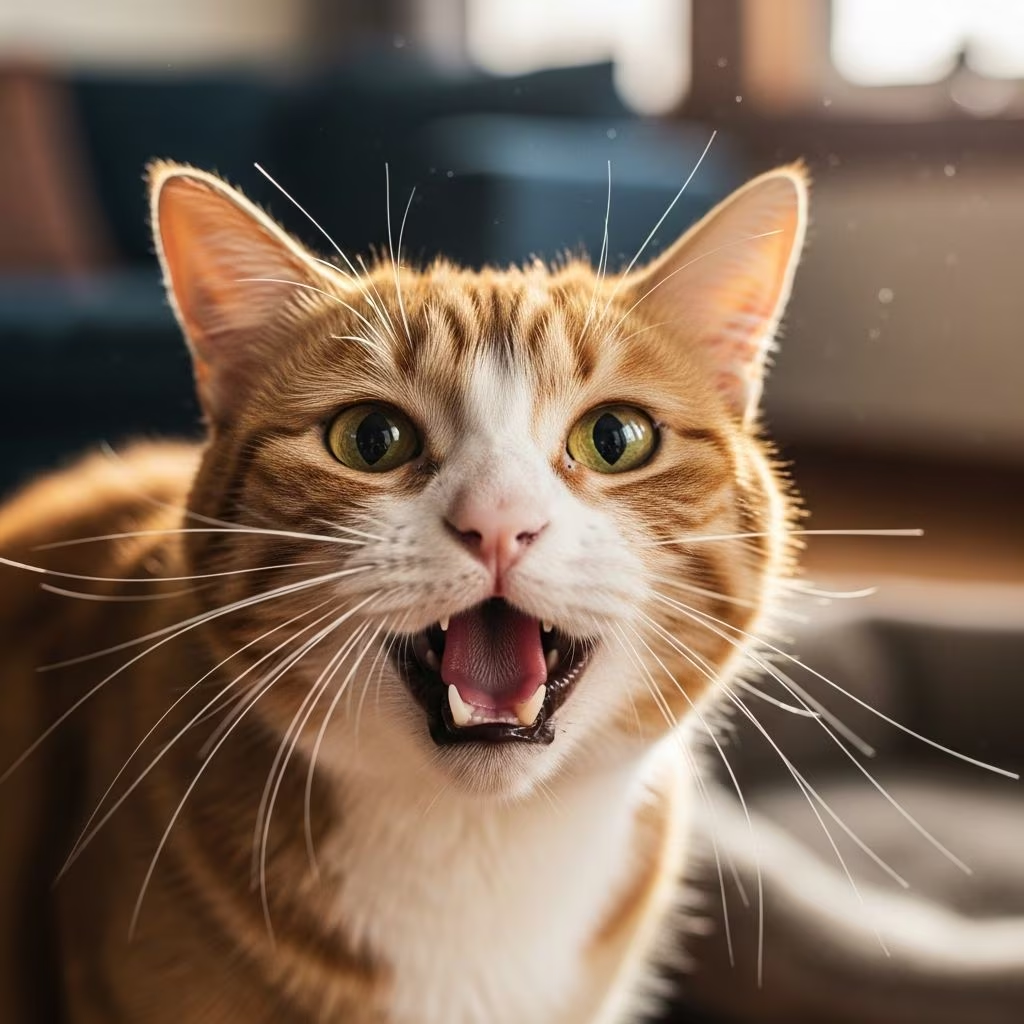
Why Your Senior Cat Meows Loudly: Understanding Excessive Vocalization in Aging Felines
If you’ve noticed your senior cat meowing more frequently or loudly than usual, you’re not alone. Many cat owners experience this common challenge as their feline companions enter their golden years. While some cats are naturally more vocal than others, a sudden increase in meowing—particularly in older cats—often signals an underlying issue that deserves attention and investigation.
Unlike younger cats that might meow to greet you or ask for food, excessive vocalization in senior cats frequently indicates physical discomfort, cognitive changes, or medical conditions requiring veterinary care. Understanding the root causes of your elderly cat’s loud meowing is the first step toward providing appropriate relief and maintaining their quality of life.
Understanding Feline Vocalization Patterns
Cats communicate through various vocalizations, each serving a specific purpose. Meowing is primarily a form of communication directed at humans, while yowling—a more intense, drawn-out vocalization—often indicates distress, territoriality, or urgency. Senior cats may employ these vocalizations differently than their younger counterparts, particularly when experiencing age-related changes.
The frequency and intensity of meowing can vary dramatically among individual cats. Some breeds, such as Siamese and Oriental cats, are naturally more talkative, while others are characteristically quiet. When your typically quiet senior cat suddenly becomes vocal, or your chatty companion becomes excessively noisy, it warrants investigation into potential causes.
Medical Causes of Excessive Meowing in Senior Cats
Hyperthyroidism and Metabolic Disorders
One of the most prevalent medical reasons for excessive meowing in senior cats is hyperthyroidism, a condition where the thyroid gland becomes overactive. This condition triggers increased appetite, weight loss despite increased eating, restlessness, and excessive vocalization. Hyperthyroidism can also lead to high blood pressure and heart disease, making early diagnosis crucial for your cat’s long-term health.
Other metabolic changes associated with aging can similarly affect your cat’s vocalization patterns. Metabolic conditions may alter your cat’s appetite and thirst, leading them to vocalize their needs, particularly during nighttime hours.
Urinary Tract and Kidney Issues
Urinary tract infections and kidney disease represent significant health concerns that commonly manifest through increased vocalization. These conditions cause discomfort and distress, prompting cats to communicate their distress through meowing. Senior cats are particularly vulnerable to kidney disease, which becomes increasingly common with age.
If your cat’s excessive meowing accompanies changes in litter box habits, altered appetite, or changes in grooming behaviors, kidney or urinary issues may be responsible. These require prompt veterinary attention to prevent serious complications.
Dental Pain and Oral Health Issues
Dental disease is frequently overlooked in aging cats but represents a significant source of chronic pain. Senior cats may develop tooth decay, gum disease, and oral infections that cause considerable discomfort. This pain often manifests as increased meowing, particularly during eating or when the mouth is touched.
Arthritis and Chronic Pain
Age-related arthritis and other chronic pain conditions cause senior cats considerable discomfort, particularly during specific activities. Cats experiencing joint pain may meow more frequently when attempting to jump, climb, use the litter tray, or move around their environment. This vocalization represents their attempt to communicate physical distress and discomfort.
Additional Medical Conditions
Various other medical conditions can drive excessive meowing in senior cats. Hypertension, central nervous system disorders, and dental disease all contribute to increased vocalization. Additionally, conditions causing increased thirst, hunger, or confusion prompt cats to vocalize their needs more persistently.
Cognitive Changes in Aging Cats
Cognitive Dysfunction Syndrome (Feline Dementia)
Cognitive dysfunction syndrome, also known as feline dementia, represents one of the most common behavioral changes in senior cats. As cats live longer, more are developing this condition, which causes disorientation, anxiety, and confusion. These cognitive changes frequently result in increased vocalization, particularly during nighttime hours when disorientation intensifies.
Cats experiencing cognitive decline may yowl constantly as a symptom of their confused mental state. The resulting disorientation can trigger anxiety-driven vocalizations as your cat seeks reassurance and reorientation. Your cat may become more vocal as they struggle to understand their surroundings or remember familiar spaces.
Sensory Decline and Its Impact
Hearing loss represents a particularly significant contributor to increased vocalization in senior cats. Cats experiencing deafness may struggle to modulate their own vocalizations, leading to excessively loud meows as they cannot hear themselves properly. This hearing loss can make cats feel insecure and confused, prompting increased attempts to communicate.
Vision loss similarly affects your senior cat’s confidence and security. Cats with failing eyesight may vocalize more frequently as they navigate their environment with reduced visual information. Combined hearing and vision loss can create profound disorientation and anxiety, manifesting as excessive meowing.
Behavioral and Environmental Factors
Stress and Anxiety in Senior Cats
Environmental stressors trigger excessive meowing in cats of all ages, but senior cats may experience heightened anxiety responses. Environmental changes such as moving to a new home, renovations, arrival of new pets or family members, and disruption to daily routines can cause significant stress and increase vocalization.
Separation anxiety becomes more pronounced in aging cats, particularly those experiencing cognitive decline. Your senior cat may vocalize excessively when left alone, seeking reassurance that their primary caregiver remains nearby. This anxiety-driven meowing often intensifies at night when visibility decreases and disorientation peaks.
Territorial Behavior and Reproductive Status
Yowling constantly often signals territorial aggression, a behavior influenced by cognitive decline and neuter status. Interestingly, unspayed senior female cats may still experience heat cycles, and when paired with cognitive decline, the resulting yowling can become excessively dramatic and persistent.
Nighttime Vocalization in Senior Cats
Many cat owners specifically notice their senior cats meowing loudly at night. This phenomenon, sometimes called “feline sundowning,” results from multiple factors unique to nighttime hours. Darkness intensifies disorientation in cats with cognitive decline or vision loss, while the quiet environment makes vocalizations seem louder and more problematic to sleeping owners.
Pain often worsens at night as cats rest and become more aware of their discomfort. Additionally, reduced activity levels during sleep hours can leave senior cats feeling anxious or confused upon waking, triggering increased vocalization. The combination of these factors makes nighttime particularly challenging for senior cats experiencing excessive meowing.
Practical Solutions for Managing Excessive Meowing
Veterinary Evaluation and Medical Management
Your first step should always involve consulting your veterinarian, particularly when your senior cat’s meowing patterns suddenly change or escalate. A comprehensive veterinary examination can identify underlying medical conditions such as hyperthyroidism, hypertension, hyperthyroidism, osteoarthritis, and cognitive dysfunction syndrome.
Routine blood work can diagnose treatable conditions like hyperthyroidism, while imaging studies may reveal arthritis or other structural problems. Once underlying medical issues are identified and treated, many cats experience significant reduction in excessive vocalization. Your veterinarian may recommend medications to manage pain, anxiety, or cognitive dysfunction, substantially improving your cat’s quality of life.
Environmental Modifications
Simple environmental adjustments can significantly comfort your senior cat and reduce anxiety-driven vocalization. A nightlight in your cat’s preferred sleeping area provides reassurance to disoriented cats experiencing vision loss or cognitive decline. This simple addition helps confused cats maintain orientation when they awaken during the night.
Creating a predictable environment with consistent routines provides security for anxious senior cats. Maintain consistent feeding schedules, play sessions, and sleep patterns to reduce uncertainty and anxiety. Minimize environmental changes when possible, and when changes become necessary, introduce them gradually to allow your cat time to adjust.
Enrichment and Mental Stimulation
Environmental enrichment remains beneficial even for senior cats, though adapted for their physical limitations. Provide:
- Interactive toys that challenge your cat mentally without requiring excessive physical exertion
- Window perches for watching birds and outdoor activity, providing mental stimulation without physical demand
- Puzzle feeders to engage natural hunting instincts and provide mental engagement
- Comfortable vertical spaces positioned lower for easy access
- Regular, gentle play sessions appropriate for your cat’s age and mobility level
Mental stimulation helps reduce boredom-related meowing while maintaining cognitive function in aging cats.
Behavioral Modification Techniques
For attention-seeking meows unrelated to medical issues, behavioral modification through consistent reinforcement proves effective. Ignore excessive attention-seeking meows and provide attention and treats only when your cat is quiet, teaching them that meowing doesn’t produce desired results.
Simultaneously reward and reinforce quiet behavior with treats, affection, and positive attention. This positive reinforcement approach takes patience and consistency but gradually teaches your cat to reduce unnecessary vocalization.
Providing Reassurance and Companionship
Senior cats experiencing cognitive decline often need reassurance and reorientation from their owners. When your cat meows, particularly during nighttime hours, patiently offer comfort and gentle reassurance. Your presence helps reorient confused cats and reduces anxiety-driven vocalization.
Additional affection and attention during vulnerable periods—particularly evening and nighttime—can significantly comfort anxious senior cats. Your calm, reassuring presence helps them feel secure in their environment.
When to Seek Professional Help
Contact your veterinarian or a certified animal behaviorist if your cat’s excessive meowing continues despite home-based interventions, particularly when accompanied by other unusual symptoms such as lethargy, aggression, appetite changes, or litter box issues.
Out-of-character meowing or sudden yowling in senior cats should never be ignored, as these changes frequently indicate serious medical or behavioral conditions requiring professional attention. Early intervention can identify treatable conditions and ensure your cat receives appropriate care and support.
Creating a Comfortable Environment for Your Senior Cat
Supporting your aging cat through excessive meowing requires a comprehensive approach addressing both medical and behavioral factors. A comfortable, predictable environment combined with appropriate medical care and compassionate understanding creates the ideal situation for managing your senior cat’s vocalization.
Remember that your senior cat’s increased meowing represents communication of genuine needs or distress. By investigating underlying causes, working with your veterinarian, and implementing appropriate environmental modifications, you can significantly improve your cat’s comfort and quality of life during their golden years.
Quick Reference: Excessive Meowing Causes and Solutions
| Cause | Symptoms | Solution |
|---|---|---|
| Hyperthyroidism | Weight loss, increased appetite, restlessness, excessive vocalization | Veterinary diagnosis via blood work; medication or treatment options |
| Cognitive Dysfunction | Disorientation, confusion, increased nighttime vocalization, anxiety | Nightlights; consistent routines; anti-anxiety medication if prescribed |
| Hearing Loss | Excessively loud meows; no response to noises | Environmental adaptations; increased visual communication; extra reassurance |
| Pain (arthritis, dental disease) | Meowing during movement; difficulty jumping or grooming | Pain management; veterinary treatment; environmental modifications |
| Stress and Anxiety | Increased vocalization; hiding; behavioral changes | Predictable routines; safe spaces; gradual environmental changes |
| Urinary Issues | Excessive meowing; changes in litter box habits | Veterinary examination; appropriate medical treatment |
Frequently Asked Questions About Senior Cat Meowing
Q: Is excessive meowing in senior cats always a sign of a serious problem?
A: While increased meowing in senior cats warrants veterinary evaluation, not all excessive vocalization indicates serious illness. However, sudden changes in meowing patterns should be investigated to rule out medical conditions or behavioral issues requiring attention.
Q: Can cognitive dysfunction syndrome be treated?
A: Your veterinarian can diagnose cognitive dysfunction syndrome and may recommend anti-anxiety medication or other treatments to help your cat cope with cognitive changes. Early intervention often produces better outcomes.
Q: How can I distinguish between normal vocalization and excessive meowing?
A: Sudden increases in meowing frequency or intensity, particularly when accompanied by other behavioral or physical changes, constitute excessive vocalization. Compare your senior cat’s current vocalization to their normal patterns before aging.
Q: Are certain cat breeds more prone to excessive meowing in old age?
A: Naturally vocal breeds like Siamese and Oriental cats may meow more throughout their lives, but medical conditions and cognitive decline affect all breeds similarly as they age.
Q: What’s the relationship between hearing loss and loud meowing in senior cats?
A: Deaf or hard-of-hearing cats cannot monitor their own vocalizations effectively, resulting in excessively loud meows. They may also feel more anxious and insecure, prompting increased attempts to communicate.
Q: Can diet modifications help reduce excessive meowing?
A: While diet alone won’t eliminate excessive meowing, proper nutrition supports overall health and may improve comfort in cats with certain medical conditions. Consult your veterinarian about senior-appropriate diets.
Q: How long does it take to see improvement after addressing underlying causes?
A: Timeline varies depending on the underlying cause and treatment approach. Some medical treatments produce rapid improvement, while behavioral modifications require weeks or months of consistent implementation.
References
- Excessive Cat Meowing Causes & Solutions — PetsCare.com. 2024. https://www.petscare.com/news/post/excessive-cat-meowing-causes-solutions
- Why is Your Elderly Cat Yowling Excessively? — Purina US. 2024. https://www.purina.com/articles/cat/senior-cat/behavior/yowling
- Soothing the Nocturnal Noise: Comforting Old Cats Who Meow at Night — Melbourne Cat Vets. 2024. https://www.melbournecatvets.com.au/post/soothing-the-nocturnal-noise-understanding-and-comforting-old-cats-who-meow-at-night
- Why does my cat meow so much? 7 Causes and solutions — Riverwood Pet Food. 2024. https://www.riverwoodpetfood.com/en/blogs/why-does-my-cat-meow-so-much-7-causes-and-solutions
- Why is my elderly cat yowling? — Petplan. 2024. https://www.petplan.co.uk/cat-insurance/cat-care-and-advice/older-cat-language.html
- Old Cat Meowing Loudly? Here’s Why — Falls Village Vet Hospital. 2024. https://raleighncvet.com/cat-care/old-cat-meowing-loudly-heres-why/
- Why Is My Cat Meowing So Much? Understanding Feline Vocalization and What It Means — Star of Texas Vet. 2024. https://staroftexasvet.com/why-is-my-cat-meowing-so-much-understanding-feline-vocalization-and-what-it-means/



