

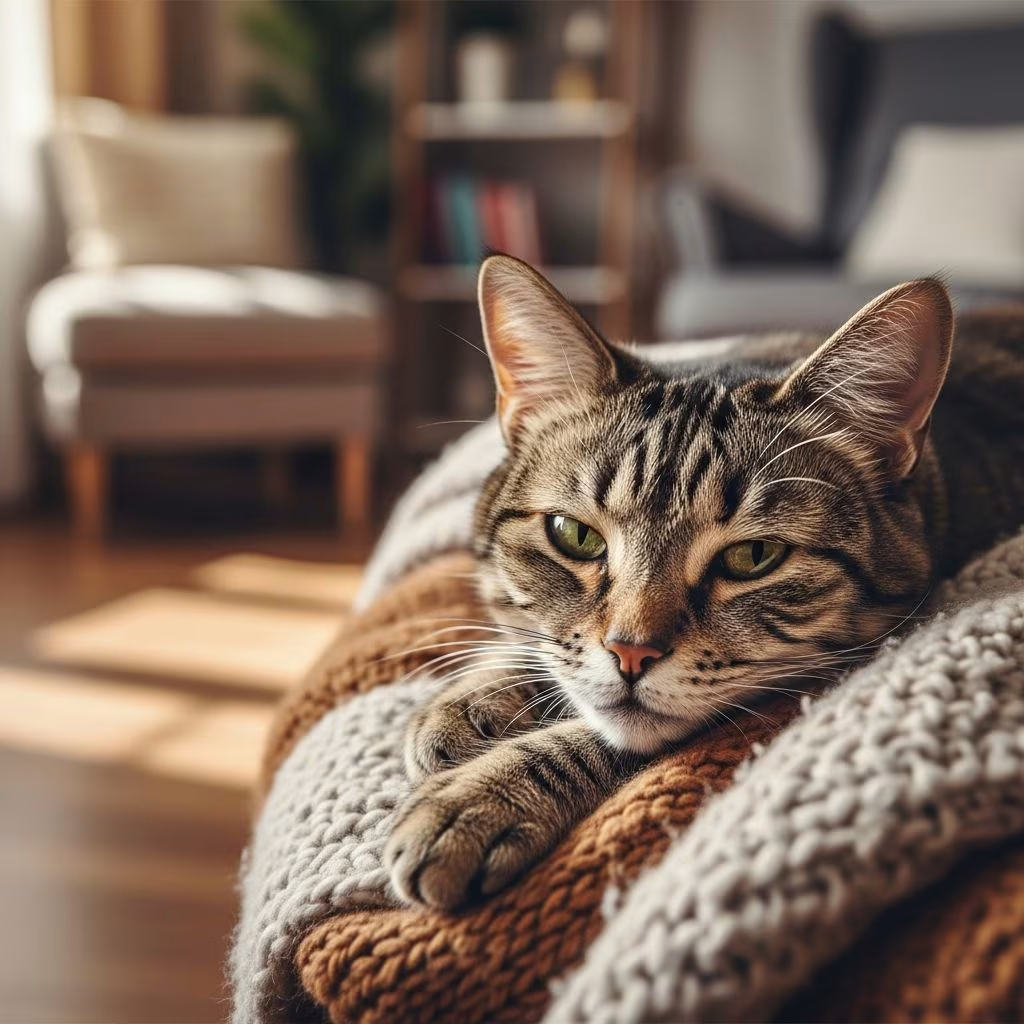
As cats enter their golden years, their care requirements shift significantly. Senior cats require a different approach to health management compared to younger felines, demanding more attention to preventive care, environmental modifications, and nutritional needs. Understanding these changing requirements allows cat owners to provide the best possible support during this important life stage. This comprehensive guide explores the essential elements of senior cat care, from veterinary oversight to home adjustments that promote comfort and longevity.
Prioritizing Preventive Veterinary Care
Regular veterinary examinations form the cornerstone of senior cat health management. Cats age at a much faster rate than humans, making frequent professional check-ups crucial for early detection of age-related conditions. The Feline Veterinary Medical Association recommends that cats between 10 and 15 years old visit their veterinarian every six months, while cats older than 15 should be seen every four months. This increased frequency allows veterinarians to identify subtle changes that may indicate developing health problems before they become serious.
During senior wellness visits, veterinarians conduct thorough examinations that extend beyond basic health checks. These comprehensive assessments include evaluations of weight and body condition, skin and coat quality, oral health, ear and eye function, thyroid gland performance, cardiovascular and respiratory systems, abdominal organs, and joint and muscle integrity. Developing a strong relationship with your veterinarian while your cat is still healthy establishes a baseline for comparison, enabling early detection of health condition changes.
Cats are naturally skilled at concealing signs of illness, making professional monitoring essential. Many senior cats develop one or more age-related conditions that significantly impact quality of life, including kidney disease, gastrointestinal problems, and arthritis. Regular blood work and diagnostic testing become increasingly important components of senior cat healthcare, allowing veterinarians to adjust treatment plans and recommend appropriate interventions before conditions progress.
Creating an Accessible Home Environment
Physical accessibility becomes increasingly important as cats age and experience mobility challenges. Joint pain, decreased muscle mass, and reduced flexibility make it difficult for senior cats to navigate their environment as they once did. Strategic home modifications ensure that aging cats can maintain independence while reducing physical strain and injury risk.
Resource Placement Strategy
Distribute food bowls, water dishes, and litter boxes throughout your home rather than concentrating them in single locations. Multi-story homes should have resources on each floor to minimize the distance senior cats must travel. This approach is particularly important for cats experiencing joint pain or cognitive changes that affect their ability to navigate the household.
Raised food and water bowls reduce the physical strain on cats with degenerative joint disease, allowing them to eat and drink without excessive bending. Similarly, litter boxes with low sides provide easier entry and exit for senior cats with mobility limitations. Consider replacing high-sided boxes with low-profile alternatives, and ensure boxes remain uncovered for unobstructed access.
Vertical Access Solutions
Many cats enjoy elevated perches and high resting spots throughout their lives. As mobility declines, provide alternative access routes through ramps or sturdy steps rather than requiring cats to jump to favorite surfaces. Install low-height perches and beds in warm, quiet areas where cats can rest comfortably without exertion. Placing cozy beds at lower heights encourages safe stretching and climbing without physical strain.
Nutrition and Hydration Management
Senior cats have distinct nutritional requirements that differ from those of younger adults. Age-appropriate food formulations support joint health, aid digestion, and help maintain healthy body weight without unnecessary excess calories. Consult your veterinarian about senior-specific food options that balance nutritional needs with your individual cat’s health status and preferences.
Kidney function naturally declines with age, making increased water intake essential for senior cat health. Cats often struggle with adequate hydration, particularly as they age. Provide multiple water sources throughout the home to encourage consumption without requiring cats to search for water. Some cats respond better to flowing water, making cat water fountains a valuable addition to the home environment. Wet or canned food increases overall moisture intake compared to dry kibble alone.
Feeding frequency should adjust to accommodate aging digestive systems. Rather than serving one or two large meals daily, divide food into three to four smaller portions. This approach reduces digestive burden and allows senior cats to process nutrients more efficiently. Monitor your cat’s eating habits closely and inform your veterinarian of any changes, as appetite alterations can signal underlying health problems.
Dental Health and Grooming Care
Older cats often experience declining grooming ability due to physical and cognitive changes. While cats naturally maintain their coats, senior felines may struggle to groom effectively, leading to matted fur and poor coat condition. Regular brushing prevents matting, reduces stress from professional grooming visits, and provides opportunities to detect skin abnormalities or lumps.
Nail care becomes increasingly important as aging cats lose the ability to maintain their claws effectively. Overgrown nails can curve into paw pads, causing pain and mobility problems. Trim nails at least monthly, or more frequently if needed, to prevent this painful complication. Dental health requires particular attention, as oral disease affects nutrition and overall health. Work with your veterinarian to establish appropriate dental care protocols for your senior cat.
Gentle brushing serves multiple purposes beyond coat maintenance. It allows you to check for bumps, sore spots, or skin conditions that may warrant veterinary attention. Many senior cats appreciate the tactile stimulation and bonding opportunity that grooming provides, contributing to emotional wellbeing alongside physical health benefits.
Monitoring Behavioral and Health Changes
Attentive observation of your cat’s daily behavior provides critical information about their health status. Owners who have cared for their cats throughout life possess valuable knowledge about normal patterns and can more readily recognize deviations. Track eating habits, activity levels, personality changes, litter box usage, and sleep patterns. Even subtle shifts in these areas may indicate emerging health concerns requiring veterinary evaluation.
Never automatically attribute behavioral changes to aging alone. While some changes are age-related, others indicate specific medical conditions requiring treatment. A sudden change in litter box habits might suggest kidney disease, arthritis-related difficulty, or cognitive decline. Increased vocalization could reflect hyperthyroidism, cognitive dysfunction, or discomfort. Bringing concerns to your veterinarian’s attention ensures appropriate diagnosis and intervention.
Environmental Comfort and Mental Stimulation
Senior cats sleep more than younger felines, but they continue requiring environmental enrichment and social interaction. Even with increased rest needs, aging cats benefit from mental stimulation and gentle activity. A stimulating environment keeps their minds engaged and bodies moderately active, supporting overall health and wellbeing.
Provide soft, comfortable bedding in warm, quiet areas where cats can rest undisturbed. Older cats have reduced tolerance for cold and appreciate extra padding and warmth for comfort. Consider heated beds or blankets in resting areas, particularly in cooler months. Maintain a consistent daily routine with regular feeding times, play sessions, and veterinary visits. Predictability reduces stress and helps cats navigate their environment confidently.
Medication Administration and Treatment Adherence
As senior cats develop age-related conditions, medication management becomes an important responsibility. Some cats develop chronic conditions requiring ongoing pharmaceutical management. Establishing consistent medication routines, using pill organizers, and setting reminders ensures your cat receives prescribed treatments as directed. If administering medication proves challenging, discuss alternative formulations or delivery methods with your veterinarian.
Quality of Life Considerations
Partnership with your veterinarian extends beyond diagnosis and treatment to encompass quality of life discussions. As cats progress through their senior years, decisions about diagnostic testing, treatments, and interventions should carefully weigh potential benefits against physical and emotional impacts. These conversations ensure that care decisions align with your values and your cat’s wellbeing.
Pain management represents a critical component of senior cat quality of life. Conditions like arthritis cause chronic discomfort that affects mobility and activity. Modern pain management strategies, including medications and environmental modifications, significantly improve comfort and function. Regular discussions with your veterinarian about pain assessment and management options ensure your cat receives appropriate relief.
Key Care Checklist for Senior Cats
- Schedule veterinary examinations every 4-6 months depending on age and health status
- Provide multiple food, water, and litter box locations throughout the home
- Install ramps or steps to facilitate access to elevated favorite spots
- Use raised food and water bowls to reduce bending strain
- Offer senior-appropriate nutrition formulated for aging cats
- Encourage increased water intake through multiple sources and wet food
- Maintain regular grooming and nail care routines
- Monitor behavioral and health changes closely
- Provide soft, warm bedding in quiet resting areas
- Maintain consistent daily routines and gentle enrichment
- Discuss pain management and quality of life with your veterinarian
Common Senior Cat Health Conditions
| Condition | Common Signs | Care Considerations |
|---|---|---|
| Kidney Disease | Increased thirst, increased urination, weight loss | Increase water intake, specialized diet, regular monitoring |
| Arthritis | Difficulty jumping, stiffness, decreased activity | Pain management, environmental modifications, gentle exercise |
| Dental Disease | Bad breath, difficulty eating, drooling | Regular dental care, soft food options, professional cleaning |
| Hyperthyroidism | Weight loss, increased appetite, hyperactivity | Medication, dietary management, regular monitoring |
| Cognitive Dysfunction | Disorientation, behavior changes, altered sleep patterns | Environmental consistency, enrichment, veterinary guidance |
Frequently Asked Questions About Senior Cat Care
How do I know when my cat is considered senior?
Cats are generally considered senior beginning at age 10, though individual factors influence aging rates. Discuss your cat’s specific needs with your veterinarian to determine appropriate care adjustments for your individual pet.
What diet changes should I make for my senior cat?
Senior cats benefit from specialized diets that support joint health, aid digestion, and maintain healthy weight. Consult your veterinarian about food options appropriate for your cat’s specific health conditions and nutritional needs. Increase moisture intake through wet food and multiple water sources.
How often should my senior cat see the veterinarian?
Cats between 10-15 years old should visit the veterinarian every six months, while cats over 15 should be seen every four months. More frequent visits may be recommended for cats with existing health conditions.
What home modifications are most important for senior cats?
Priority modifications include placing resources on multiple levels, providing ramps or steps for elevated access, using low-sided litter boxes, and offering raised food and water bowls. Create soft, warm resting areas and maintain consistent routines.
How can I help my senior cat stay active?
Provide gentle enrichment through low-impact play, cozy lower perches for stretching, and mental stimulation. Allow your cat to rest frequently while encouraging small bursts of activity throughout the day.
References
- Caring For Mature, Senior and Geriatric Cats — Point Vicente Veterinary Hospital. https://www.pointvicentevet.com/services/cats/senior-cat-care
- A Pet Parent’s Guide to Caring for Old Cats — Modesto Veterinary Hospital. https://www.modestovethospital.com/site/blog/2024/05/15/senior-cat-care
- 10 Ways to Care for Your Senior Cat — Cat Friendly Homes. https://catfriendly.com/10-ways-to-care-for-your-senior-cat/
- Senior Cat Care: How to Care for Your Aging Cat — Bond Vet. https://bondvet.com/blog/senior-cat-care-how-to-care-for-your-aging-cat
- How To Keep Your Senior Cat Healthy — PetMD. https://www.petmd.com/cat/general-health/how-to-keep-your-senior-cat-healthy
- Loving Care for Older Cats — Cornell University College of Veterinary Medicine. https://www.vet.cornell.edu/departments-centers-and-institutes/cornell-feline-health-center/health-information/feline-health-topics/loving-care-older-cats
- 2021 AAFP Senior Care Guidelines — American Association of Feline Practitioners. https://catvets.com/resource/senior-care-guidelines/



