

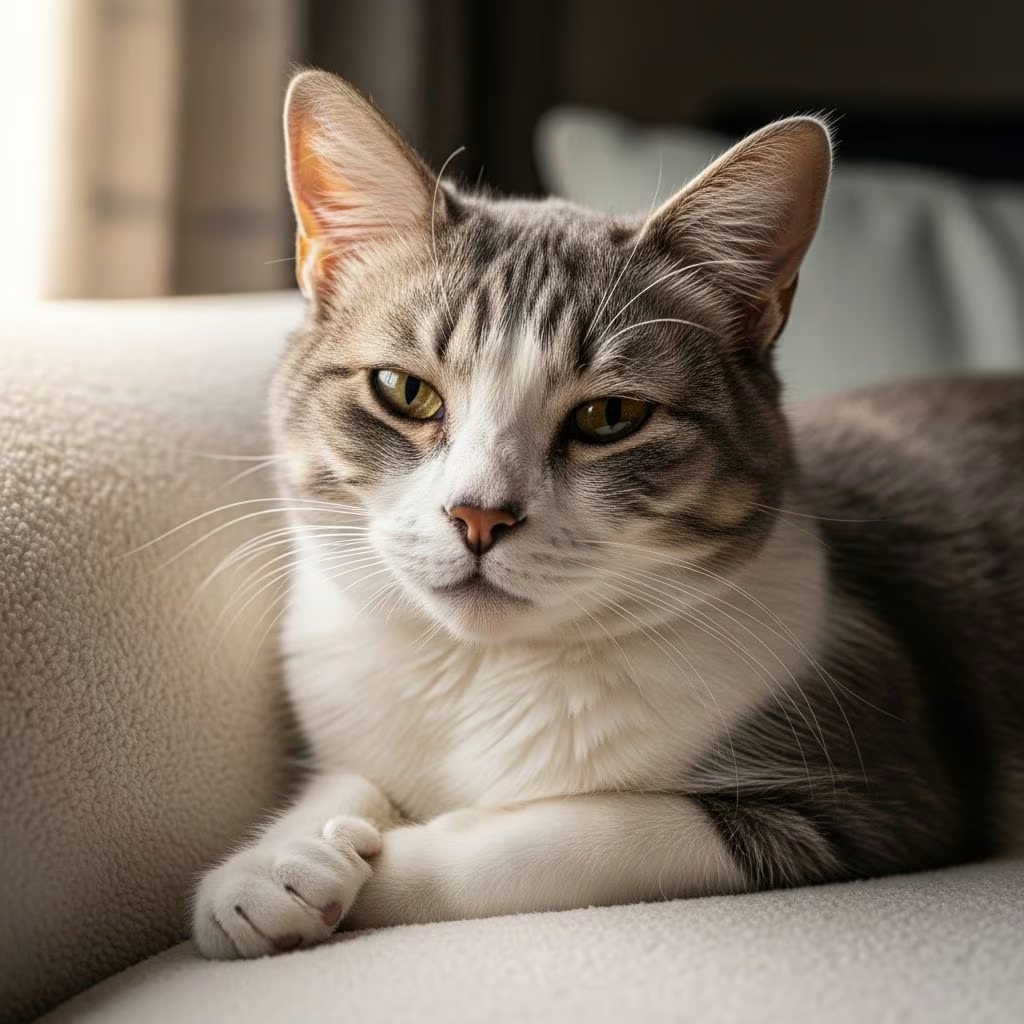
As cats reach their senior years, typically around 11 years and older, they face a range of health issues that can impact their quality of life. With advances in veterinary medicine and nutrition, many cats now live into their late teens or early 20s, making proactive care essential. This guide covers the most prevalent conditions, symptoms to watch for, diagnostic approaches, and management strategies to help your feline friend age gracefully.
Understanding the Aging Process in Cats
Aging brings physiological changes that make senior cats more susceptible to diseases. Their immune systems weaken, organs like the kidneys and heart work less efficiently, and joints stiffen over time. Cats are masters at masking discomfort, so subtle shifts in behavior—such as reduced grooming, hiding more, or changes in appetite—often signal underlying problems. Regular veterinary check-ups every six months are crucial for early intervention, as many conditions progress slowly but respond well to timely treatment.
Key factors influencing senior cat health include genetics, diet, environment, and spay/neuter status. Indoor cats generally live longer, but obesity from reduced activity can exacerbate issues like diabetes. Maintaining a stable routine, providing easy access to food and litter, and monitoring weight are foundational steps in supportive care.
Chronic Kidney Disease: A Leading Concern
Chronic kidney disease (CKD) tops the list of common senior cat ailments, affecting up to 30-50% of cats over 10-15 years old. This progressive condition involves the gradual loss of kidney function, impairing waste filtration, fluid balance, and hormone production. Causes include age-related wear, infections, toxins, or genetics, leading to toxin buildup in the bloodstream.
Symptoms often appear late: increased thirst and urination, weight loss, vomiting, lethargy, poor appetite, and a dull coat. Early stages may be asymptomatic, underscoring the need for routine bloodwork and urinalysis. Diagnosis involves measuring blood creatinine, blood urea nitrogen (BUN), and phosphorus levels, alongside urine specific gravity tests.
Management focuses on slowing progression: specialized low-protein, low-phosphorus diets reduce kidney workload; subcutaneous fluids prevent dehydration; medications like phosphate binders, anti-nausea drugs, and blood pressure controllers address complications. While incurable, many cats live years with quality care.
Hyperthyroidism: The Metabolism Overdrive
Hyperthyroidism, caused by benign thyroid tumors overproducing hormones, strikes 10% of cats over 10 years. It accelerates metabolism, straining the heart and other organs. Weight loss despite ravenous hunger is the hallmark sign, accompanied by hyperactivity, increased thirst/urination, vomiting, and a unkempt coat.
Diagnosis confirms elevated thyroxine (T4) levels via blood tests. Treatment options include radioactive iodine therapy (often curative, one-time), daily oral medications, dietary iodine restriction, or surgery. Monitoring is vital, as untreated cases lead to heart disease or hypertension. Most cats improve dramatically post-treatment, regaining appetite control and energy balance.
Arthritis and Mobility Issues
Up to 80-90% of senior cats suffer from osteoarthritis, an inflammatory joint degeneration causing pain and stiffness. Unlike dogs, cats hide lameness well, showing signs like reluctance to jump, pacing at night, litter box avoidance, or reduced grooming leading to a matted coat.
Veterinary exams use X-rays and joint fluid analysis for confirmation. Multimodal management includes joint supplements (glucosamine/chondroitin), pain relievers like gabapentin, weight control, low-impact environments (ramps, soft bedding), and acupuncture or laser therapy. Environmental modifications—low-sided litter boxes, elevated food bowls—enhance comfort and independence.
Dental Disease: Silent but Painful
Dental issues affect over 50% of cats by age 4, rising sharply in seniors with plaque buildup leading to gingivitis, periodontitis, abscesses, and tooth resorption. Pain causes drooling, pawing at the mouth, difficulty eating, and bad breath; untreated infections spread systemically, risking heart or kidney damage or fatty liver disease from anorexia.
Prevention starts young: daily brushing with enzymatic toothpaste, dental diets, and professional cleanings under anesthesia every 1-2 years. Treatments involve extractions and antibiotics. Home care post-procedure ensures healing, and many cats thrive on softened food afterward.
Diabetes Mellitus: Insulin Challenges
Diabetes, akin to type 2 in humans, emerges in overweight middle-aged to senior cats, with insulin resistance preventing proper glucose regulation. Symptoms mirror CKD: excessive thirst/urination, weight loss, plantigrade stance (walking on hocks), and weakness. Diagnosis uses blood glucose curves and fructosamine tests.
Treatment requires lifelong insulin injections (twice daily), carbohydrate-restricted diets, and weight loss. Up to 30% of cases remit with early aggressive management. Regular monitoring prevents hypoglycemia or ketoacidosis.
Heart Disease and Hypertension
Hypertrophic cardiomyopathy and hypertension often link to hyperthyroidism or CKD, causing organ damage like blindness or seizures. Signs include rapid breathing, lethargy, or sudden collapse. Blood pressure checks and echocardiograms diagnose; ACE inhibitors or amlodipine manage it effectively.
Cognitive Dysfunction and GI Problems
Cognitive dysfunction syndrome mimics dementia: disorientation, altered sleep, house soiling. Antioxidants and puzzle feeders help. Gastrointestinal issues—vomiting, diarrhea, constipation—stem from IBD, cancer, or systemic disease, warranting fecal tests and endoscopy.
Diagnostic Tools and Wellness Screenings
| Condition | Key Tests | Frequency |
|---|---|---|
| CKD | Bloodwork (SDMA, creatinine), Urinalysis | Every 6 months |
| Hyperthyroidism | T4 levels, Full thyroid panel | Annually |
| Arthritis | X-rays, Physical exam | As needed |
| Diabetes | Glucose curve, Fructosamine | Every 6 months |
| Heart/Hypertension | Echo, BP measurement | Annually |
These screenings catch issues early, improving outcomes.
Nutrition and Lifestyle for Longevity
Senior-specific diets address renal, joint, and digestive needs with controlled protein, added omega-3s, and antioxidants. Hydration via fountains or wet food combats CKD. Exercise through play preserves muscle; pheromone diffusers reduce stress.
- Daily Monitoring: Weigh weekly, track litter use, observe gait.
- Home Adjustments: Multiple low-entry boxes, heated beds.
- Supplements: Omega-3s for inflammation, probiotics for gut health.
Frequently Asked Questions
How often should senior cats see the vet?
Every 6 months for comprehensive exams and bloodwork to detect subtle changes.
Can senior cats recover from kidney disease?
CKD is manageable but not curable; diets and fluids extend life significantly.
What are signs my cat has arthritis?
Difficulty jumping, litter avoidance, excessive licking of joints.
Is hyperthyroidism fatal?
Not if treated; iodine therapy often cures it.
How to prevent dental disease?
Brush daily, use dental treats, schedule cleanings.
Conclusion: Proactive Care Matters
By recognizing symptoms early and partnering with your vet, you can mitigate most senior cat health issues. Quality of life hinges on vigilance, tailored nutrition, and love—ensuring your companion enjoys golden years.
References
- 10 Most Common Illnesses in Senior Cats — PetMD. 2023. https://www.petmd.com/cat/general-health/most-common-illnesses-in-senior-cats
- 8 Common Health Problems to Look Out for in Senior Cats — JOII Pet Care. 2023. https://www.joiipetcare.com/blogs/advice/8-common-health-problems-to-look-out-for-in-senior-cats
- Supporting Your Aging Cat: Early Signs of Pain and Illness — Caring Hands Animal Hospital. 2023. https://caringhandsanimal.com/supporting-your-aging-cat-early-signs-of-pain-and-illness/
- Health Problems in Senior Cats — Properties Animal Clinic. 2023. https://propertiesanimalclinic.com/health-problems-in-senior-cats/
- Common Health Problems in Senior Cats — MyGavet. 2023. https://www.mygavet.com/services/cats/blog/common-health-problems-senior-cats



