

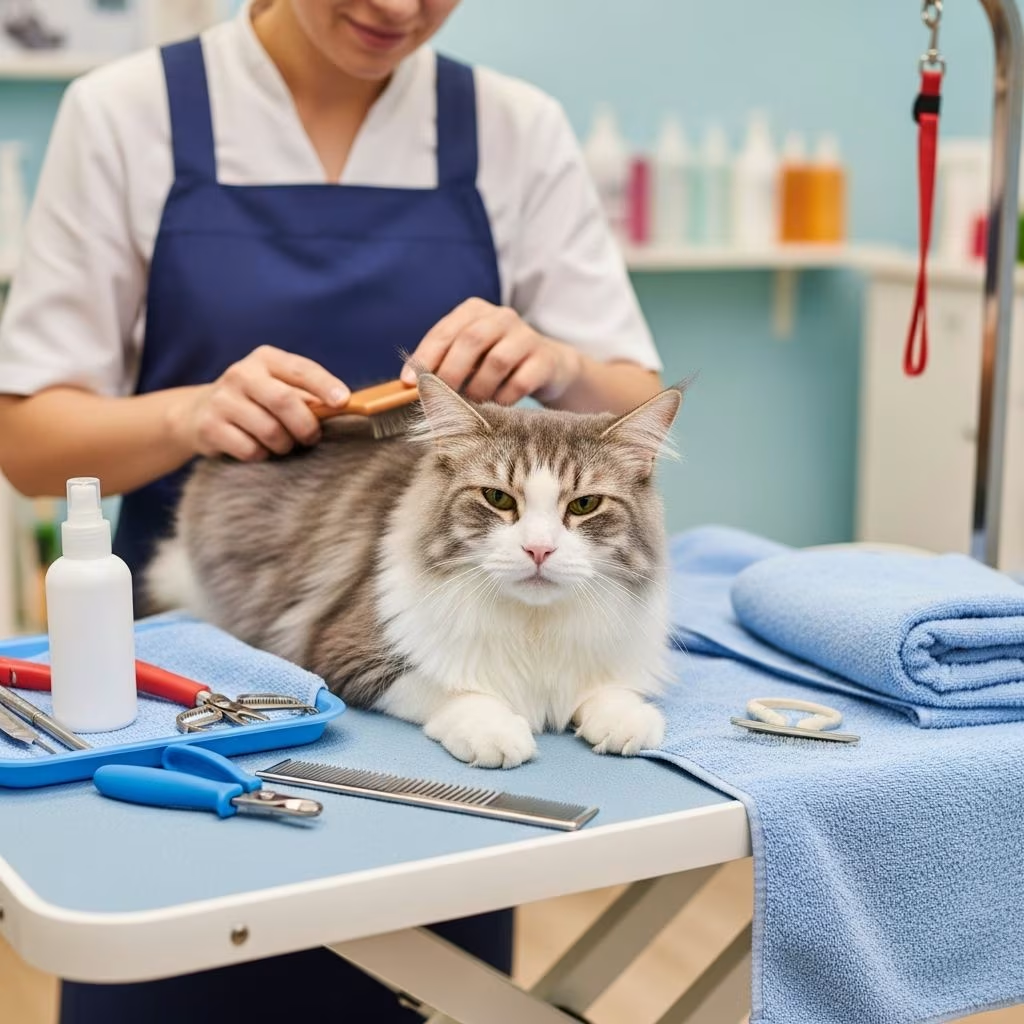
As cats enter their senior years, typically around age 11 and beyond, their grooming needs evolve significantly. Reduced flexibility, arthritis, dental problems, and cognitive decline make self-grooming challenging, leading to matted fur, skin irritation, overgrown nails, and hygiene issues. Regular grooming by owners not only maintains appearance but also promotes health by removing loose hair, stimulating circulation, preventing painful mats, and allowing early detection of lumps or parasites. This comprehensive guide covers why grooming matters, step-by-step techniques for brushing, bathing, nail trimming, and more, ensuring your senior cat remains comfortable and dignified.
Why Grooming Is Important for Senior Cats
Senior cats often struggle with self-maintenance due to physical and cognitive changes. Arthritis limits their ability to twist and reach, while conditions like hyperthyroidism or kidney disease can dull their coat. Without intervention, this results in tangled fur, especially in hard-to-reach areas like the hindquarters and underbelly, increasing risks of infections and discomfort.
Grooming offers multiple benefits:
- Prevents matting: Removes loose undercoat to avoid painful knots that pull on sensitive skin.
- Improves skin health: Brushing stimulates sebaceous glands, distributing natural oils for a lustrous coat and reducing dandruff.
- Enhances circulation: Gentle massage-like strokes boost blood flow, aiding joint health.
- Early health detection: Reveals lumps, bumps, fleas, or wounds hidden under fur.
- Reduces hairballs: Frequent brushing minimizes ingestion of loose fur.
- Maintains hygiene: Keeps the rear end clean, preventing urinary tract infections or soiled fur.
Long-haired breeds like Persians require daily attention, while short-haired cats benefit from weekly sessions. Always consult your vet for personalized frequency, as underlying health issues may dictate adjustments.
How Often Should You Groom Your Senior Cat?
Grooming frequency depends on coat type, health, and lifestyle. Long-haired seniors need daily brushing to combat matting, short-haired ones suffice with 2-3 times weekly. Bathing is less frequent: monthly for longhairs, as-needed for others to avoid drying out skin. Nail trims every 2-4 weeks prevent overgrowth that hampers mobility.
| Coat Type | Brushing Frequency | Bathing Frequency | Nail Trims |
|---|---|---|---|
| Long-haired | Daily | Once a month | Every 2-3 weeks |
| Short-haired | 2-3 times/week | As needed | Every 3-4 weeks |
Monitor for signs like excessive shedding or odor, which signal the need for more frequent care. Shorter, gentler sessions build trust and reduce stress.
Grooming Supplies for Senior Cats
Select tools gentle on aging skin to avoid irritation. Essential items include:
- Rubber brush: Gathers loose fur without pulling.
- Pin brush: Detangles medium to long fur softly.
- Metal comb: Checks for remaining mats; use wide-toothed for seniors.
- Grooming gloves: Ideal for sensitive cats, mimics petting.
- Cat-specific shampoo: pH-balanced to prevent dryness; avoid human products.
- Nail clippers with safety guard: Prevents over-cutting the quick.
- Towels and non-slip mat: For safe bathing.
Opt for quiet, low-vibration tools. Professional groomers recommend starting with soft-bristled options for arthritic cats.
How to Brush Your Senior Cat
Brushing is the cornerstone of senior grooming. Create a calm environment in your cat’s favorite spot, like a soft mat or lap, using slow movements and praise.
Step-by-step brushing guide:
- Prepare: Pet from head to tail to identify sensitive areas like hips or joints.
- Start gently: Use rubber brush to loosen fur, following the grain.
- Detangle: Switch to pin brush for knots, avoiding force.
- Comb through: Metal comb ensures no mats remain, focusing on underbelly, legs, and rear.
- Check skin: Note lumps or redness; vet visit if found.
- Reward: Treats and pets end positively.
Sessions last 5-10 minutes. For mats too tight, seek professional help to avoid injury. Brushing also reduces hairballs by up to 50% with consistency.
Bathing Your Senior Cat
Bathing is rarely needed but essential for heavy soiling or odor. Always brush first to remove loose fur.
Safe bathing steps:
- Setup: Fill tub or bin with warm water covering underbelly; close door to prevent escapes.
- Introduce: Place cat gently, praising throughout.
- Wet fur: Use cup or cloth; keep head dry.
- Lather: Apply cat shampoo, massaging avoiding face.
- Rinse thoroughly: Multiple passes to remove all residue.
- Dry: Towel pat; air-dry in warm room—no hairdryers.
Vets recommend vet consultation for frequency. Waterless shampoos or wipes suit water-averse cats.
Trimming Your Senior Cat’s Nails
Overgrown nails snag on fabrics, causing pain or mobility loss. Trim every 2-4 weeks.
Nail trimming tips:
- Acclimate with touch; use clippers near food.
- Press paw to extend claw; cut only translucent tip, avoiding pink quick.
- If bleeding occurs, apply styptic powder.
- One paw per session if stressed; professionals handle tough cases.
Regular trims prevent ingrown nails, common in inactive seniors.
Caring for Eyes, Ears, and Teeth
Holistic grooming includes sensory care. Wipe eyes daily with damp cloth for tear staining. Clean ears weekly with vet-approved solution, checking for wax or odor. Brush teeth 2-3 times weekly with feline toothpaste to combat periodontal disease, prevalent in 70% of cats over 3 years.
Signs warranting vet: discharge, redness, bad breath.
When to Seek Professional Grooming
For severe matting, sanitary trims, or stress-intolerant cats, pros provide low-stress services like sedation-free handling. Look for cat-specialized groomers experienced with seniors.
Frequently Asked Questions (FAQs)
What happens if I don’t groom my senior cat?
Matting, infections, hairballs, and undetected health issues arise.
How do I know if my cat has arthritis affecting grooming?
Limited reaching, sensitivity when touched.
Can I use baby wipes for cleaning?
No; use pet-safe wipes to avoid irritation.
Is bathing safe for senior cats with health issues?
Consult vet; stress can exacerbate conditions.
How to groom a cat that hates it?
Short sessions, treats, gloves mimicking petting.
References
- How to Groom Your Senior Cat: What You Need to Know — Falls Road Animal Hospital. 2023-02-15. https://www.fallsroad.com/site/tips-resources-blog-baltimore-vet/2023/02/15/how-groom-senior-cat
- Gentle Grooming Tips for Senior Cats — Alex the Cat Groomer. N/A. https://alexthecatgroomer.com/gentle-grooming-tips-for-senior-cats/
- How to Groom Your Senior Cat: What You Need To Know — Mooresville Animal Hospital. 2021-12-30. https://www.mooresvilleanimalhospital.com/site/blog/2021/12/30/how-to-groom-senior-cat
- Loving Care for Older Cats — Cornell University College of Veterinary Medicine. N/A. https://www.vet.cornell.edu/departments-centers-and-institutes/cornell-feline-health-center/health-information/feline-health-topics/loving-care-older-cats
- Senior Cat Grooming: How To Clean An Old Cat’s Matted Fur — English Creek Veterinary Hospital. 2022-09-30. https://www.englishcreekvet.com/site/blog/2022/09/30/senior-cat-grooming



