

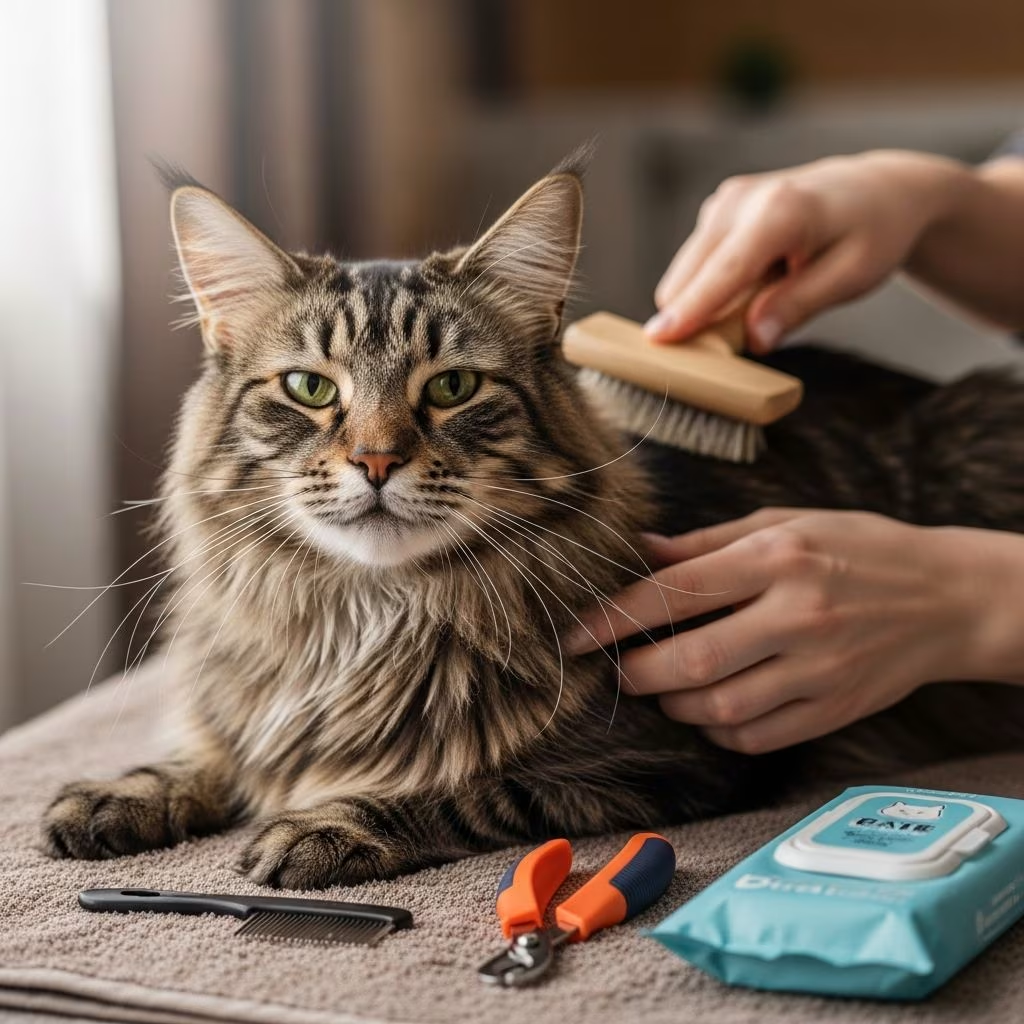
As felines transition into their senior years, their ability to maintain their own coat and hygiene gradually diminishes. This natural decline in self-grooming capability stems from various age-related challenges including decreased flexibility, joint stiffness, and shifting health conditions. Understanding how to properly groom an aging cat becomes essential for maintaining their physical health, dignity, and overall quality of life during their golden years. Regular grooming sessions transform from optional pampering into vital healthcare maintenance that prevents serious complications and allows you to monitor your pet’s wellbeing closely.
Why Aging Cats Need Enhanced Grooming Support
The grooming challenges faced by senior felines differ significantly from those of younger cats. As cats age, their spine becomes less flexible, making it increasingly difficult to reach certain body areas such as the lower back, hindquarters, and beneath their belly. Arthritis and joint pain further compound these mobility issues, causing cats to avoid stretching or twisting movements necessary for thorough self-grooming.
Beyond mobility concerns, health conditions common in senior cats interfere with grooming ability. Dental problems may cause discomfort during licking, while cognitive changes associated with aging can reduce a cat’s motivation or awareness regarding coat maintenance. Additionally, changes in skin elasticity mean that matted fur becomes increasingly painful for senior cats, as their skin has less cushioning and tolerance for tugging and pulling.
The consequences of inadequate grooming extend beyond appearance. Matted and tangled fur creates an ideal environment for parasites and bacteria, potentially leading to skin infections. Accumulated loose hair contributes to hairball formation, which can cause digestive issues. Poor coat condition also affects thermoregulation, making it harder for senior cats to maintain appropriate body temperature. Regular grooming intervention directly addresses these health risks while providing opportunities to detect lumps, bumps, skin abnormalities, and other concerning changes early.
Establishing a Grooming Routine That Works for Your Senior Cat
Successful grooming with an aging cat begins with creating an environment that prioritizes comfort and minimizes stress. Unlike younger, more energetic cats, seniors often have lower tolerance for prolonged handling and may experience anxiety during grooming sessions. Selecting an appropriate location sets the foundation for positive interactions.
Creating the Ideal Grooming Environment
Choose a quiet, familiar space where your cat already feels relaxed and secure. A soft mat or towel placed on a flat surface provides comfortable support for aging joints. If your senior cat enjoys spending time in a particular chair or on your lap, this familiar spot becomes an excellent grooming location, as it reduces stress and allows your cat to remain in their preferred resting position. Dim lighting and minimal household noise help prevent sensory overload, particularly important for cats experiencing age-related hearing or vision changes.
Temperature control matters significantly for senior cats with diminished ability to regulate body heat. Ensure the grooming area remains comfortably warm, and always keep a soft blanket nearby. This simple measure demonstrates attentiveness to your cat’s physical comfort and encourages cooperation during grooming sessions.
Timing and Session Length Strategies
Rather than attempting extended grooming marathons, divide the routine into multiple shorter sessions spread throughout the week. Senior cats respond better to frequent, gentle interactions than to infrequent, intensive grooming efforts. If your cat shows signs of fatigue, irritation, or discomfort, pause immediately and resume the next day. Building positive associations with grooming prevents resistance and anxiety in future sessions.
Observe your cat’s natural activity patterns and schedule grooming when they appear most relaxed and alert. Many senior cats are most amenable to handling during quiet evening hours when they naturally settle down for rest. Starting with gentle stroking and gradually transitioning to grooming tools helps your cat acclimate to the process and understand that grooming time is a calm, rewarding activity rather than something to fear.
Brushing Techniques for Maintaining a Healthy Coat
Brushing forms the foundation of any senior cat grooming regimen, directly preventing matting while promoting skin health through gentle stimulation of circulation and sebaceous gland function. The specific brushing frequency and tools depend on your cat’s coat length and individual needs.
Frequency Guidelines Based on Coat Type
Long-haired senior cats require daily brushing to prevent knots and mats from forming. Medium-length coats benefit from several brushing sessions per week, while short-haired seniors typically need attention only one to two times weekly. However, these represent baseline recommendations—individual cats may require more frequent grooming depending on coat density, shedding patterns, and grooming capability. Consult your veterinarian to determine the optimal frequency for your specific cat.
Essential Grooming Tools and Their Purposes
Assembling the right toolkit ensures effective grooming while minimizing discomfort. Begin with a rubber brush designed to collect loose fur without pulling on the skin. This gentle approach works particularly well on sensitive senior skin and often feels pleasant to cats. Progress to a pin brush for detangling, which effectively addresses minor knots before they develop into painful mats. Finally, employ a metal comb to work through any remaining tangles and check for mats your other tools may have missed. Avoid harsh de-matting tools unless handled by professional groomers, as these can scratch or injure fragile aging skin.
Select brushes with soft bristles rather than stiff wires, reducing irritation and discomfort during grooming. Some cats prefer grooming gloves that provide a gentle massage-like sensation while removing loose hair. Experimenting with different tools helps identify what your particular cat finds most comfortable and tolerable.
Proper Brushing Technique and Areas Requiring Special Attention
Begin each brushing session by petting your cat from head to tail in the direction of hair growth, assessing their comfort level and identifying any sensitive areas requiring extra care. This initial assessment prevents accidentally irritating known problem spots during the formal brushing process.
Pay particular attention to the hips, underbelly, and hind leg areas, as these regions often become sensitive for senior cats and are commonly where mats develop. These spots also tend to be areas cats struggle to reach independently, making them prioritized grooming zones. Approach these sensitive areas with exceptional gentleness, using light pressure and short strokes rather than aggressive brushing motions.
Use a systematic pattern, working methodically through the coat rather than randomly brushing different sections. This organized approach ensures no areas are overlooked and prevents your cat from becoming confused about which parts of their body will receive attention next. Consistent technique builds predictability, helping senior cats develop trust in the grooming process.
Bathing Your Senior Cat: Preparation and Execution
While many cats dislike water, bathing sometimes becomes necessary for senior felines, particularly those unable to groom themselves adequately or cats with certain skin conditions. Proper preparation and gentle technique make the experience less stressful for both cat and owner.
Pre-Bathing Preparation
Always brush your cat thoroughly before bathing, removing all loose hair, debris, and mats or tangles. Attempting to bathe a matted cat causes discomfort as water tightens knots and mats become heavier and more painful when wet. Thorough pre-bathing brushing also prevents your drain from clogging with loose fur and reduces the overall bathing time, minimizing stress for your senior cat.
Gather all necessary supplies before bringing your cat to the bathing area. This includes cat-specific shampoo (never use human products, which can irritate feline skin), towels, grooming tools if needed during bathing, and treats for positive reinforcement. Having everything within arm’s reach prevents leaving your cat unattended in the tub while searching for supplies.
Water Temperature and Tub Preparation
Fill your bathing vessel—whether a large plastic bin or bathtub—with warm (not hot) water reaching only to your cat’s underbelly. Excessively deep water frightens cats and increases drowning risk. Test water temperature with your elbow or a thermometer to ensure it feels comfortably warm rather than hot. Water that’s too cold shocks the system, while overly hot water can burn sensitive senior skin and cause distress.
Bathing Steps for Maximum Comfort
Gently place your cat into the prepared tub while speaking softly and offering reassurance through petting. Your calm demeanor directly influences your cat’s stress level, so maintain a soothing tone throughout the process. Carefully wet your cat’s fur using a cup or wet cloth, keeping the head and face completely dry to prevent irritation to eyes, ears, and nose.
Apply cat-safe shampoo to the wet fur, avoiding the head and facial area entirely. Work the shampoo into a lather using gentle massaging motions. Rinse thoroughly using a cup or detachable showerhead, ensuring complete soap removal through multiple rinses. Soap residue causes skin irritation and discomfort, so this thorough rinsing step is non-negotiable.
Wrap your cat immediately in a clean, dry towel and pat gently dry rather than rubbing. Never use a hairdryer on your senior cat, as the heat can burn their delicate skin and the noise often causes extreme anxiety. Keep your freshly bathed cat in a warm area until completely dry, preventing chilling and potential illness.
Bathing Frequency Recommendations
Consult your veterinarian regarding appropriate bathing frequency for your individual cat, as needs vary based on coat type, health status, and lifestyle. As a general guideline, long-haired senior cats benefit from monthly baths to maintain cleanliness, while short-haired seniors typically require bathing only as needed to prevent odors and infections. Many senior cats manage adequately without regular baths, instead relying on increased brushing to maintain coat health.
Nail Care and Other Essential Grooming Tasks
Senior cat grooming extends beyond brushing and bathing to encompass critical maintenance of nails, which grow continuously throughout a cat’s life. Overgrown nails cause mobility problems, interfere with walking comfort, and potentially scratch delicate aging skin as cats unconsciously scratch itchy areas.
Safe Nail Trimming Techniques
Use cat-specific nail trimmers with safety guards designed to prevent cutting too deeply. Approach each nail from the side rather than from above, providing better visibility and control. Gently squeeze your cat’s paws to extend individual claws, then carefully trim only the clear or slightly colored portion of the nail. Avoid cutting into the quick—the inner portion containing blood vessels and nerves—which causes pain and bleeding.
If your cat struggles with nail trimming or you feel uncertain about proper technique, professional groomers or veterinary staff can handle this task safely. Some seniors tolerate nail trimming better when positive associations are built through treats and praise throughout the process. Keep treats nearby to reward cooperation and gradually build your cat’s tolerance.
Dental Care Considerations
While not strictly grooming, dental health profoundly impacts a senior cat’s ability to groom and eat comfortably. Dental disease causes pain during mouth movement, discouraging thorough face and whisker grooming. Regular dental checkups and professional cleanings when recommended by your veterinarian support overall grooming ability and general health.
Monitoring Skin and Coat Health
During grooming sessions, carefully inspect your cat’s entire body for changes warranting veterinary attention. Look for lumps, bumps, or sensitive-to-touch spots on limbs and joints, which may indicate arthritis, cysts, or other health concerns. Check for flaky skin, unusual hair loss patterns, or changes in coat texture that might signal allergies, parasites, or underlying medical conditions. Early detection through regular grooming-related inspections often leads to more successful treatment of emerging health issues.
Building Trust and Managing Grooming Challenges
Senior cats often become more sensitive to touch and sound as they age, making the grooming approach particularly important. Establishing trust transforms grooming from a tolerated necessity into an activity your cat may actually enjoy.
Creating Positive Associations
Approach grooming sessions with patience and understanding, recognizing that your cat’s resistance likely stems from discomfort or anxiety rather than simple stubbornness. Use a soft, calm voice throughout grooming, avoiding sudden loud noises that startle sensitive ears. Move slowly and predictably, allowing your cat to understand what to expect at each stage of the process.
Incorporate treats and praise liberally, rewarding cooperation and gradually extending the duration of grooming sessions as your cat’s comfort increases. Some cats respond well to grooming accompanied by their favorite foods placed nearby as a distraction. Finding what motivates your particular cat—whether treats, praise, or simply proximity to you—personalizes the grooming experience and increases willingness to participate.
Handling Senior Cats With Joint Sensitivity
Support your cat’s body properly during grooming to prevent strain on arthritic joints and aging muscles. Avoid lifting or twisting your cat into uncomfortable positions; instead, groom them in their favorite resting spots or on your lap where they feel secure. Use a soft towel placed on a table or lap to provide comfortable support. Gentle handling that acknowledges joint sensitivity demonstrates care and prevents pain that might otherwise create negative associations with grooming.
When to Seek Professional Grooming Help
Some senior cats require services beyond what home grooming can provide, particularly when severe matting develops or when your cat’s behavior makes safe home grooming impossible. Professional cat groomers trained in handling seniors offer services including mat removal, sanitary trims, and claw clipping in stress-minimized environments. These professionals possess specialized knowledge and equipment for managing anxious or aggressive cats while maintaining their dignity and physical safety. Investing in professional grooming when needed protects your cat’s wellbeing and your own safety.
FAQ: Common Senior Cat Grooming Questions
Q: How often should I brush my senior cat?
A: Long-haired senior cats need daily brushing, medium-coat cats benefit from several sessions weekly, and short-haired seniors typically need brushing one to two times weekly. Individual needs vary, so consult your veterinarian for personalized recommendations.
Q: What should I do if my cat has severe mats?
A: Professional groomers have specialized tools and expertise for safe mat removal without damaging underlying skin. Attempting to remove severe mats yourself risks injuring your cat’s delicate aging skin.
Q: Is bathing necessary for senior cats?
A: Regular bathing is not necessary for most healthy senior cats, though long-haired cats may benefit from monthly baths and short-haired cats from occasional bathing as needed. Your veterinarian can advise whether your particular cat needs regular baths.
Q: How do I make grooming less stressful for my anxious senior cat?
A: Use shorter, more frequent sessions, maintain a calm environment, speak softly, move predictably, incorporate treats and praise, and consider professional grooming for cats requiring services beyond home care.
Q: What signs indicate grooming needs to be stopped immediately?
A: Stop grooming if your cat shows signs of pain, extreme stress, or fatigue. A sudden change in grooming tolerance or appearance may also signal health problems requiring veterinary evaluation.
The Health Benefits of Consistent Senior Cat Grooming
Beyond maintaining appearance, consistent grooming provides measurable health benefits directly supporting your senior cat’s quality of life. Regular brushing removes dead hair that would otherwise form hairballs, reducing digestive issues. Grooming stimulates circulation and activates sebaceous glands, returning natural luster to the coat and supporting healthy skin function. The physical contact involved in grooming provides gentle exercise that maintains mobility and mental stimulation through positive human interaction.
Grooming sessions create regular opportunities to assess your cat’s body condition, identify health changes early, and maintain the physical contact that strengthens your bond with your aging companion. For senior cats often experiencing reduced activity and social engagement, grooming time represents valuable quality interaction with their primary caregiver. This consistent attention to physical care translates into improved overall wellbeing and supports your cat’s dignity and comfort during their senior years.
References
- How to Groom Your Senior Cat: What You Need to Know — Falls Road Animal Hospital. 2023-02-15. https://www.fallsroad.com/site/tips-resources-blog-baltimore-vet/2023/02/15/how-groom-senior-cat
- Gentle Grooming Tips for Senior Cats — Alex the Cat Groomer. https://alexthecatgroomer.com/gentle-grooming-tips-for-senior-cats/
- Senior Cat Grooming: How To Clean An Old Cat’s Matted Fur — English Creek Veterinary Clinic. 2022-09-30. https://www.englishcreekvet.com/site/blog/2022/09/30/senior-cat-grooming
- Matted Fur and More: Grooming Your Senior Cat — PetMD. https://www.petmd.com/cat/grooming/senior-cat-grooming-tips
- Grooming and Bathing Older Cats — Purina US. https://www.purina.com/articles/cat/senior-cat/care/grooming
- Loving Care for Older Cats — Cornell University College of Veterinary Medicine. https://www.vet.cornell.edu/departments-centers-and-institutes/cornell-feline-health-center/health-information/feline-health-topics/loving-care-older-cats



