

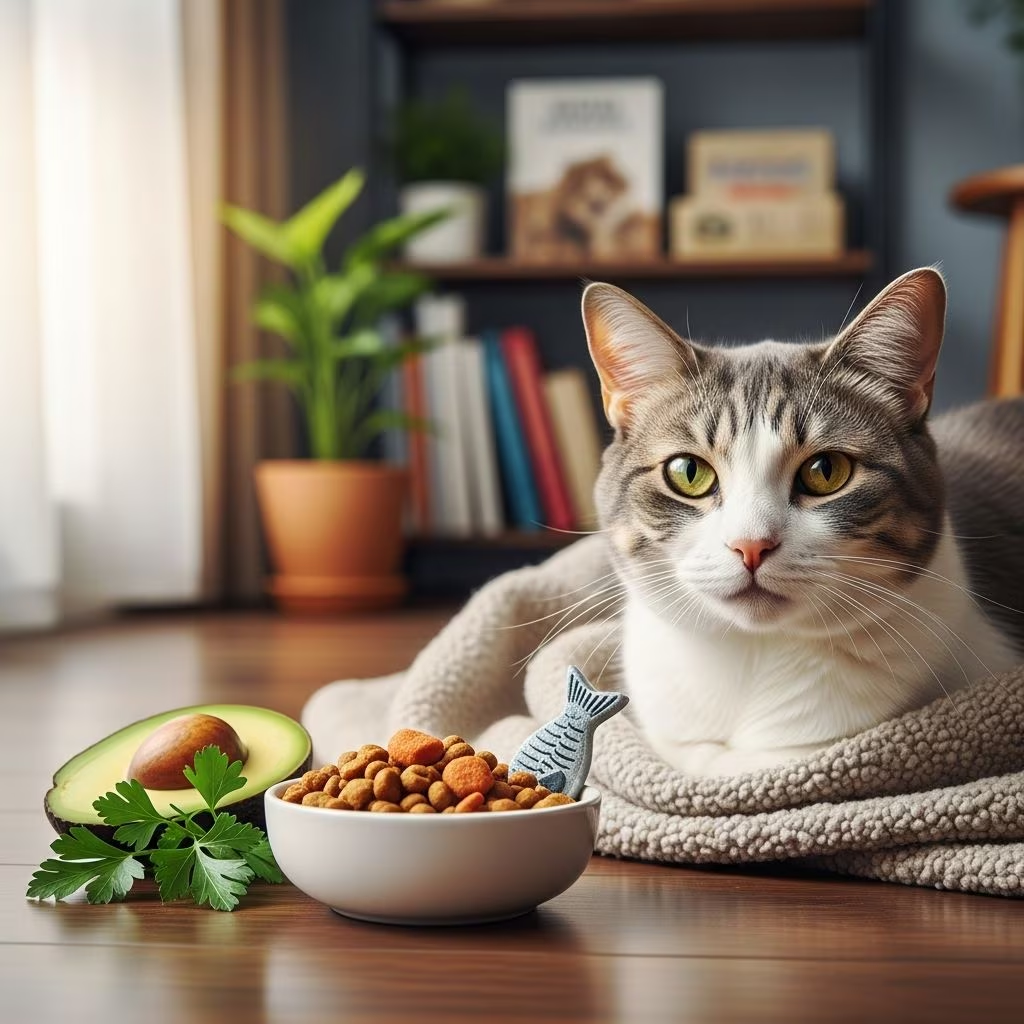
As cats reach their golden years, typically starting around 7 to 11 years old, their nutritional demands shift dramatically. Slower metabolism, declining muscle mass, weakened immunity, and organ vulnerabilities like kidneys necessitate a specialized diet. This guide explores vital nutrients, optimal food selections, feeding techniques, and health monitoring to ensure your senior cat thrives.
Age-Related Changes Impacting Nutrition
Older cats experience reduced lean body mass, lower energy requirements, and heightened risks for conditions such as chronic kidney disease, arthritis, hyperthyroidism, and dental decay. Metabolism drops by up to 25%, making calorie control essential to prevent obesity while sustaining vitality. Digestive efficiency wanes, absorption of nutrients diminishes, and thirst response weakens, elevating dehydration risks.
Recognizing these shifts allows pet owners to adapt diets proactively. Veterinary assessments, including bloodwork, help customize plans based on individual health profiles.
Critical Nutrients for Aging Felines
A well-rounded senior diet prioritizes bioavailable ingredients addressing specific age-related needs. Below are the cornerstone nutrients:
- High-Quality Protein: Essential for preserving muscle mass and supporting immune and organ functions. Aim for 30-45% dry matter from digestible animal sources like chicken, turkey, or fish to counteract sarcopenia without overburdening kidneys.
- Omega-3 and Omega-6 Fatty Acids: These combat inflammation, lubricate joints, and foster skin/coat health. Derived from fish oil or flaxseed, they mitigate arthritis symptoms common in seniors.
- Digestive Fiber: Promotes regular bowel movements, curbs constipation, and aids weight management. Beet pulp or psyllium sources enhance gut motility and nutrient uptake.
- Antioxidants and Vitamins: Vitamins E, C, A, B-complex, and selenium neutralize free radicals, bolstering immunity, cognition, and cellular repair. They counter oxidative stress accelerating aging.
- Controlled Phosphorus and Sodium: Low levels protect kidneys; balanced calcium-phosphorus ratios sustain bones.
- L-Carnitine: Aids fat metabolism and heart/muscle maintenance.
These elements collectively fortify against age-onset decline, promoting longevity[10].
Selecting Premium Senior Cat Foods
Opt for AAFCO-labeled senior formulas vetted by vets. Key criteria include:
| Feature | Benefit | Examples |
|---|---|---|
| High Protein (animal-based) | Muscle preservation | Chicken, fish first ingredients |
| Moderate Calories/Fat | Weight control | Adjustable for thin/obese cats |
| Enhanced Palatability | Encourages eating | Yeast extracts, probiotics |
| Joint/Kidney Support | Targeted health | Omega-3s, low phosphorus |
Popular options: Hill’s Science Diet Senior (antioxidant-rich), Royal Canin Aging 12+ (joint-focused), Purina Pro Plan Senior (vitality blend), Blue Buffalo Healthy Aging (natural ingredients). Mix wet and dry for hydration and dental benefits.
Food Types: Wet vs. Dry vs. Homemade
Wet Foods: Ideal for hydration (75-80% moisture), kidney health, and appetite stimulation. Favorites include Hill’s Seared Tuna, Purina Pro Plan Salmon Entree.
Dry Kibble: Supports teeth via crunchiness but lower moisture; moisten if needed.
Homemade/Supplements: Risky without vet guidance; use sparingly with commercial bases. Low-cal treats like green beans, berries, or Inaba Churu suit snacks (<4 cal/piece). Avoid table scraps high in fat/sodium.
Effective Feeding Strategies
Implement these practices for optimal results:
- Calorie Adjustment: Reduce by 20-25% for most; increase for underweight cats. Feed 20-30 kcal/lb body weight daily, split into 4-6 meals.
- Frequent Small Portions: Matches diminished stomach capacity and sustains energy.
- Hydration Boost: Multiple water sources, fountains, or wet food primacy. Add broth to kibble.
- Slow Transitions: Over 7-10 days (25% new food daily) to avert GI upset.
- Weight Monitoring: Monthly weigh-ins; ideal BCS 4-5/9 (ribs palpable, waist visible).
Common Health Concerns and Dietary Tweaks
Kidney Disease
Low-phosphorus, high-quality protein diets ease renal load. Wet foods dilute urine.
Arthritis and Mobility
Omega-3 enriched formulas reduce joint inflammation.
Obesity or Underweight
Low-fat for plump cats; calorie-dense for skinny ones.
Dental Issues
Soft wet foods or dental kibble; routine cleanings.
Annual senior wellness exams guide prescription diets if needed.
FAQs on Senior Cat Nutrition
What age is a senior cat?
Generally 7-10 years; ‘super senior’ 15+.
Can senior cats eat kitten food?
No; higher calories promote obesity. Stick to senior formulas.
How much water should a senior cat drink?
At least 45ml/kg daily; monitor for CKD signs.
Are grain-free diets best?
Not necessarily; focus on complete nutrition over trends.
When to see a vet for diet changes?
Any weight flux, appetite loss, or health symptoms.
Long-Term Benefits of Proper Nutrition
Dedicated senior diets extend lifespan, enhance mobility, sharpen cognition, and elevate life quality. Studies affirm high-protein feeding preserves physique, while antioxidants fortify immunity[10]. Pair with play, grooming, and vet care for holistic wellness.
References
- Best Nutrition for Senior Cats: A Complete Guide for Healthy Aging — Parker Animal Care. 2023. https://www.parkeranimalcare.com/what-is-the-best-nutrition-for-senior-cats/
- The Ultimate Guide to Senior Cat Nutrition: Foods to Feed and Avoid — Haw Creek Animal Hospital. 2023. https://www.hawcreekanimalhospital.com/senior-cat-nutrition-101/
- Senior Cat Nutrition: A Nutritional Guide for Aging Cats — PetMD. 2024-10-15. https://www.petmd.com/cat/nutrition/senior-cat-nutrition
- Best Food for Senior Cats: Nutritional Guide for Aging Cats — Rea Road Animal Hospital. 2023. https://www.rearoadanimalhospital.com/what-are-the-best-foods-for-senior-cats/
- Feeding Mature, Senior, and Geriatric Cats — VCA Animal Hospitals. 2024. https://vcahospitals.com/know-your-pet/feeding-mature-senior-and-geriatric-cats
- Nutritional Needs Food for Senior & Aging Cats — Hill’s Pet. 2024. https://www.hillspet.com/cat-care/nutrition-feeding/senior-cat-nutritional-needs



