

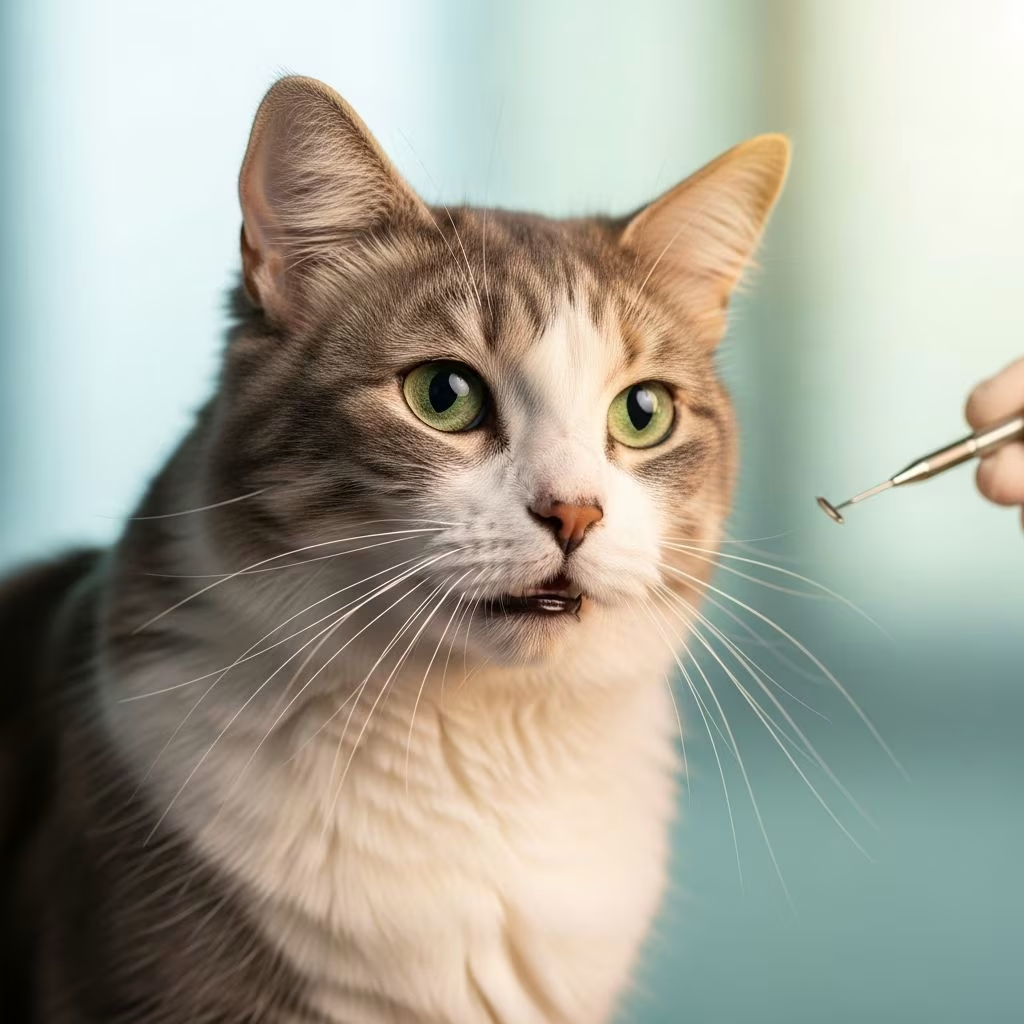
As cats enter their senior years, typically around age 11 and beyond, maintaining robust dental health becomes crucial for their comfort and longevity. Dental problems affect up to 70% of cats over this age, leading to pain, eating difficulties, and potential systemic issues if untreated. This guide outlines practical steps for owners to support their older felines’ oral hygiene effectively.
Understanding Age-Related Oral Changes in Cats
Older cats experience progressive dental deterioration due to years of plaque accumulation and natural wear. Plaque, a biofilm of bacteria and food particles, hardens into tartar within days, irritating gums and fostering inflammation. In seniors, this escalates to chronic conditions that compromise quality of life.
Key changes include gum recession, exposing tooth roots to infection, and reduced saliva production, which normally rinses away debris. These factors heighten vulnerability to bacterial spread via the bloodstream, impacting organs like the heart and kidneys. Early vigilance allows intervention before irreversible damage occurs.
Spotting Early Warning Signs of Dental Distress
Many senior cats mask discomfort, making owner observation vital. Monitor for these indicators:
- Persistent halitosis: Foul breath signals bacterial overgrowth.
- Gum inflammation: Redness, swelling, or bleeding during play or eating.
- Behavioral shifts: Drooling, pawing at the mouth, or reluctance to chew hard food.
- Visible buildup: Yellow-brown tartar on teeth, especially outer surfaces.
- Appetite decline: Weight loss from painful mastication.
- Excessive licking: Attempts to soothe irritated areas.
Regular weekly checks, lifting lips gently, help detect issues promptly. If noticed, consult a veterinarian immediately to avert progression.
Building a Daily Home Dental Care Routine
Consistent at-home practices form the foundation of preventive care. Start young if possible, but seniors adapt with patience and positive reinforcement.
Mastering the Art of Cat Tooth Brushing
Brushing remains the most effective method, removing plaque before it calcifies. Use a soft, cat-specific toothbrush or finger cot and enzymatic toothpaste flavored for felines—never human varieties, which contain toxic xylitol.
- Acclimate gradually: Apply a pea-sized toothpaste dab to your finger for licking sessions over a week.
- Gently restrain: Hold the cat securely but calmly, tilting the head slightly.
- Target outer surfaces: Brush upper molars and canines in circular motions for 30 seconds per side.
- Reward lavishly: Treats or play post-session build association.
- Aim daily: Even partial sessions yield benefits.
Progress to inner surfaces as tolerance grows. Consistency trumps perfection.
Supplementary Tools and Products
Enhance brushing with vet-approved aids:
- Oral gels and rinses: Chlorhexidine-based products applied weekly inhibit bacteria.
- Dental chews: Textured treats mechanically scrape tartar; choose VOHC-approved for efficacy.
- Water additives: Enzyme formulas reduce plaque in drinking water without altering taste.
| Product Type | Frequency | Benefits | Application Tips |
|---|---|---|---|
| Toothbrush + Paste | Daily | Removes 70-80% plaque | Circular motions, outer teeth first |
| Dental Chews | 2-3x/week | Mechanical cleaning | Supervise to prevent gulping |
| Oral Rinse/Gel | Weekly | Bacterial control | Apply via syringe inside cheeks |
| Water Additives | Daily | Passive prevention | Mix per instructions |
Optimizing Diet for Dental Resilience
Diet influences oral health profoundly. Transition seniors to supportive nutrition:
- Kibble selection: Large, crunchy dental formulas abrade tartar as cats crunch.
- Wet food benefits: Softer textures ease chewing for painful mouths; some contain plaque-fighting enzymes.
- Hydration hacks: Soak dry food in warm, low-sodium broth to soften and entice picky eaters.
- Avoid sugars: Human treats exacerbate plaque.
Consult vets for prescription dental diets, which bind minerals to prevent tartar adhesion. Gradual diet shifts prevent digestive upset.
The Imperative of Professional Veterinary Interventions
Home efforts complement, but not replace, annual vet exams. Under anesthesia, professionals perform:
- Full-mouth radiographs to uncover hidden resorption or abscesses.
- Ultrasonic scaling to eradicate subgingival tartar.
- Polishing for smoothness, deterring future buildup.
- Extractions for irreparable teeth, restoring comfort.
For seniors, modern protocols minimize anesthesia risks with pre-op bloodwork and monitoring by certified specialists. Frequency varies: every 6-12 months based on disease severity.
Addressing Common Senior Cat Dental Conditions
Periodontal Disease Progression
This inflammatory cascade—from gingivitis to bone loss—affects most seniors. Stages demand tailored care: mild cases respond to hygiene; advanced require surgery.
Tooth Resorption Syndrome
Painful erosion impacts 20-60% of cats, often silent until fracture. X-rays confirm; extraction is curative.
Stomatitis and Feline Chronic Gingivostomatitis (FCGS)
Immune-mediated ulcers cause severe pain. Treatments span antibiotics, steroids, to full-mouth extractions in refractory cases.
Systemic links underscore urgency: oral bacteria correlate with cardiomyopathy and renal decline.
FAQs on Senior Feline Dental Management
Is anesthesia safe for my 15-year-old cat?
Yes, with tailored protocols; risks are lower than untreated pain’s consequences. Vets assess individually.
What if my cat resists brushing?
Persist patiently; alternatives like chews provide interim support. Professional guidance helps.
How often should seniors get dental cleanings?
Annually minimum; more if plaque-prone. Vets determine via exams.
Can diet alone fix dental issues?
No—diets aid prevention but not cure established disease.
Why does my cat drool suddenly?
Often dental pain or nausea; prompt vet evaluation essential.
Long-Term Strategies for Lifelong Oral Vitality
Integrate dental care into holistic senior wellness: weight monitoring, mobility support, and routine checkups. Track progress with photos of teeth monthly. Educate family members for consistency during travel.
Investing time yields dividends—a pain-free mouth enhances grooming, play, and purring contentment. Collaborate with vets for personalized plans, ensuring golden years sparkle.
References
- Feline Dental Disease — Cornell University College of Veterinary Medicine. 2023. https://www.vet.cornell.edu/departments-centers-and-institutes/cornell-feline-health-center/health-information/feline-health-topics/feline-dental-disease
- Dental Issues in Cats — PetMD (Barri J. Morrison, DVM). 2024. https://www.petmd.com/cat/conditions/mouth/dental-issues-cats
- Dental Care Tips for Senior Cats: Keeping Your Older Feline Comfortable and Healthy — Veterinary Dental Specialists of Wisconsin. 2024-04-02. https://vetdentistwi.com/dental-care-tips-for-senior-cats-keeping-your-older-feline-comfortable-and-healthy/
- Cat Dental Health & Care: What Every Owner Should Know — Waggoner & Carter Animal Hospital. 2021-08-16. https://www.wcrah.com/site/blog-flat-rock-vet/2021/08/16/cat-dental-health
- How to Take Care of Your Cat’s Teeth — Purina Canada. 2024. https://www.purina.ca/articles/cat/care/cat-tooth-loss
- Dental Care for Cats: Tips for Optimal Dental Health — 1st Choice. 2024. https://www.1stchoice.ca/en-ca/expert-advice/cat-dental-hygiene-tips/



