

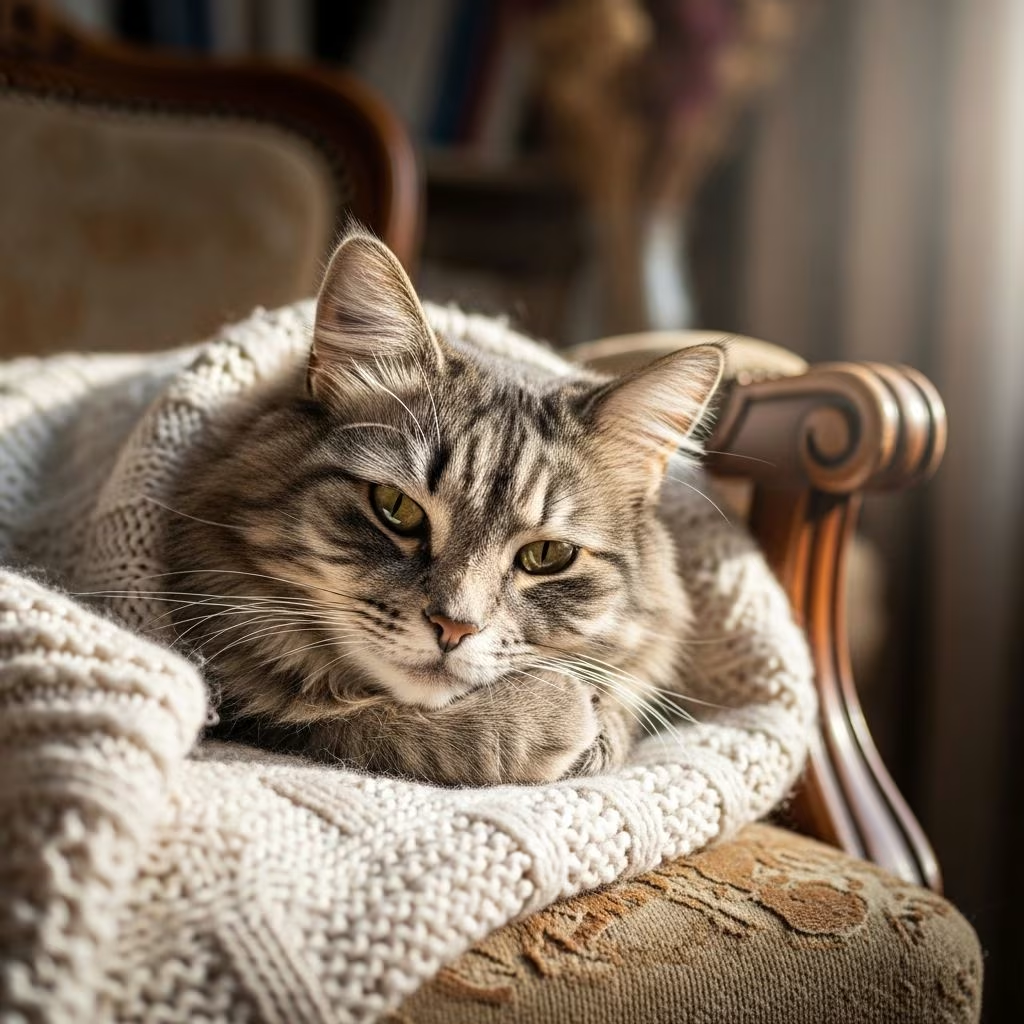
Senior Cat Care: A Complete Guide to Keeping Your Aging Cat Healthy
As your cat enters their senior years, their care requirements shift significantly. Cats age much faster than humans—a single cat year equals approximately seven human years—making proactive care essential for maintaining quality of life during their golden years. Understanding how to adapt your home, feeding routine, and veterinary approach will help your senior cat thrive and remain comfortable for as long as possible.
Understanding Your Senior Cat’s Age
Cats are typically considered senior at around age 10 to 12, though some veterinarians classify cats as geriatric at age 15 or older. Because cats age rapidly compared to humans, the time between veterinary visits represents nearly two cat years—making regular monitoring crucial. Senior cats are increasingly prone to developing one or more health conditions that can significantly impact their quality of life, which is why early detection through frequent vet visits is so important.
Regular Veterinary Wellness Visits
One of the most important steps in senior cat care is establishing a consistent veterinary schedule. The Feline Veterinary Medical Association recommends that senior cats (ages 10–15) visit their veterinarian every six months, while cats over 15 should be seen every four months. These more frequent visits allow your vet to catch emerging health issues early, when they are often most manageable.
What to Expect During a Senior Wellness Exam
A comprehensive senior cat wellness visit typically includes:
- Thorough review of eating, drinking, and bathroom habits
- Weight and body condition assessment
- Skin and coat quality evaluation
- Mouth, gums, and teeth examination
- Ears and eyes assessment
- Thyroid gland palpation
- Heart and circulatory system evaluation
- Lung and respiratory assessment
- Abdominal palpation
- Joint and muscle examination
- Review of any condition changes since the last visit
Your veterinarian may also recommend vaccinations, parasite prevention, and diagnostic testing to screen for common age-related conditions. These visits create a partnership between you and your veterinary team to identify illnesses in their early stages and develop management plans that minimize discomfort.
Nutrition for Senior Cats
Proper nutrition becomes increasingly important as cats age. Senior cats have different dietary needs than younger cats, requiring food formulated specifically for their changing metabolism and potential health conditions. Working with your veterinarian to select appropriate nutrition is essential for maintaining weight and managing chronic diseases like arthritis or kidney disease.
Senior Cat Food Options
Senior cat food is available in both dry and wet (canned) formats. Because aging cats require increased daily water intake, wet or canned food is often recommended, as it naturally provides additional hydration. Cats with kidney disease—a common condition in elderly cats—particularly benefit from increased water consumption.
Feeding Strategies for Optimal Health
- Frequent Small Meals: Rather than one or two large meals daily, senior cats digest food more efficiently when fed 3–4 smaller meals throughout the day.
- Monitor Weight Changes: Track your cat’s weight regularly and adjust portion sizes as needed, as senior cats may eat less overall.
- Maintain Hydration: Offer fresh water daily and consider mixing canned and dry food to increase water intake. Some veterinarians recommend leaving multiple water bowls throughout the house.
- Gradual Diet Transitions: When changing foods, do so slowly over 7–10 days to prevent digestive upset.
- Raised Food and Water Bowls: Cats with degenerative joint disease benefit from elevated bowls, reducing strain on their necks and joints.
Your veterinarian can recommend a diet that supports joint health, digestion, and a healthy weight without unnecessary calories.
Recognizing Signs of Illness in Senior Cats
Cats are naturally skilled at hiding signs of illness, making home monitoring essential. You play a critical role in early disease detection by noting changes in your cat’s behavior and routine between vet visits. Contact your veterinarian immediately if you observe any of the following changes:
- Unexplained weight loss
- Increased thirst or urination
- Diarrhea or constipation
- Vomiting or loss of appetite
- Changes in litter box habits
- Lethargy or decreased activity
- Behavioral changes or confusion
- Difficulty grooming or overgrown nails
These subtle changes can indicate underlying conditions such as kidney disease, hyperthyroidism, diabetes, arthritis, or cognitive dysfunction, many of which are highly manageable when caught early.
Creating a Senior-Friendly Home Environment
As your cat ages, physical capabilities decline. Arthritis and reduced mobility are common in senior cats, and strategic home modifications can significantly improve their comfort and independence.
Accessibility Modifications
- Multiple Resource Locations: Place food, water, and litter boxes on every floor of your home, minimizing the distance your cat must travel.
- Low-Sided Litter Boxes: Senior cats with arthritis may struggle with traditional deep litter boxes. Choose boxes with low sides or consider ramps and steps for easier access.
- Ramps and Steps: If your cat enjoys high perches, provide sturdy ramps or steps to reduce jumping strain on aging joints.
- Easy-Access Sleeping Areas: Provide soft, padded bedding at preferred sleeping spots. Senior cats need extra warmth and cushioning for comfort.
Grooming and Dental Care
Older cats may not groom themselves as effectively, making your assistance essential. Regular gentle brushing reduces mats, keeps their coat healthy, and allows you to check for bumps or sore spots. Additionally, maintain regular nail trims—overgrown nails in arthritic cats can curve into paw pads, causing significant pain.
Pain Management and Quality of Life
Many senior cats develop arthritis and other chronic painful conditions. Working with your veterinarian to manage pain is crucial for maintaining quality of life. Your vet may recommend medications, supplements, dietary changes, or environmental modifications to reduce discomfort and keep your cat active and engaged.
Even though senior cats sleep more than younger cats, they still need mental stimulation and physical activity tailored to their abilities. Encourage gentle play and movement by placing cozy perches at lower heights, allowing safe stretching and climbing without excessive strain.
Your Expanded Role as a Senior Cat Caregiver
Caring for a senior cat requires a more hands-on approach than caring for a younger adult cat. Your responsibilities now include:
- Administering medications as prescribed by your veterinarian
- Ensuring easy access to food, water, and litter boxes
- Monitoring behavior and health changes between vet visits
- Assisting with grooming and nail care
- Maintaining a consistent daily routine (cats find comfort in predictability)
- Providing a stimulating but manageable environment
- Making home modifications for accessibility and comfort
Understanding this expanded role is essential to helping your cat age gracefully. Your attention to detail and commitment to their changing needs directly impact their comfort, happiness, and longevity.
Managing Chronic Conditions
It is reasonable to expect that mature and senior cats will develop one or more health conditions requiring ongoing management. Common age-related conditions include:
- Chronic Kidney Disease: Requires increased water intake and may necessitate dietary changes or medications
- Hyperthyroidism: Managed through medication or dietary intervention
- Diabetes: May require insulin injections and dietary management
- Arthritis: Addressed through pain management, environmental modifications, and activity adjustments
- Dental Disease: Requires professional cleaning and may necessitate extractions
- Cognitive Dysfunction: May respond to medications and environmental enrichment
Many conditions can be effectively managed with diet and medication, significantly improving your cat’s quality of life when identified early.
Frequently Asked Questions About Senior Cat Care
Q: At what age is a cat considered senior?
A: Cats are typically considered senior at age 10–12, though classification can vary. Some veterinarians classify cats as geriatric at age 15 or older. Regardless of exact age classification, cats over 10 benefit from more frequent veterinary visits and lifestyle adjustments.
Q: How often should my senior cat visit the veterinarian?
A: The Feline Veterinary Medical Association recommends twice-yearly visits for cats aged 10–15, and every four months for cats over 15 years old. This frequency allows early detection of emerging health issues.
Q: What should I feed my senior cat?
A: Senior-specific diets formulated for aging cats are recommended. Many veterinarians suggest mixing wet and dry food to increase water intake, and feeding smaller, frequent meals (3–4 per day) rather than large meals. Your veterinarian can recommend the best diet for your cat’s specific health conditions.
Q: What are signs my senior cat needs immediate veterinary attention?
A: Contact your vet immediately if you notice unexplained weight loss, increased thirst or urination, vomiting, loss of appetite, changes in litter box habits, or significant behavioral changes. Cats are excellent at hiding illness, so any noticeable change warrants professional evaluation.
Q: How can I make my home safer for my aging cat?
A: Provide multiple food, water, and litter box locations; use ramps or steps for favorite high spots; choose low-sided litter boxes; provide soft bedding for comfort; and maintain a consistent daily routine. These modifications reduce strain on aging joints and improve accessibility.
Q: Is it normal for senior cats to sleep more?
A: Yes, senior cats sleep more than younger cats. However, they still need mental stimulation and gentle physical activity. Provide enrichment appropriate for their abilities, and monitor for signs of excessive lethargy, which may indicate an underlying health issue.
Conclusion: Enjoying Your Cat’s Senior Years
Your senior cat’s golden years can be fulfilling and comfortable with proper care, attention, and partnership with your veterinary team. By prioritizing regular wellness visits, adjusting nutrition to meet changing needs, monitoring for early signs of illness, and modifying your home environment, you provide your aging cat with the best possible quality of life. Remember that small changes in behavior or routine matter—your careful observation may catch a treatable condition before it becomes serious. The love and care you invest in your senior cat during this phase of their life honors the companionship they’ve provided throughout their years with you.
References
- Caring For Mature, Senior and Geriatric Cats — Point Vicente Veterinary Hospital. https://www.pointvicentevet.com/services/cats/senior-cat-care
- A Pet Parent’s Guide to Caring for Old Cats — Modesto Vet Hospital. 2024-05-15. https://www.modestovethospital.com/site/blog/2024/05/15/senior-cat-care
- 10 Ways to Care for Your Senior Cat — Cat Friendly Homes. https://catfriendly.com/10-ways-to-care-for-your-senior-cat/
- Senior Cat Care: How to Care for Your Aging Cat — Bond Vet. https://bondvet.com/blog/senior-cat-care-how-to-care-for-your-aging-cat
- The Ultimate Guide to Senior Cat Nutrition: Foods to Feed and Avoid — Haw Creek Animal Hospital. https://www.hawcreekanimalhospital.com/senior-cat-nutrition-101/
- Loving Care for Older Cats — Cornell University College of Veterinary Medicine. https://www.vet.cornell.edu/departments-centers-and-institutes/cornell-feline-health-center/health-information/feline-health-topics/loving-care-older-cats



