

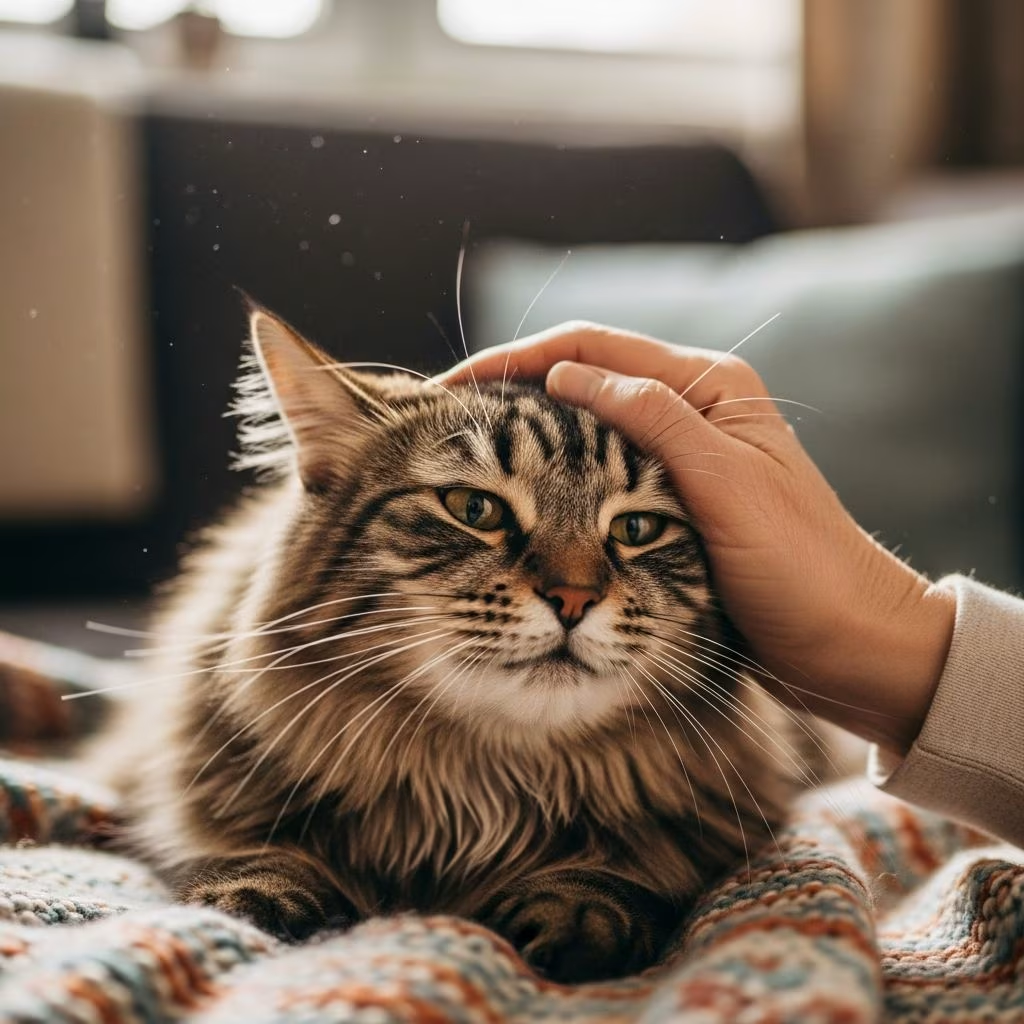
As cats reach their senior years, typically starting at age 11, their needs evolve significantly. Providing tailored care can greatly improve their comfort and longevity. This guide draws from veterinary recommendations to help you support your aging feline through proactive health management, environmental adjustments, and attentive monitoring.
Understanding the Aging Process in Cats
Cats age faster than humans; by 10 years old, they are roughly equivalent to a 56-year-old person, and at 15, comparable to 76. This rapid progression increases vulnerability to conditions like kidney disease, arthritis, hyperthyroidism, and dental issues. Regular monitoring is crucial since cats often mask symptoms until advanced stages.
- Physical changes: Reduced muscle mass, joint stiffness, and slower metabolism.
- Cognitive shifts: Possible disorientation or altered sleep patterns.
- Sensory decline: Diminished vision, hearing, or sense of smell affecting appetite and navigation.
Early intervention maintains quality of life, allowing seniors to remain active and content.
Frequent Veterinary Evaluations
Senior cats benefit from checkups every 6 months, or every 3-4 months past age 15, to detect issues early. These visits typically include bloodwork, urinalysis, blood pressure checks, and weight tracking.
Build a rapport with your vet during your cat’s younger years for better baseline health data. Prepare by noting behavior changes, appetite shifts, or mobility issues beforehand.
| Age Group | Recommended Checkup Frequency | Key Tests |
|---|---|---|
| 11-14 years | Every 6 months | Bloodwork, urinalysis, physical exam |
| 15+ years | Every 3-4 months | Above plus X-rays if needed, dental screening |
Nutrition Tailored for Mature Felines
Senior diets should be highly digestible, with controlled calories to prevent obesity while supporting muscle maintenance. Consult your vet for prescription formulas addressing kidney health or joint support.
- Increase wet food proportion for hydration, vital as kidney function wanes.
- Opt for senior-specific kibble with added antioxidants, omega-3s, and reduced phosphorus.
- Monitor weight; adjust portions and consider appetite stimulants if needed.
Transition foods gradually over 7-10 days to avoid digestive upset. Supplements like glucosamine for joints or probiotics for gut health may be recommended.
Enhancing Hydration Habits
Declining kidney efficiency makes ample water intake essential. Cats over 7 years show reduced thirst response, risking dehydration.
- Position multiple fresh water stations on each floor, away from food.
- Use circulating fountains to entice picky drinkers.
- Mix in broth or add hydration gels per vet advice.
Aim for visibly increased water consumption to support renal health and overall vitality.
Optimizing Litter Box Accessibility
Arthritis or weakness can hinder litter use, leading to accidents. Modify setups for ease.
- Provide low-sided, spacious boxes—one per floor, near resting areas.
- Use softer, clumping litter to reduce paw strain.
- Scoop daily and monitor output for color, frequency changes signaling issues.
For outdoor cats, indoor trays prevent weather-related avoidance.
Home Modifications for Mobility and Comfort
Arthritis affects up to 90% of senior cats, limiting jumps and causing pain. Adapt living spaces thoughtfully.
- Install ramps or pet stairs to favorite perches like beds or windowsills.
- Elevate food/water bowls to minimize neck strain.
- Add non-slip mats on slick floors and soft bedding in warm, quiet spots.
Maintain consistent routines to reduce stress, providing safe retreats from noise or new pets.
Grooming and Hygiene Essentials
Aging reduces flexibility for self-grooming, risking matted fur or infections.
- Brush gently 2-3 times weekly, focusing on hindquarters.
- Trim nails regularly to prevent painful overgrowth into pads.
- Clean eyes/ears with vet-approved wipes; check for dental tartar buildup.
Long-haired seniors may need sanitary trims around the rear.
Recognizing Subtle Health Warning Signs
Cats conceal illness masterfully. Watch for:
- Increased thirst/urination, weight loss despite normal eating.
- Lethargy, hiding, vocalizing more, or grooming less.
- Changes in litter habits, vomiting, or unsteady gait.
Any deviation warrants a vet visit—don’t attribute to ‘just old age.’
Promoting Gentle Exercise and Mental Sharpness
Low-impact activity preserves muscle and cognition without exhaustion.
- Engage in short sessions with wand toys or laser pointers daily.
- Use puzzle feeders or treat balls for mental workouts.
- Scatter toys accessibly to encourage natural stalking behaviors.
Track toys suit limited mobility, keeping minds engaged.
Addressing Common Age-Related Conditions
Chronic Kidney Disease (CKD): Affects 30-50% of seniors; managed with diet, fluids.
Hyperthyroidism: Boosted metabolism causing weight loss; treatable via medication.
Arthritis: Pain relief through NSAIDs, supplements, environment tweaks.
Dental Disease: Professional cleanings under anesthesia if needed.
Quality of Life Assessment
Periodically evaluate using scales like the AAHA/AAFP checklist: appetite, mobility, sociability, pain control. Discuss euthanasia compassionately when suffering outweighs joy.
Frequently Asked Questions
How often should my senior cat see the vet?
Every 6 months for ages 11-14, more frequently thereafter.
What diet is best for older cats?
Vet-recommended senior formulas emphasizing digestibility and hydration.
Can senior cats still play?
Yes, with gentle, short activities to maintain fitness and stimulation.
How do I know if my cat is in pain?
Look for reduced activity, appetite loss, or posture changes; consult vet promptly.
Should I get a companion for my senior cat?
Only if they tolerate it; prioritize stability to avoid stress.
References
- 10 Ways to Care for Your Senior Cat — Cat Friendly Homes. 2023. https://catfriendly.com/10-ways-to-care-for-your-senior-cat/
- How To Keep Your Senior Cat Healthy — PetMD. 2024-01-15. https://www.petmd.com/cat/general-health/how-to-keep-your-senior-cat-healthy
- Caring for Senior Cats — ASPCA Pet Insurance. 2023. https://www.aspcapetinsurance.com/resources/caring-for-senior-cats/
- Senior Cat Care – Special Considerations — VCA Animal Hospitals. 2024. https://vcahospitals.com/know-your-pet/senior-cat-care—special-considerations
- Special considerations for senior cats — International Cat Care. 2023-05-20. https://icatcare.org/articles/special-considerations-for-senior-cats
- Loving Care for Older Cats — Cornell University College of Veterinary Medicine. 2022. https://www.vet.cornell.edu/departments-centers-and-institutes/cornell-feline-health-center/health-information/feline-health-topics/loving-care-older-cats
- 2021 AAFP Senior Care Guidelines — American Association of Feline Practitioners. 2021-04-01. https://catvets.com/resource/senior-care-guidelines/



