

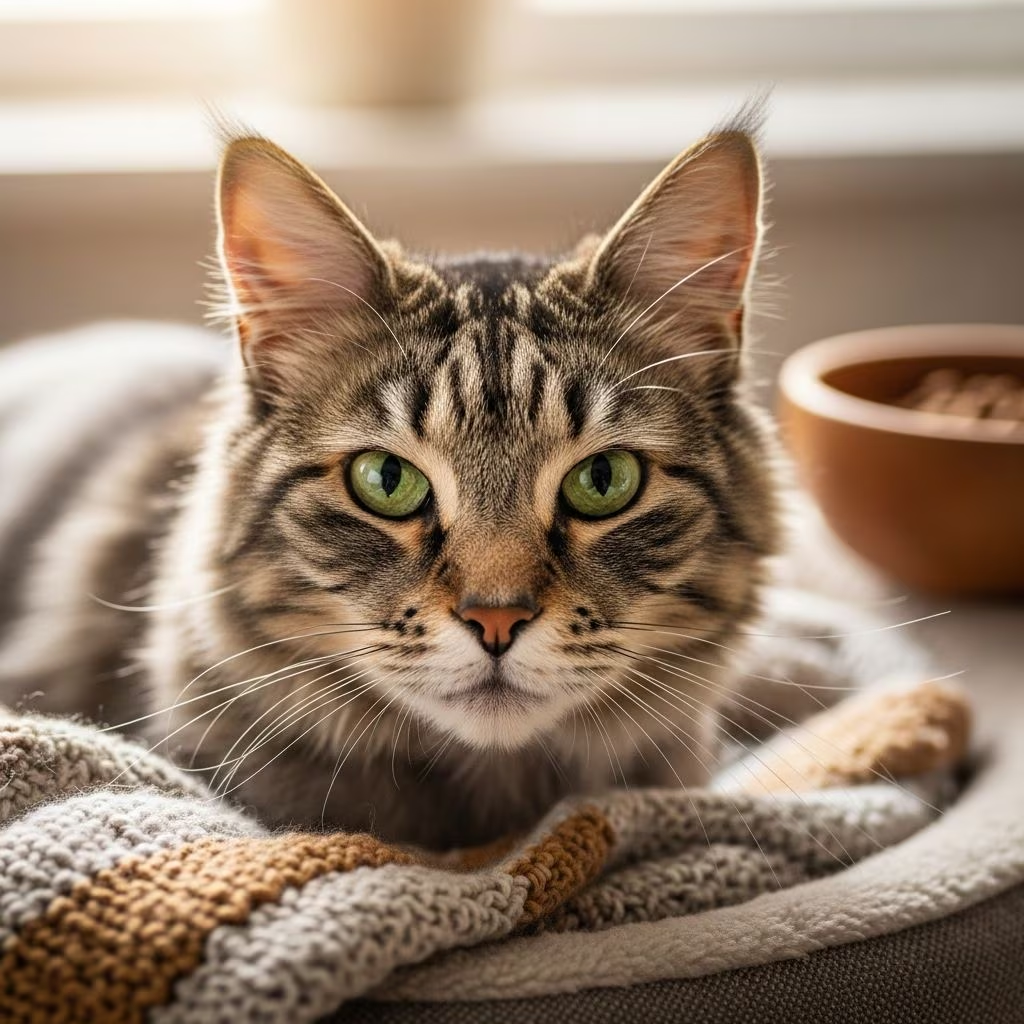
Senior Cat Care: A Complete Guide to Supporting Your Aging Feline
As your cat enters their senior years, their health needs change significantly. Cats age approximately six to seven times faster than humans, meaning that six months in a cat’s life represents roughly three human years. Understanding how to adapt your care approach is essential for keeping your senior cat comfortable, healthy, and happy during their golden years. This comprehensive guide covers everything you need to know about senior cat care, from veterinary recommendations to nutritional needs and home modifications.
Understanding Senior Cat Stages
Cats progress through distinct aging stages that help veterinarians and owners understand their specific needs. A cat is generally considered mature between ages 7 and 10, senior between ages 11 and 14, and geriatric at age 15 and beyond. Each stage brings different health considerations and care requirements. The transition into these stages is gradual, but understanding which stage your cat is in helps you anticipate their changing needs and provide appropriate support.
Regular Veterinary Wellness Visits: The Foundation of Senior Care
The Feline Veterinary Medical Association recommends that senior cats be seen by a veterinarian every six months. For cats over 15 years old, visits every four months are recommended for optimum health maintenance and early disease detection. This increased frequency is crucial because cats are exceptionally skilled at hiding symptoms of disease and illness until conditions become advanced.
What to Expect During Wellness Visits
A comprehensive wellness visit for your senior cat includes several important evaluations:
- Thorough review of habits and behavioral changes
- Weight and body condition assessment
- Skin and coat quality evaluation
- Mouth, gums, and teeth inspection
- Ears and eyes examination
- Thyroid gland assessment
- Heart and circulatory system evaluation
- Lungs and respiratory system check
- Abdominal examination
- Joints and muscle assessment
- Review of any condition changes since the last visit
These visits may also include vaccinations, parasite prevention, and treatment plans for conditions your senior cat is developing. Building a strong relationship with your veterinarian while your cat is still healthy allows them to detect subtle changes that may indicate emerging health conditions.
Nutrition and Hydration for Senior Cats
Senior cat nutrition requires special attention to support their changing digestive and metabolic needs. Senior-specific cat food is formulated to address the unique nutritional requirements of aging cats and can be served in dry or wet forms.
Feeding Strategies
Multiple small meals throughout the day benefit senior cats more than fewer, larger meals. Consider these feeding guidelines:
- Frequent Small Meals: Feed your senior cat 3-4 smaller meals daily rather than one or two large meals to aid digestion
- Hydration Focus: Senior cats require increased daily water intake; serving wet or canned food and placing multiple water dishes throughout the house supports proper hydration
- Weight Monitoring: Track weight changes regularly and adjust food portions as needed to maintain healthy body condition
- Gradual Transitions: When changing foods, transition slowly over 7-10 days to prevent digestive upset
- Raised Bowls: Use raised food and water bowls so cats with joint disease don’t have to bend down to eat and drink
Since kidney function frequently deteriorates in older cats, proper hydration becomes especially important. Consider mixing canned and dry food to increase water intake, and always ensure fresh, clean water is readily available.
Recognizing Signs of Illness in Senior Cats
Monitoring your cat’s behavior and habits is one of your most important responsibilities as a senior cat caregiver. Because cats excel at hiding illness, you must watch for subtle changes in their daily routine. Contact your veterinarian immediately if you notice any of these warning signs:
- Unexplained weight loss
- Increased thirst and urination
- Diarrhea or constipation
- Vomiting
- Changes in appetite or eating patterns
- Altered litter box habits
- Lethargy or decreased activity
- Changes in grooming behavior
- Behavioral changes or confusion
Early detection of these signs allows your veterinarian to identify illnesses in their initial stages and establish treatment and management plans to minimize discomfort and preserve quality of life.
Creating a Senior-Friendly Home Environment
Your home should be modified to accommodate your senior cat’s changing physical abilities. As cats age, they become more prone to arthritis and may have reduced control over their bowels and bladder, requiring easier access to essential resources.
Essential Home Modifications
- Multiple Litter Box Locations: Install litter boxes on every floor of your home with low sides for easy entry and exit
- Accessible Food and Water: Place food and water bowls on the same floor as your cat’s main resting area to minimize movement
- Comfortable Bedding: Provide soft, warm bedding in quiet areas where your cat can rest comfortably
- Ramps and Steps: Add ramps or sturdy steps to help your cat safely reach favorite high surfaces without strain
- Safe Perches: Place cozy beds and perches at lower heights to encourage gentle movement and stretching
- Consistent Routine: Maintain a predictable daily schedule for feeding, play, and rest
Grooming and Dental Care for Senior Cats
Older cats often cannot groom themselves as effectively as they did when younger. Your involvement in their grooming routine provides multiple benefits:
- Regular Brushing: Gently brush your cat’s coat 2-3 times weekly to keep it soft, reduce matting, and maintain circulation
- Nail Care: Trim nails regularly, as overgrown nails in arthritic cats can grow into the paw pads, causing pain and mobility issues
- Dental Health: Monitor your cat’s teeth and gums for signs of disease; dental problems become increasingly common in senior cats
- Health Monitoring: Use grooming sessions to check for bumps, sore spots, or other concerning changes
Your Role as Caregiver for an Elderly Cat
The most important aspect of senior cat care is being aware of your cat’s behavior and habits. Your expanded responsibilities as a caregiver for an elderly cat include:
- Ensuring sleeping and eating areas are easily accessible
- Adjusting physically challenging areas for easy access
- Attending more frequent veterinary visits
- Dispensing medications as prescribed
- Making lifestyle accommodations for comfort
- Monitoring daily behavior and habits for changes
- Maintaining social interaction and environmental enrichment
While older cats sleep more than younger cats, they still require interaction and a stimulating environment to keep their bodies active and minds engaged. All cats need hunting, play, and social interaction, and this doesn’t change with age—it simply requires adaptation to their physical capabilities.
Managing Multiple Conditions
As cats age, developing one or more health conditions becomes increasingly common. Managing disease requires knowledge of the specific ailment and ability to spot symptoms before they become emergencies. Work closely with your veterinarian to develop management plans that may include:
- Dietary modifications
- Medications to improve comfort and function
- Supplements for joint health or other specific conditions
- Behavioral modifications and environmental adaptations
- Regular monitoring and adjustment of treatment plans
The partnership between you and your veterinary team is essential for successfully addressing and managing senior cat issues for the best possible outcomes.
Quality of Life Considerations
As your cat progresses through their senior years, quality of life becomes an increasingly important focus. During regular veterinary visits, discuss quality of life issues openly with your veterinarian. Together, you will make health decisions for your cat with professional guidance and support. At some point, you may face difficult conversations about diagnostic testing, procedures, or end-of-life care. Your veterinarian can help you navigate these decisions with compassion and expertise, ensuring your cat’s comfort and dignity throughout their final years.
Frequently Asked Questions About Senior Cat Care
Q: At what age should I start senior cat care practices?
A: You should begin implementing senior care strategies when your cat reaches 7-10 years old. However, establishing regular veterinary care and healthy habits earlier in life makes the transition smoother.
Q: How often should my senior cat visit the veterinarian?
A: The Feline Veterinary Medical Association recommends every six months for cats aged 10-15, and every four months for cats over 15 years old, even if they appear healthy.
Q: What type of food is best for senior cats?
A: Senior-specific cat foods formulated for aging cats’ nutritional needs are ideal. Consult your veterinarian for specific recommendations based on your cat’s health conditions and preferences.
Q: Is it normal for senior cats to sleep more?
A: Yes, senior cats sleep more than younger cats. However, they still need interaction and environmental stimulation to maintain physical and mental health.
Q: How can I help my arthritic senior cat be more comfortable?
A: Use ramps or steps for access to favorite spots, provide raised food and water bowls, ensure litter boxes have low sides, offer soft bedding, and maintain a consistent routine. Your veterinarian may recommend supplements or medications to manage pain.
Q: What should I do if I notice behavior changes in my senior cat?
A: Contact your veterinarian immediately. Changes in eating habits, litter box use, activity level, or behavior can indicate underlying health issues that require professional evaluation.
References
- Caring For Mature, Senior and Geriatric Cats — MyGavet. https://www.mygavet.com/services/cats/senior-cat-care
- Senior Cat Care: How to Care for Your Aging Cat — Bond Vet. https://bondvet.com/blog/senior-cat-care-how-to-care-for-your-aging-cat
- 10 Ways to Care for Your Senior Cat — Cat Friendly Homes. https://catfriendly.com/10-ways-to-care-for-your-senior-cat/
- A Pet Parent’s Guide to Caring for Old Cats — Modesto Vet Hospital. https://www.modestovethospital.com/site/blog/2024/05/15/senior-cat-care
- The Ultimate Guide to Senior Cat Nutrition: Foods to Feed and Avoid — Haw Creek Animal Hospital. https://www.hawcreekanimalhospital.com/senior-cat-nutrition-101/
- Loving Care for Older Cats — Cornell University College of Veterinary Medicine. https://www.vet.cornell.edu/departments-centers-and-institutes/cornell-feline-health-center/health-information/feline-health-topics/loving-care-older-cats
- 2021 AAFP Senior Care Guidelines — American Association of Feline Practitioners. https://catvets.com/resource/senior-care-guidelines/



