

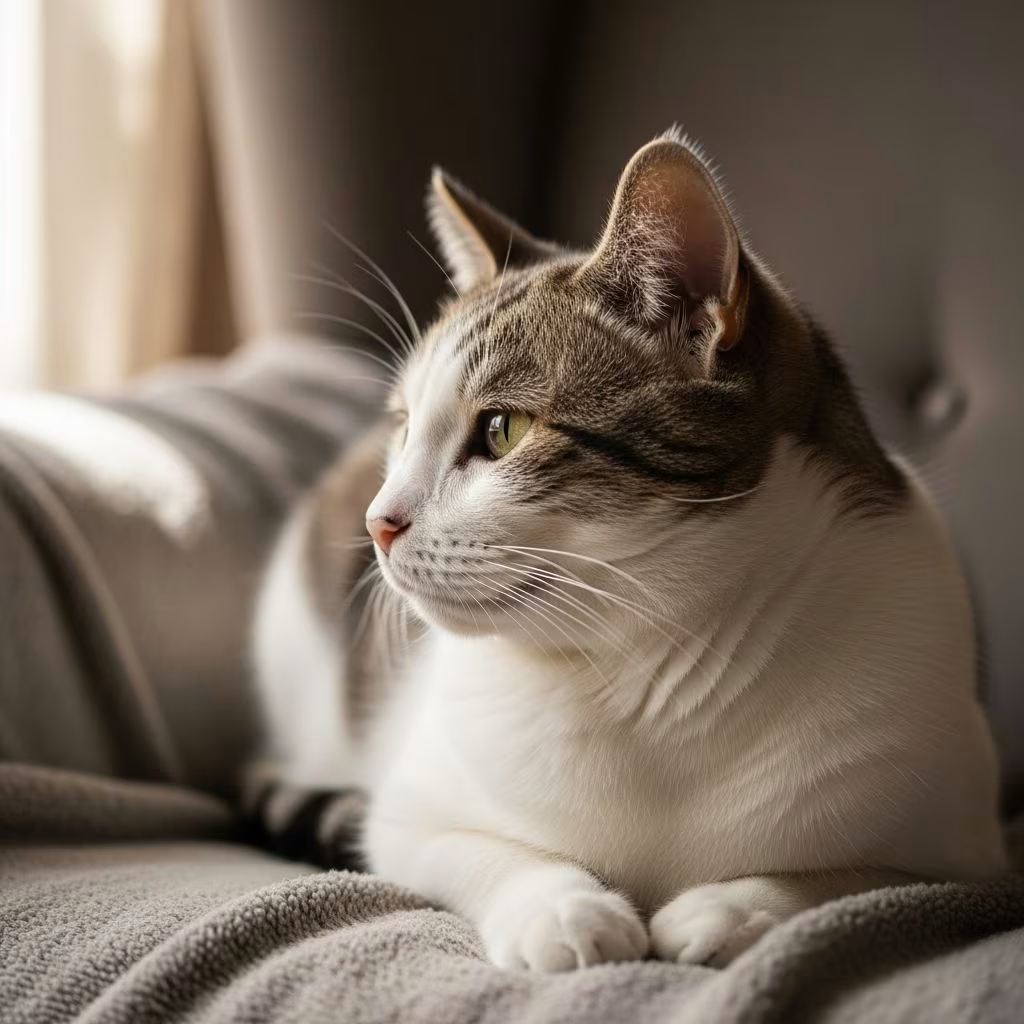
As cats gracefully age, understanding their life stages becomes crucial for providing optimal care. Senior cats, typically entering this phase around 7-10 years old, experience unique physiological changes that demand attentive monitoring and adjustments in their daily routines. This guide explores the progression of cat aging, highlights prevalent health concerns, outlines essential veterinary protocols, and offers practical home strategies to enhance their quality of life.
Understanding the Stages of Feline Aging
Cats age more rapidly than humans, with distinct phases marking their transition into seniority. According to veterinary standards, cats between 7 and 10 years are considered mature or middle-aged, 11 to 14 years qualify as senior, and those 15 years and older are geriatric. These classifications help owners anticipate needs and schedule appropriate care.
- Mature Phase (7-10 years): Cats in this stage often remain energetic but may show subtle signs like reduced jumping ability or minor weight fluctuations.
- Senior Phase (11-14 years): More noticeable changes emerge, including potential dental issues and decreased mobility.
- Geriatric Phase (15+ years): Comprehensive support is vital, as multiple health conditions can coexist, affecting up to 80% of cats with cognitive issues by this age.
Recognizing these stages allows proactive interventions, potentially extending lifespan and vitality. Factors like breed, genetics, and lifestyle influence aging pace, with indoor cats generally outliving outdoor ones.
Common Health Challenges in Older Cats
Aging felines face a spectrum of conditions, often overlapping and complicating diagnosis. Kidney disease, hyperthyroidism, diabetes, arthritis, and cancer top the list of concerns. Owners must stay vigilant for early indicators to facilitate timely treatment.
| Condition | Symptoms | Prevalence in Seniors |
|---|---|---|
| Kidney Disease | Increased thirst, urination changes, weight loss | Very common; deteriorates renal function |
| Hyperthyroidism | Weight loss despite appetite, hyperactivity | Frequent hormonal disorder |
| Diabetes Mellitus | Excessive drinking/eating, lethargy | Linked to obesity in overweight cats |
| Osteoarthritis | Stiffness, reluctance to jump, altered gait | Affects mobility significantly |
| Cancer | Lumps, appetite loss, oral issues | Increased risk for intestinal/mammary types |
Periodontal disease exacerbates many issues, leading to pain and nutritional deficits if untreated. Cognitive dysfunction syndrome, akin to dementia, impacts behavior in over 80% of cats aged 15+. Regular assessments catch these early, improving management outcomes.
The Critical Role of Routine Veterinary Care
Frequent vet visits form the backbone of senior cat health maintenance. Guidelines recommend checkups every six months for cats 7-15 years and every four months for those over 15, equating to human-equivalent annual exams. These sessions include physical exams, blood panels (chemistry, CBC, thyroid), urinalysis, blood pressure monitoring, and imaging like ultrasounds or X-rays.
Senior wellness programs emphasize early detection, as cats mask illnesses adeptly. For instance, biannual bloodwork identifies subclinical issues like hypertension, common in kidney or thyroid cases. Vaccinations, parasite control, and tailored boosters continue based on lifestyle. Building a vet relationship during healthier years aids in spotting deviations promptly.
- Prepare by noting weight trends, appetite, litter habits, and mobility.
- Discuss diet transitions or supplements suited to diagnostics.
- Address dental cleanings, as oral health underpins overall wellness.
Nutritional Strategies for Aging Cats
Diet profoundly influences senior cat longevity. Shift to senior-specific formulas with controlled phosphorus for kidney support, higher protein for muscle maintenance, and omega-3s for joint health. Feed smaller, frequent meals to aid digestion and hydration, especially canned options mimicking natural moisture intake.
Avoid overfeeding to combat obesity, a precursor to diabetes and joint strain. Monitor body condition score monthly; gradual weight changes signal underlying problems. Wide, elevated bowls prevent whisker fatigue and neck strain, while fresh water stations encourage intake critical for renal health.
Enhancing Mobility and Comfort at Home
Arthritis and weakness necessitate environmental tweaks. Low-entry litter boxes, ramps to favorite perches, and soft bedding alleviate joint stress. Regular nail trims prevent painful overgrowth into paw pads.
Grooming assistance maintains coat quality, as flexibility wanes. Encourage gentle play with interactive toys to preserve muscle tone without exhaustion. Consistent routines reduce stress, supporting cognitive health.
Recognizing Behavioral and Cognitive Shifts
Senior cats may vocalize more, sleep excessively, or alter social interactions, signaling cognitive dysfunction or pain. Track litter box frequency—larger clumps or accidents indicate urinary issues—and watch for hiding or disorientation. Enrichment like puzzle feeders stimulates mental acuity.
Preventive Measures and Daily Wellness
Holistic care integrates flea control, clean bedding, and affection. Dental brushing curbs plaque, while exercise routines—laser pointers or chasing—bolster bones and heart health. Hydration hacks, like flowing fountains, appeal to instincts.
Frequently Asked Questions (FAQs)
When does a cat become senior?
Cats enter maturity at 7-10 years, senior at 11-14, and geriatric at 15+.
How often should senior cats see a vet?
Every 6 months for 10-15 years; every 4 months over 15.
What causes unexplained weight loss in older cats?
Hyperthyroidism, diabetes, kidney disease, or cancer; vet evaluation essential.
Can senior cats eat the same food as kittens?
No; opt for senior diets with adjusted nutrients for age-related needs.
How to help a cat with arthritis?
Use ramps, low boxes, joint supplements, and vet-approved pain management.
Long-Term Outlook for Senior Cats
With diligent care, many cats enjoy vibrant lives into their late teens or early 20s. Early intervention and lifestyle adaptations mitigate age-related declines, fostering comfort and joy. Consult professionals for personalized plans, ensuring your companion’s later years are fulfilling.
References
- AAFP Senior Care Guidelines — Feline Veterinary Medical Association. 2023. https://www.mygavet.com/services/cats/blog/how-best-care-your-cat-they-enter-their-senior-years
- Top 10 Senior Cat Health Tips — Hill’s Pet Nutrition. 2023. https://www.hillspet.com/cat-care/routine-care/senior-cat-healthcare-tips
- Updated Senior Care Guidelines — American Association of Feline Practitioners. 2023. https://catvets.com/updated-senior-care-guidelines/
- Senior Cat Care – Special Considerations — VCA Animal Hospitals. 2023. https://vcahospitals.com/know-your-pet/senior-cat-care—special-considerations
- 10 Ways to Care for Your Senior Cat — Cat Friendly Homes. 2023. https://catfriendly.com/10-ways-to-care-for-your-senior-cat/
- Loving Care for Older Cats — Cornell University College of Veterinary Medicine. 2023. https://www.vet.cornell.edu/departments-centers-and-institutes/cornell-feline-health-center/health-information/feline-health-topics/loving-care-older-cats



