

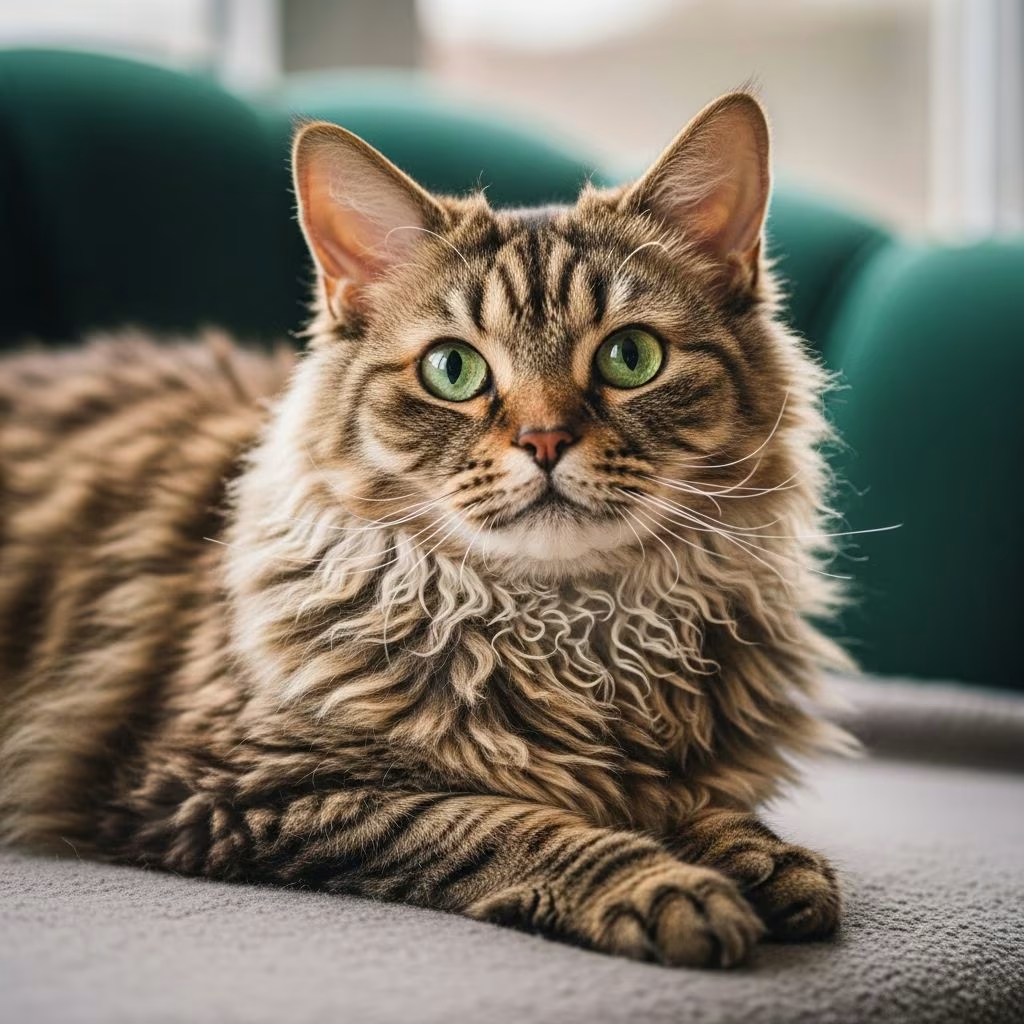
The Selkirk Rex Longhair stands out among feline varieties due to its distinctive curly or wavy fur, stemming from a natural genetic variation. This breed combines a sturdy build with a soft, plush coat that invites petting, making it a favorite for those who appreciate unique textures in their pets.
Origins and Development of the Breed
The story of the Selkirk Rex Longhair begins in the late 1980s on a ranch in Montana, where a black kitten with an unusual curly coat appeared unexpectedly among barn cats. This spontaneous mutation marked the foundation of the breed, named after the local Selkirk Mountains to honor its roots. Breeders carefully crossed this foundational cat with American Shorthairs and Persians to establish the longhaired variety, emphasizing the dominant curl gene that defines Rex breeds.
Unlike many purebreds with ancient lineages, the Selkirk Rex developed rapidly through selective breeding focused on health and temperament. By the early 1990s, it gained recognition from major cat registries, including The International Cat Association (TICA) in 1992 and the Cat Fanciers’ Association (CFA) in 2015. This relatively recent emergence ensures a diverse gene pool, contributing to the breed’s robustness compared to older, more inbred lines.
Distinctive Physical Traits
Selkirk Rex Longhairs possess a medium-to-large rectangular body frame, with males often weighing 11-16 pounds and females slightly lighter at 6-12 pounds. Their stocky, muscular build supports an active lifestyle without fragility, featuring substantial bones and a broad chest that conveys strength.
The hallmark is the coat: a dense, curly or wavy undercoat paired with longer guard hairs that create a tousled, plush appearance. Unlike the tight ringlets of some Rex breeds, the Selkirk’s curls are loose and varied, ranging from gentle waves to pronounced coils, especially prominent on the flanks, belly, and tail. Kittens may have straighter fur that curls by six months, fully developing by age two. All coat colors and patterns are accepted, from solids to tabbies and points.
Head and facial features include rounded contours, prominent whisker pads, and large, widely set eyes in shades of gold, copper, or blue for pointed varieties. Ears are medium-sized and set high, while paws are round and large, often with fur tufts. The tail is thick and tapering, covered in curls that enhance the breed’s fluffy allure.
Temperament and Behavioral Characteristics
Renowned for their placid and patient nature, Selkirk Rex Longhairs form deep bonds with family members, often following them room-to-room. They exhibit dog-like devotion, enjoying interactive play with toys and learning simple tricks, yet they adapt well to quiet evenings curled on laps.
These cats are generally amiable with strangers, children, and other pets, displaying low aggression and high tolerance. Vocalization is minimal; they communicate softly rather than demanding attention. Their intelligence shines in puzzle toys and environmental exploration, balancing playfulness with relaxation.
- Affectionate: Seeks human companionship without clinginess.
- Playful: Enjoys fetch and climbing but tires gracefully.
- Sociable: Welcomes guests and coexists with dogs or other cats.
- Adaptable: Thrives in apartments or homes with yards.
Grooming Essentials for the Curly Coat
Despite the long fur, the Selkirk Rex Longhair sheds less than straight-coated counterparts due to the curly structure trapping loose hairs. Weekly brushing with a wide-tooth comb or slicker brush prevents matting, particularly under the belly and around the ruff. Bathing every 4-6 weeks keeps curls defined, using cat-specific moisturizing shampoos to maintain coat health.
Nail trims bi-weekly, ear cleaning monthly, and dental care via brushing or treats support overall hygiene. The low-shedding trait makes them suitable for moderate allergy sufferers, though no cat is truly hypoallergenic.
| Grooming Task | Frequency | Tips |
|---|---|---|
| Brushing | 2-3 times/week | Use fingers to separate curls gently. |
| Bathing | Every 1-2 months | Plunge method preserves curl pattern. |
| Nail Trimming | Every 2 weeks | Clip tips only to avoid quick. |
| Dental Care | Daily brushing | Enzymatic toothpaste for cats. |
Health and Wellness Considerations
Selkirk Rex Longhairs inherit vitality from their outcross origins, boasting a lifespan of 14-15 years with proper care. Common concerns mirror those of Persian relatives: hypertrophic cardiomyopathy (HCM), polycystic kidney disease (PKD), and hip dysplasia, though incidence is lower due to diverse breeding.
Annual veterinary exams, including ultrasounds for HCM screening, are vital. A high-quality diet supporting heart and kidney health, portion control to prevent obesity, and environmental enrichment mitigate risks. Their curly fur can hide skin issues, so regular checks for dryness or infections are advised.
Nutrition and Daily Care Routine
Feed premium wet and dry foods rich in animal proteins, tailored to age and activity. Adults need 200-300 calories daily, split into meals to curb overeating. Fresh water, scratching posts, and elevated perches cater to their physical and mental needs.
Litter box training is straightforward; they prefer covered boxes for privacy. Spaying/neutering at 4-6 months prevents health issues and curbs wandering.
Ideal Homes and Lifestyle Fit
Best suited for calm households, these cats flourish with patient owners who value grooming time. Families with children or seniors benefit from their gentle demeanor, while multi-pet homes appreciate their sociability. They handle solitude briefly but prefer company.
Acquiring a Selkirk Rex Longhair
Rare outside North America, seek reputable breeders via TICA/CFA directories who health-test parents. Adoption from rescues yields purebreds occasionally. Expect $800-$2000 purchase prices, plus initial vet costs.
Puppies versus kittens: Adults offer known temperaments; kittens allow bonding from start.
Fun Facts and Breed Trivia
- The curl gene is dominant, so one parent passes it reliably.
- Known as ‘poodle cats’ for curly resemblance.
- Excel in cat shows for coat uniqueness.
- Water-loving; many enjoy baths.
Frequently Asked Questions (FAQs)
Are Selkirk Rex Longhairs good for beginners?
Yes, their forgiving nature and moderate needs make them excellent first pets.
How much do they shed?
Minimal shedding; curls capture hair effectively.
Do they get along with dogs?
Typically yes, with proper introductions.
What’s the difference from other Rex breeds?
Looser curls and stockier build distinguish them from Devon or Cornish Rex.
Are they hypoallergenic?
Low-shedding aids allergies but not fully hypoallergenic.
References
- 15 Longhaired Cat Breeds — PetMD. 2023-10-15. https://www.petmd.com/cat/general-health/longhaired-cats
- Domestic Longhair Cat – Lifespan, Personality, Grooming & More — Litter-Robot. 2024-05-20. https://www.litter-robot.com/blog/domestic-longhair-cat/
- All Longhaired Cat Breeds — Purina US. 2024-08-12. https://www.purina.com/cats/cat-breeds/collections/long-haired-cat-breeds
- The Top 10 Domestic Longhair Cat Breeds — Cat Evolution. 2023-11-05. https://catevolution.com.au/blogs/cat-breeds/the-top-10-domestic-longhair-cat-breeds-which-one-is-right-for-you



