

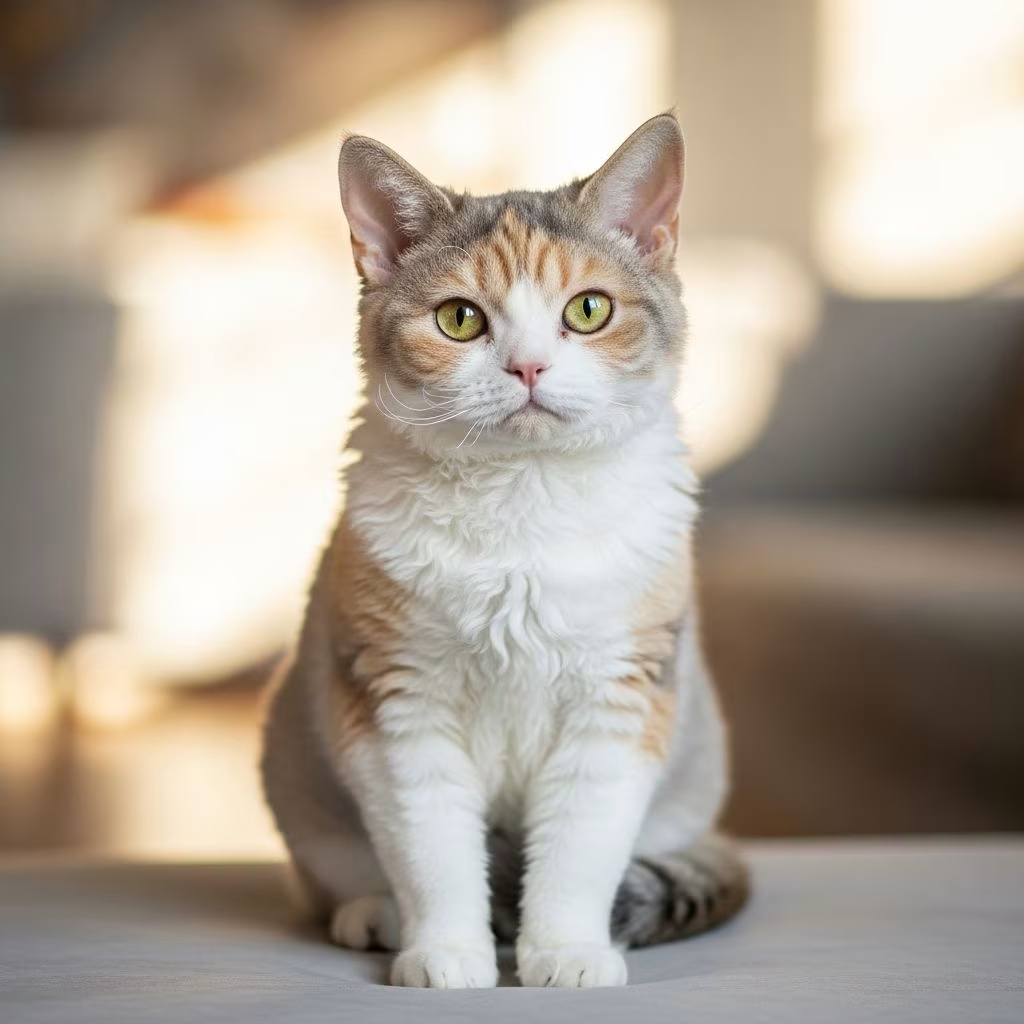
The Selkirk Rex stands out among cat breeds due to its distinctive curly coat and robust physique, often likened to a living teddy bear. This medium-to-large feline combines a playful spirit with deep affection, making it an excellent choice for households seeking a devoted companion.
Origins and Development of the Breed
The Selkirk Rex emerged in the United States during the late 1980s from a spontaneous genetic mutation in a stray cat found in Montana. This unique curl gene, unlike those in other Rex varieties such as the Devon or Cornish Rex, produces a thick, plush texture rather than sparse waves. Breeders crossed the original curly kitten, named Miss DePesto, with Persians and Exotics to stabilize the trait while enhancing its sturdy frame and sweet disposition.
Acceptance into major registries followed swiftly: The Cat Fanciers’ Association (CFA) provisionally recognized it in 1992, achieving full status by 2015, while The International Cat Association (TICA) granted championship recognition in 2013. This rapid rise reflects the breed’s appealing blend of novelty and reliability. The dominant curl gene simplifies breeding, as about half of offspring from a curly parent inherit the trait, allowing for diverse outcrosses that maintain genetic health.
Today, the Selkirk Rex thrives as a relatively new yet established breed, prized for its low inbreeding rates comparable to mixed domestic cats, which supports long-term vitality.
Distinctive Physical Features
Selkirk Rex cats exhibit a solid, muscular body with heavy boning that conveys substantial weight despite a balanced frame. Males typically reach 12-15 pounds, females slightly less, supported by short, sturdy legs and large paws suited for stability.
The head is round with full cheeks, prominent jowls in adults, round eyes set wide apart, and medium ears that frame a gentle expression. Both shorthair and longhair varieties display curls most prominently on the flanks, belly, neck, and tail, with whiskers and eyebrows curling as well.
| Feature | Shorthair | Longhair |
|---|---|---|
| Coat Texture | Dense, tight curls like a teddy bear | Loose, flowing ringlets with ruff and plumed tail |
| Curl Intensity | Tighter, shorter waves | Softer, longer curls varying by age/season |
| Maturity | Full coat by 2 years | Full coat by 2 years |
Colors span solids, tabbies, points, and more, with no restrictions, allowing endless variety. Homozygous cats (double curl gene) show tighter curls and a sleeker build, but most are heterozygous with plush, randomly curled fur.
Temperament and Daily Behavior
Renowned for patience and sociability, the Selkirk Rex bonds deeply with family members, often following owners room-to-room for attention without excessive demanding.
- Affectionate Lap Cat: Thrives on cuddles, preferring laps over high-energy antics.
- Playful Yet Mellow: Enjoys toys, puzzles, and chasing but tires quickly, favoring floor-level games.
- Family-Friendly: Patient with children and pets if handled gently; leash-trainable for outings.
- Quiet Communicator: Soft vocalizations in response to humans, not overly talkative.
Intelligence shines through puzzle-solving and adaptability, though boredom leads to mild mischief without stimulation. Ideal for calm homes, they handle alone time moderately but prefer company.
Grooming and Coat Maintenance
The curly coat demands regular care to prevent mats, especially in longhairs. Daily brushing with a wide-tooth comb preserves curls and distributes oils; bathe monthly if needed, using curl-enhancing shampoos.
- Shorthairs: Weekly brushing suffices.
- Longhairs: Twice-weekly sessions, focusing on ruff and belly.
- Tools: Slicker brush, comb, de-shedding glove.
Nail trims biweekly, ear cleaning monthly, and dental care daily prevent issues. Shedding is average, but curls trap loose hair effectively.
Health Considerations and Lifespan
Generally robust, Selkirk Rexes live 14-15 years with proper care. The dominant gene avoids recessive defects common in other Rexes, but outcross heritage introduces risks like hypertrophic cardiomyopathy (HCM) from Persian lines and polycystic kidney disease (PKD).
Annual vet checks, including heart ultrasounds and genetic screening, are essential. Maintain ideal weight to reduce joint strain from heavy boning. No breed-specific diet, but high-protein food supports muscle.
| Common Concerns | Prevention |
|---|---|
| HCM/PKD | Genetic testing, early screening |
| Obesity | Portion control, activity |
| Coat Mats | Regular grooming |
Ideal Living Environments
Selkirk Rexes adapt to apartments or houses, indoor preferred for safety. Provide scratching posts, perches, and toys for mental stimulation. They enjoy moderate outdoor access via enclosures but aren’t hyperactive roamers.
Compatible with dogs, cats, and respectful kids; thrive in quiet to moderately active homes. First-time owners appreciate their forgiving nature.
Bringing Home a Selkirk Rex Kitten
Select reputable breeders adhering to health testing. Kittens are born curly, may straighten temporarily before adult coat develops at 8-10 months. Expect $800-$2000 purchase price; rescues occasionally available.
Prepare with litter box, food, bed, and toys. Socialize early for well-rounded adults. Spay/neuter enhances coat curls in maturity.
Nutrition and Exercise Needs
Feed premium wet/dry food balancing protein (40%+), fats, and fibers for coat health. Divide into 3-4 meals daily for kittens, 2 for adults; monitor weight quarterly.
Exercise via interactive play 15-20 minutes daily: feather wands, balls, tunnels. Vertical spaces encourage climbing without exhaustion.
Frequently Asked Questions (FAQs)
Are Selkirk Rex cats hypoallergenic?
No, their dense coat sheds moderately, though curls may trap dander. Regular grooming helps allergy sufferers.
How often should I groom a Selkirk Rex?
Daily for longhairs, weekly for shorthairs to maintain curls and prevent matting.
Do Selkirk Rexes get along with dogs?
Yes, their patient temperament suits dog households with proper introductions.
What’s the difference between Selkirk Rex and other Rex breeds?
Selkirk has thicker, plush curls versus sparser coats in Devon/Cornish Rexes; dominant gene vs. recessive.
Are they good for apartments?
Absolutely, mellow nature fits small spaces with enrichment.
Why Choose a Selkirk Rex?
This breed offers unmatched cuddliness, visual appeal, and easygoing vibes, perfect for affectionate pet parents valuing companionship over showiness. Their genetic stability and versatility ensure joy for years.
References
- Selkirk Rex Cat Breed – Hill’s Pet Nutrition — Hill’s Pet Nutrition. 2023. https://www.hillspet.com/cat-care/cat-breeds/selkirk-rex
- Selkirk Rex Cat Breed Information — Purina UK. 2024. https://www.purina.co.uk/find-a-pet/cat-breeds/selkirk-rex
- Selkirk Rex — The International Cat Association (TICA). 2025-01-15. https://tica.org/breed/selkirk-rex/
- Selkirk Rex — The Cat Fanciers’ Association (CFA). 2024. https://cfa.org/breed/selkirk-rex/
- Selkirk Rex — Wikipedia (citing primary genetic studies). 2025. https://en.wikipedia.org/wiki/Selkirk_Rex
- Selkirk Rex — VCA Animal Hospitals. 2024-06-10. https://vcahospitals.com/know-your-pet/cat-breeds/selkirk-rex



