

Self-Serve Dog Wash Tips: A Complete Guide
Self-service dog wash stations have become increasingly popular among pet owners who want to maintain their dog’s hygiene between professional grooming appointments. These facilities provide all the necessary equipment and supplies in a convenient, controlled environment. Whether you’re a first-time user or looking to improve your technique, understanding the proper steps and best practices will ensure your dog has a safe, stress-free bathing experience while achieving optimal cleanliness.
Understanding Self-Service Dog Wash Stations
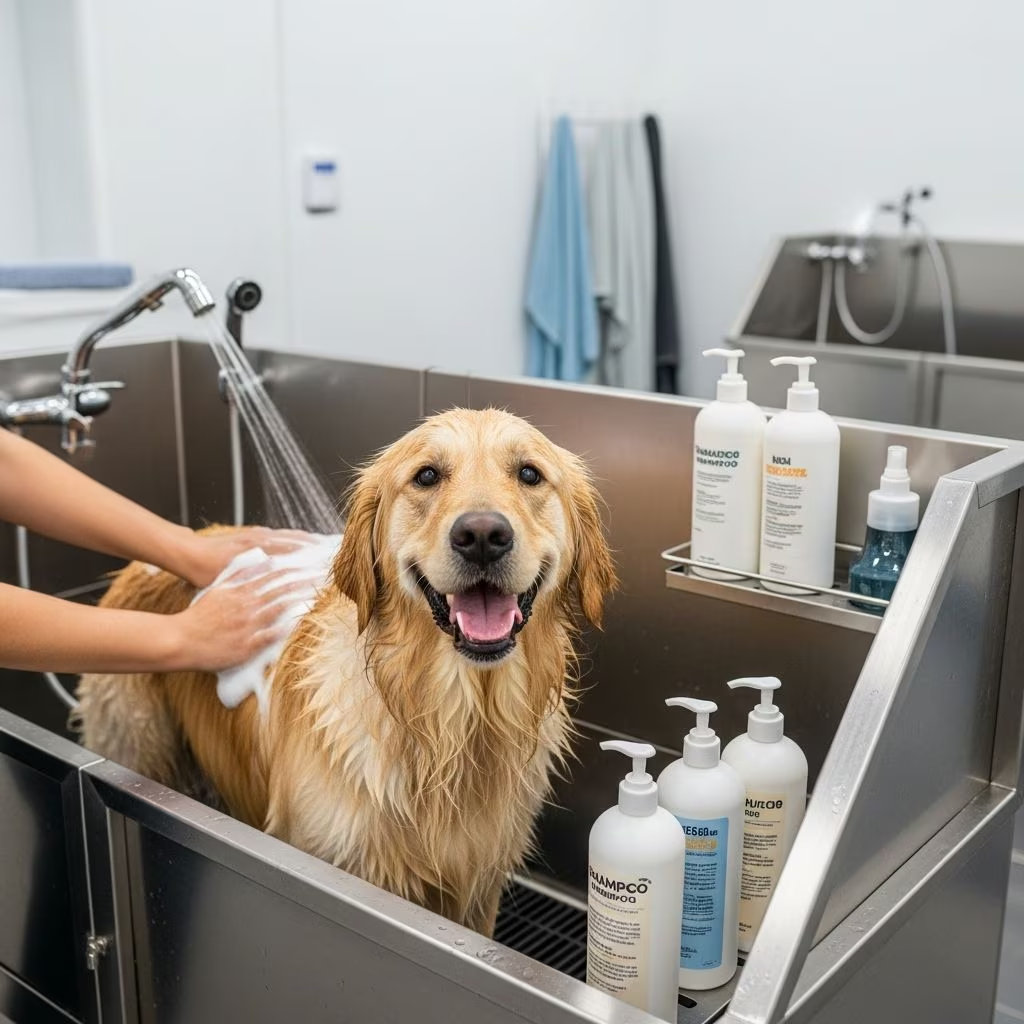
Self-service dog wash stations are specially designed grooming facilities equipped with elevated tubs, adjustable water temperature and pressure controls, professional-grade shampoos and conditioners, high-powered dryers, and grooming supplies. These stations eliminate the mess and stress of washing your dog at home while providing professional-quality tools and products. Most facilities are staffed with knowledgeable team members who can guide you through the process and answer questions about available products. The stations are designed with your dog’s comfort and safety in mind, featuring secure tethering systems and non-slip surfaces.
Preparation: Setting Yourself Up for Success
Successful dog washing begins long before you arrive at the self-service station. Preparation is the foundation of a smooth, efficient grooming experience that minimizes stress for both you and your dog.
Brush Your Dog’s Coat Thoroughly
Always begin by brushing your dog’s coat before the bath. This critical first step removes matted fur, loose hair, dirt, and debris that could interfere with the shampoo’s effectiveness. Brushing helps the shampoo penetrate all the way to the skin, ensuring a deeper clean. For dogs with thick double coats, consider using a pre-bath blow-out with a professional grooming dryer to remove excess fur more effectively. This step also allows you to identify any tangles or mats that need special attention during bathing, preventing them from becoming worse when wet.
Prepare Your Dog Mentally
Mental preparation is just as important as physical preparation. Familiarize your pup with water and bathing gradually at home before attempting a full wash at a self-service station. Introduce your dog to grooming tools like dryers and brushes well in advance using positive reinforcement and treats. Let them sniff and explore the equipment before using it on their coat. Practice stress-free car rides to the grooming facility, and if possible, visit the location beforehand so your dog becomes accustomed to the environment. This gradual introduction reduces anxiety and makes the actual bathing experience much more pleasant.
Gather All Supplies
Before arriving at the self-service station, create a checklist of items you may need to bring: treats for distraction and rewards, a brush for post-bath grooming, multiple towels (especially if your dog loves to shake), and any specialized products your dog may require. At the station, staff will typically provide shampoo, conditioner, and basic grooming supplies, but knowing what’s available beforehand helps you plan accordingly. Having everything ready prevents unnecessary stress and makes the experience smooth and efficient.
Step-by-Step Bathing Process
Step 1: Secure Your Dog Safely
Once you’re at the self-service station, securely attach your dog to the provided leash or tether system. This safety measure keeps your dog in place and prevents them from jumping out of the tub or running away. The tether should be snug enough to keep them secure but not so tight that it causes discomfort. Take a moment to help your dog acclimate to the tub environment before beginning the wash. Speak in calm, reassuring tones and offer treats to create a positive association with the space.
Step 2: Warm Up the Water
Adjust the water temperature to be slightly warm, not hot. Test the water with your hand to ensure it’s comfortable before applying it to your dog. Water that’s too hot can burn their sensitive skin, while water that’s too cold can be uncomfortable and cause your dog to become tense. For dogs with skin conditions or excessive itchiness, you may want to use cooler water. Once you’ve achieved the right temperature, select your shampoo and conditioner. For dogs with sensitive skin, skin conditions, or excessive itchiness, look for shampoos containing soothing ingredients like oatmeal or tea tree oil.
Step 3: Wet Your Dog’s Coat
Thoroughly wet your dog’s entire body using the sprayer attachment, starting from the neck and working downward. This top-to-bottom approach helps water flow naturally down the body. Use moderate water pressure to avoid startling your dog. Ensure you reach all areas, including behind the ears, under the armpits, the belly, and between the toes. Avoid spraying directly in your dog’s face, eyes, nose, or ears, as this can be uncomfortable and lead to complications like ear infections.
Step 4: Apply and Lather Shampoo
Never start shampooing your dog’s face. Always begin at the neck and work downward, gently massaging the shampoo into their coat. Use your fingers to work the shampoo through thick fur, ensuring it penetrates all the way to the skin. Pay special attention to often-neglected areas like the paws, stomach, armpits, and tail. Create a rich lather throughout the coat. For the face, use a damp washcloth instead of spraying water directly, giving you better control over sensitive areas and making the experience more pleasant for your dog.
Step 5: Rinse Thoroughly
One of the most common mistakes in dog bathing is insufficient rinsing. Rinse until the water runs completely clear of dirt and shampoo bubbles. Shampoo residue left in the coat attracts excess dirt and can cause itchiness and skin irritation. Use the sprayer’s adjustable pressure to help dislodge all product from the fur. Start rinsing from the neck and work downward, using gravity to your advantage. Don’t forget to rinse all nooks and crannies, including behind the ears, under the belly, and between the toes. You can gently run a brush through their hair while rinsing to ensure all shampoo is completely removed.
Step 6: Apply and Rinse Conditioner (Optional)
Conditioning is not necessary for every dog, but it can significantly benefit dogs with long hair or dry coats by softening and nourishing the coat. If you choose to use conditioner, apply it throughout the coat following the same technique as the shampoo. Allow it to sit for the recommended time before rinsing thoroughly. Some leave-in conditioners don’t require rinsing; read the packaging carefully or ask staff for guidance. Ensure all conditioner is removed unless specifically designed as a leave-in product, as residue can make the coat feel greasy and attract dirt.
Drying Your Dog Effectively
Proper drying is the final crucial step in the self-service dog wash process. The drying method you choose depends on your dog’s coat type, size, and comfort level.
Towel Drying
Start with towel drying immediately after rinsing. Use super-absorbent microfiber shammy towels to remove excess water efficiently. Towel dry your dog’s face and head first, allowing them time to air dry while you focus on the body. For dogs with long or thick coats, towel drying helps prevent matting and hot spots that can occur with air drying alone. Gently squeeze water from the coat rather than rubbing vigorously, which can cause tangles and matting.
Blow Drying Techniques
Self-service stations typically provide high-powered pet dryers designed to be effective while keeping your dog comfortable. These dryers produce air without excessive heat, making them safer than regular household blow dryers. If using a blow dryer, start with the lowest heat setting and work slowly and carefully. The noise from dryers can startle dogs, so proceed gradually. Try offering treats to help them become comfortable with the sound and sensation. Work in small sections, starting from the back of the head and neck, moving downward with the airflow. Keep the nozzle in steady back-and-forth motions to dry effectively without overdrying. Use one hand to shield your dog’s ears and eyes from the direct airflow. If your dog becomes too uncomfortable, switch back to towel drying or stop and take a break.
Post-Drying Grooming
Brush out any tangles while the coat is still damp. This is the perfect time to work through the fur when it’s more manageable. For thick or long-coated breeds, blow drying is recommended to help prevent matting that often occurs with air drying. Some facilities provide professional grooming dryers specifically designed for this purpose. Once your dog is completely dry and brushed, give them a well-deserved treat or cuddle to reinforce positive behavior and reward them for being such a good sport during the grooming session.
Special Considerations for Your Dog
Protecting Sensitive Areas
Your dog’s ears and eyes are particularly sensitive and susceptible to infection if water enters them. You can stuff your dog’s ears with cotton balls before bathing to keep water out completely. When washing the face, always use a damp cloth and wipe gently rather than spraying water. There are also specialty wipes available specifically designed to clean eyes and ears safely. Never force your dog’s head under water or spray water directly into their face.
Dogs with Skin Conditions
If your dog has a skin condition or struggles with excessive itchiness, use cooler water and select shampoos specifically formulated for sensitive skin. Oatmeal-based shampoos are particularly soothing for irritated skin, as are products containing tea tree oil. Be extra thorough with rinsing, as residual product can exacerbate skin issues. Consider using a leave-in conditioner designed for sensitive skin to provide additional soothing benefits.
Working with Anxious Dogs
For dogs prone to anxiety, create a calm, stress-free environment. Use enrichment products like a Lickimat covered with pumpkin puree or plain yogurt to distract them during bathing. Keep your own demeanor calm and reassuring, as dogs sense and mirror your emotions. Take breaks if needed, and never rush the process. Positive reinforcement through treats and praise goes a long way in building positive associations with bathing.
Self-Service Station Etiquette and Cleanup
Most self-service dog wash facilities handle cleaning and sanitizing the stations after use, so you can leave with a clean dog and minimal cleanup responsibilities. However, it’s good practice to rinse down the tub and remove any excess hair or debris as you finish. This courtesy helps maintain the facility and respects other users. Be mindful of water usage and try to use only what you need. Follow all facility guidelines and respect posted rules regarding water pressure, temperature limits, and product usage.
Frequently Asked Questions
Q: How often should I use a self-service dog wash station?
A: For most dogs, bathing every 4-12 weeks is appropriate, depending on their coat type, activity level, and skin condition. Dogs that spend a lot of time outdoors or have skin issues may benefit from more frequent baths. Consult your veterinarian for recommendations specific to your dog’s needs.
Q: What’s the ideal water temperature for dog bathing?
A: Water should be slightly warm, comfortable to the touch when tested on your inner wrist or hand. Avoid hot water, which can burn your dog’s sensitive skin. For dogs with certain skin conditions, cooler water may be more appropriate.
Q: Can I use human shampoo on my dog?
A: No, human shampoo is not recommended for dogs. Dogs’ skin has a different pH balance than humans, and human shampoo can disrupt their skin’s natural protective barrier. Always use dog-specific shampoos formulated for your dog’s skin type and coat condition.
Q: Why is thorough rinsing so important?
A: Shampoo residue remaining in your dog’s coat can cause itching, skin irritation, and will attract dirt. Thorough rinsing ensures your dog is truly clean and prevents potential skin problems.
Q: How can I prevent ear infections at the wash station?
A: Use cotton balls to block your dog’s ears before bathing. Avoid spraying water directly in or near the ears. After bathing, gently wipe the outer ear with a clean, dry cloth. If water does enter the ear, dry it thoroughly or use an ear-cleaning solution designed for dogs.
Q: Is conditioning necessary for all dogs?
A: Conditioning is most beneficial for dogs with long, thick, or curly coats. Dogs with short coats may not need conditioning unless they have particularly dry or sensitive skin. Ask your veterinarian or groomer for personalized recommendations.
Q: What should I do if my dog is afraid of the blow dryer?
A: Introduce the dryer gradually using positive reinforcement and treats. Start by letting your dog sniff it without turning it on. Play the noise while offering treats so they associate it with rewards. If they remain fearful, you can skip blow drying and use towels instead, allowing the coat to air dry.
References
- The Ultimate Guide to Using a Self Service Dog Wash — Bubbly Paws. 2024. https://www.bubblypaws.com/barkblog/the-ultimate-guide-to-using-a-self-service-dog-wash
- Tips for Bathing a Dog at Home — Preventive Vet. 2024. https://www.preventivevet.com/dogs/bathing-a-dog-at-home
- The Ultimate Guide to Self-Service Dog Washing Stations — Spaws Grooming. 2023. https://spawsgrooming.com/2023/08/15/the-ultimate-guide-to-self-service-dog-washing-stations-at-spaws-grooming/
- Making Dog Bath Time Easy and Stress-Free — Treats Unleashed. 2024. https://treats-unleashed.com/blog/stressfreebath25
- Tips for Taking Your Dog to a Public Dog Wash — Native Pet. 2024. https://nativepet.com/blogs/health/public-dog-wash-tips-and-etiquette



