

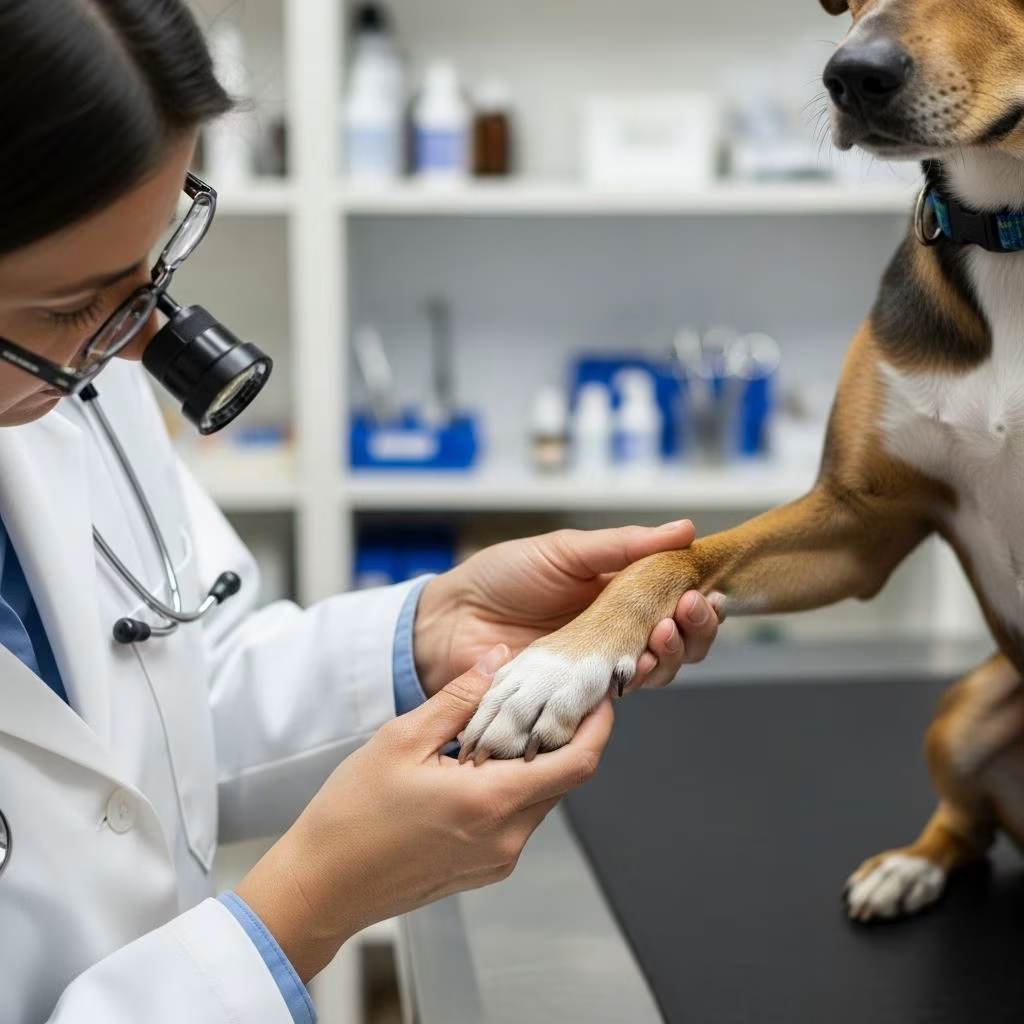
Selenium serves as an essential trace mineral for pets, supporting antioxidant functions and thyroid health, but excessive intake leads to toxicity known as selenosis, affecting dogs, cats, and other animals through acute or chronic exposure from supplements, contaminated feed, or accidental ingestion.
The Dual Nature of Selenium in Animal Nutrition
Selenium is vital for pets in small quantities, aiding enzymes like glutathione peroxidase that combat oxidative stress. Regulatory bodies such as the Association of American Feed Control Officials (AAFCO) set minimum requirements at 0.35 mg/kg dry matter for dog food in growth, reproduction, and adult maintenance stages. For dogs, the European Pet Food Industry Federation (FEDIAF) recommends a minimum of 8.25 µg Se/kg body weight^0.75^, often aligned with cat data due to limited dog-specific studies.
However, the narrow therapeutic window means overdoses occur easily. The FDA mandates a maximum of 0.3 µg/g in animal feeds, with species-specific tolerable limits: 2 µg/g for dogs and cats, and 5 µg/g for ruminants. Exceeding these thresholds, particularly via sodium selenite supplements, risks severe health issues, as this inorganic form is classified highly toxic in toxicity trials.
Sources of Selenium Overexposure in Companion Animals
Common pathways include commercial pet foods exceeding safe levels, accidental ingestion of human selenium tablets or shampoos, and overuse of livestock supplements. While rare in pets, selenium toxicosis follows ingestion of high-selenium shampoos or tablets, with severity tied to dose and duration.
Sodium selenite, prevalent in many pet foods, raises concerns due to its toxicity profile. Studies link long-term exposure to liver and spleen damage. Organic forms like selenium yeast offer safer alternatives, approved by FDA for dog food but not yet for cats, prompting calls for regulatory updates.
In one case, a 35-pound dog ingesting a full tube of selenium supplement faced risks of gastrointestinal and neurological distress, underscoring the need for immediate veterinary intervention.
Clinical Manifestations of Acute Selenium Poisoning
Acute selenosis arises from high single doses, such as subcutaneous sodium selenite injections. In dogs, 2 mg/kg proved lethal to 85% in experiments, causing nausea, vomiting, and respiratory distress before death; 1.5 mg/kg was less fatal. Symptoms in pets mirror this: vomiting, diarrhea, lethargy, tremors, and breathing difficulties.
Cardiac involvement is prominent, with lesions like myocardial pallor, epicardial, and endocardial hemorrhages observed in overdosed animals. Liver and kidney accumulation exacerbates damage, potentially leading to multi-organ failure if untreated.
Signs and Impacts of Chronic Selenium Toxicity
Chronic exposure, often from prolonged high-selenium diets, presents subtler but progressive signs. Dogs may show anorexia, emaciation, growth stunting, ascites, anemia, rough hair coat, and loose hair. Nails and hair loss, nausea, and a garlic-like breath odor are reported.
Hoof weakening occurs across species, making them prone to fractures under stress. In pets, weakened structural integrity affects mobility. Plasma selenium levels in adequately fed beagles range 2.90–4.31 µmol/L, but elevations signal toxicity.
| Group | Plasma/Se Serum (µmol/L) | Notes |
|---|---|---|
| Elderly Beagles (adequate diet) | 2.90–4.31 (mean 3.49) | Fed for 4 weeks |
| Harrier Hounds (high-Se cat diet) | Mean 3.50 | Slightly above EU limit |
Diagnostic Approaches for Suspected Selenosis
Diagnosis combines clinical signs, history of exposure, necropsy findings, and lab confirmation. Elevated selenium in serum, whole blood, tissues, feed, or forage is definitive. Plasma levels above normal ranges (e.g., >4.31 µmol/L) indicate excess.
Glutathione peroxidase activity assesses deficiency but is less reliable for toxicity. Necropsy reveals cardiac lesions, liver/spleen damage, and hoof abnormalities. No natural poisoning cases are documented in dogs, emphasizing iatrogenic or feed-related origins.
Treatment Protocols for Selenium Overdose
Acute cases demand rapid decontamination: induce vomiting if recent (under vet guidance), administer activated charcoal, and provide IV fluids for support. Symptomatic care addresses vomiting, diarrhea, and organ protection with antioxidants like vitamin E, which aids recovery in selenium-supplemented cases.
Chronic toxicity requires removing the source, nutritional rebalancing, and monitoring. Prognosis improves with early intervention; delays risk irreversible damage. In Sarcoptes or leishmaniosis infections, selenium aids but excess harms.
Regulatory Guidelines and Safe Intake Limits
| Authority | Minimum (Dogs) | Maximum (Dogs/Cats) | Notes |
|---|---|---|---|
| AAFCO | 0.35 mg/kg DM | 2 mg/kg DM (dogs) | Growth/adult |
| FDA | – | 0.3 µg/g feed | All animal feeds |
| FEDIAF | 8.25 µg/kg BW^0.75^ | – | Based on cat data |
| NOAEL (Sel-Plex) | – | 60–200 µg/kg/day | Organic Se in beagles |
These benchmarks guide manufacturers. EPA-derived safe human intake scales to ~0.21 mg/day for a 30-lb dog, lower than AAFCO’s 0.57 mg/day caloric max.
Prevention Strategies for Pet Owners and Breeders
- Choose AAFCO-compliant foods verified for selenium content.
- Avoid human supplements; secure livestock products.
- Monitor for early signs like GI upset or coat changes.
- Test suspicious feeds; report high levels to FDA/state agriculture.
- Advocate selenium yeast over sodium selenite, especially for cats.
Balanced diets prevent both deficiency and excess. Vitamin E co-supplementation mitigates risks.
Research Insights on Selenium in Canine Health
Systematic reviews confirm no natural selenosis in dogs; experimental data drives understanding. Infected dogs (e.g., leishmaniosis) show lower plasma selenium, highlighting deficiency risks in illness. Toxicity studies establish NOAEL for organic selenium at 60–200 µg/kg/day, far safer than inorganic salts.
Frequently Asked Questions
What are the first signs of selenium poisoning in dogs?
Vomiting, diarrhea, lethargy, tremors, and breathing issues signal acute toxicity; chronic cases involve hair loss, poor appetite, and weakness.
Can cats get selenium toxicity from dog food?
Yes, shared foods or high-selenium diets pose risks, as cats have similar 2 µg/g limits but no AAFCO max.
How do I test my pet for selenium levels?
Vets measure serum/plasma selenium; levels >4 µmol/L suggest excess. Feed analysis confirms sources.
Is selenium yeast safer than sodium selenite?
Organic forms like yeast have higher NOAELs and FDA approval for dogs, reducing toxicity risks.
What should I do if my pet eats a selenium supplement?
Contact a vet immediately for decontamination and monitoring; do not induce vomiting without advice.
References
- Selenium and Dogs: A Systematic Review — PMC/NCBI. 2021-02-24. https://pmc.ncbi.nlm.nih.gov/articles/PMC7915357/
- Selenium Poisoning – Special Pet Topics — MSD Veterinary Manual. 2023. https://www.msdvetmanual.com/special-pet-topics/poisoning/selenium-poisoning
- Selenium Poisoning – Special Pet Topics — Merck Veterinary Manual. 2023. https://www.merckvetmanual.com/special-pet-topics/poisoning/selenium-poisoning
- Selenium Toxicosis in Animals – Toxicology — Merck Veterinary Manual. 2023. https://www.merckvetmanual.com/toxicology/selenium-toxicosis/selenium-toxicosis-in-animals
- Selenium and Dogs: A Systematic Review — PubMed. 2021-01-29. https://pubmed.ncbi.nlm.nih.gov/33562028/
- Dog Swallowed Selenium Supplement — Dialavet. 2023. https://www.dialavet.com/vet-answers/dog-swallowed-selenium-supplement-376860



