

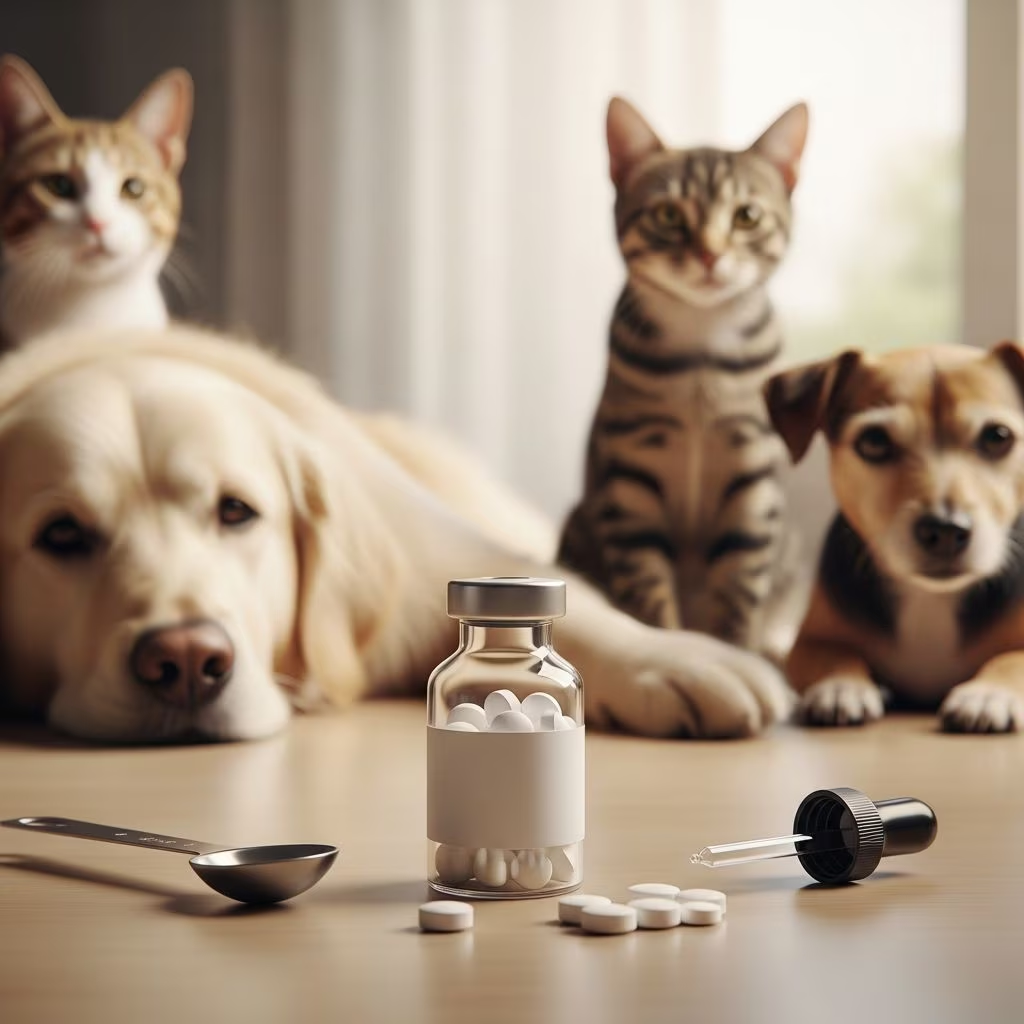
Understanding Selegiline for Pets
Selegiline is a monoamine oxidase inhibitor (MAOI type B) medication that has become an important therapeutic option for managing cognitive and endocrine conditions in aging pets. Also known by brand names such as Anipryl and Eldepryl, selegiline works by increasing the concentration of neurotransmitters in the brain and modifying various behavioral and physiological processes in dogs and cats. This medication has proven particularly valuable for veterinarians treating senior pets experiencing age-related mental decline or hormonal imbalances.
Primary Uses of Selegiline in Veterinary Medicine
Selegiline addresses two primary conditions in companion animals, each presenting unique challenges for aging pets and their owners.
Canine Cognitive Dysfunction Syndrome (CDS)
Canine Cognitive Dysfunction Syndrome represents the most common use of selegiline in veterinary practice. This condition, sometimes referred to as “senility” in older dogs, manifests as progressive mental deterioration affecting memory, awareness, and behavioral patterns. Dogs with CDS often experience disorientation, disrupted sleep-wake cycles, house-training regression, and changes in social interaction. Selegiline helps restore cognitive function by preserving dopamine availability in the brain, which naturally declines with age. The medication has demonstrated efficacy in improving alertness, memory, and overall quality of life in senior canines, allowing them to maintain better engagement with their families during their golden years.<>
Cushing’s Disease (Hyperadrenocorticism)
Selegiline is also employed off-label for treating Cushing’s disease in dogs, a condition characterized by excessive cortisol production. While the medication’s effectiveness for this indication remains somewhat controversial among veterinarians, some practitioners recommend it as an alternative approach, particularly for dogs who cannot tolerate other treatments or as a complementary therapy.<>
Selegiline Dosage Guidelines for Dogs and Cats
Proper dosing is essential for maximizing therapeutic benefits while minimizing potential adverse effects. Dosage recommendations vary based on the specific condition being treated and the individual pet’s response to therapy.
Canine Cognitive Dysfunction Dosing
For dogs with cognitive dysfunction, the standard recommended dose ranges from 0.5 to 1.0 mg per kilogram of body weight, administered once daily.<> Morning administration is strongly preferred, as the medication’s stimulating properties help maintain alertness and mental engagement throughout the day rather than causing restlessness at night. Dogs should initially be dosed to the nearest whole tablet, with adjustments made based on individual response and tolerance.<>
Cushing’s Disease Dosing
Dogs being treated for Cushing’s disease typically start at 1.0 mg per kilogram of body weight daily.<> If no improvement is observed after two months of therapy, the dosage may be increased to a maximum of 2.0 mg/kg daily. Veterinarians should re-evaluate the dog after one month at the higher dose to determine ongoing suitability of treatment.<>
Feline Dosing
Selegiline is used off-label in cats with cognitive dysfunction at doses ranging from 0.25 to 1.0 mg per kilogram of body weight once daily.<> Cats are often dosed at night rather than in the morning, differing from canine protocols. The lower end of this dosing range is frequently employed due to feline sensitivity to medications.
Available Formulations and Delivery Methods
Selegiline is available in multiple formulations to accommodate different pet needs and owner preferences.<>
Tablet Forms
Standard selegiline tablets are available in several strengths including 2 mg, 5 mg, 10 mg, 15 mg, and 30 mg formulations. For smaller dogs or cats requiring lower doses, oral dispersible tablets are available as 1.25 mg (marketed as Zelapar), which may be easier to portion and administer to pets with difficulty swallowing traditional tablets.<>
Alternative Delivery Options
For pets resistant to tablet administration, veterinary compounding pharmacies can formulate flavored liquid versions of selegiline that are administered orally. Additionally, transdermal patches are available in 6 mg/24 hours, 9 mg/24 hour, and 12 mg/24 hour strengths for pets requiring alternative delivery methods, though patches are less commonly used in routine practice.<>
Administration Recommendations
How to Give Selegiline
Selegiline should be administered orally once daily, preferably in the morning to optimize cognitive benefits during waking hours. The medication can be given with or without food, providing flexibility in administration schedules.<> For pets reluctant to swallow tablets, several strategies can improve compliance:
– Wrap tablets in soft treats or commercial pill pockets
– Mix powdered medication (if available from compounding pharmacies) with food
– Administer with a small amount of wet food or broth
– Use flavored liquid formulations when available
Monitoring and Dose Adjustments
After initiating selegiline therapy, veterinarians should monitor the pet’s response to treatment closely. Dosage adjustments may be necessary to ensure maximum therapeutic benefit with minimal side effects. Pet owners should maintain regular communication with their veterinarian regarding any observed changes in behavior, activity level, or side effects. Dogs should be re-evaluated at appropriate intervals, typically around two months after starting therapy for CDS, to assess treatment efficacy and determine if dose modifications are warranted.<>
Timeline for Therapeutic Response
Understanding realistic expectations for medication response helps pet owners maintain appropriate treatment duration and dosing compliance. The onset of selegiline’s effects varies considerably among individual animals.<>
Early improvements may become apparent within 3 to 7 days of starting treatment, with pets demonstrating increased brightness, alertness, and engagement. However, full cognitive benefits typically require a longer treatment period, often taking 4 to 6 weeks to manifest completely. Some pets may require 8 to 12 weeks of continuous therapy before maximum improvement is observed. Given this extended timeline, premature discontinuation of medication can result in incomplete therapeutic benefit. Owners should be counseled to maintain consistent dosing for at least 4 to 6 weeks before expecting significant improvement, though some dogs begin showing positive changes sooner.<>
Potential Side Effects and Safety Considerations
While selegiline is generally well-tolerated at recommended dosages, certain adverse effects may occur, particularly at elevated doses or in sensitive individuals.
Common Side Effects
Gastrointestinal effects are among the most frequently reported side effects, including nausea, vomiting, diarrhea, and decreased appetite. Some pets may experience increased vocalization, restlessness, or anxiety, particularly if dosed too late in the day. Urinary incontinence has been reported in some patients, though this may also reflect underlying age-related changes. Insomnia or sleep disturbances can occur if medication is administered too late in the evening.
Safety Profile at Recommended Doses
Laboratory safety studies demonstrated that selegiline is safe at the recommended dose range of 0.5–2.0 mg/kg when administered to healthy adult dogs for extended periods.<> At doses 1.5 to 3 times the maximum recommended daily dose, statistically significant clinical observations included increased salivation, decreased pupillary response, and decreased body weight despite normal to increased feed consumption. These findings underscore the importance of maintaining appropriate dosing and not exceeding veterinarian-recommended amounts.
Drug Interactions and Contraindications
Selegiline should not be administered concurrently with other MAOI medications or certain antidepressants (particularly SSRIs) without explicit veterinary approval, as dangerous interactions may occur. Pets with uncontrolled diabetes, cardiac disease, or hypertension may require careful monitoring during selegiline therapy. Pre-treatment bloodwork is often recommended, particularly for senior pets, to ensure organ function is adequate for medication metabolism.
Monitoring Your Pet During Treatment
Successful selegiline therapy requires active partnership between veterinarians and pet owners. Regular monitoring allows for timely identification of therapeutic benefits or adverse effects.
What to Track
Owners should maintain detailed observations of their pet’s cognitive status, including changes in:
– Awareness and responsiveness to familiar people and environment
– Activity level and engagement in play or interaction
– Sleep-wake cycle normalization
– House-training status
– Appetite and water consumption
– Any gastrointestinal symptoms or behavioral changes
– Energy levels throughout the day
Veterinary Follow-Up
Regular veterinary evaluations should be scheduled to assess treatment response. Initial follow-up appointments are typically recommended at 4 to 6 weeks after starting therapy, with subsequent monitoring based on individual patient response. Bloodwork may be repeated periodically to ensure continued safe use of the medication, particularly in pets with underlying health conditions.
Special Considerations for Senior Pets
Senior pets receiving selegiline often have concurrent health conditions requiring coordinated medication management. Veterinarians must carefully evaluate overall health status, current medications, liver and kidney function, and cardiovascular health before initiating selegiline therapy. Regular monitoring becomes increasingly important in older animals, as age-related changes in drug metabolism can affect medication efficacy and safety.
Frequently Asked Questions About Selegiline
Q: How long should my pet stay on selegiline?
A: Treatment duration depends on your pet’s condition and response. For cognitive dysfunction, many pets benefit from long-term therapy to maintain cognitive improvements. Your veterinarian will help determine the appropriate treatment duration based on ongoing assessment of your pet’s condition and quality of life.
Q: Can I stop selegiline suddenly if my pet isn’t responding?
A: No. Allow at least 4 to 6 weeks of consistent therapy before assessing response, as full therapeutic benefits require time to develop. Discontinuing prematurely prevents you from observing maximum benefit. Consult your veterinarian before making any changes to the medication regimen.
Q: What should I do if I miss a dose?
A: Give the missed dose as soon as you remember, unless it is almost time for the next scheduled dose. Never double-dose to make up for a missed administration. Maintain as consistent a dosing schedule as possible for optimal results.
Q: Is selegiline safe for very elderly pets?
A: Selegiline can be beneficial for elderly pets, but pre-treatment bloodwork is recommended to assess organ function. Your veterinarian will determine if selegiline is appropriate based on your senior pet’s overall health status and concurrent medical conditions.
Q: Can selegiline be used with other medications?
A: Many pets on selegiline take other medications successfully, but certain drug combinations are contraindicated. Always inform your veterinarian about all medications and supplements your pet is receiving before starting selegiline.
Q: What if my pet shows no improvement after several weeks?
A: Some pets respond more slowly to therapy, with maximum benefits emerging only after 8 to 12 weeks. If minimal improvement occurs after this extended period, your veterinarian may adjust the dose or explore alternative treatment approaches.
Conclusion
Selegiline represents an important therapeutic option for aging pets struggling with cognitive decline or certain endocrine disorders. By understanding proper dosing, administration techniques, expected timelines for improvement, and potential side effects, pet owners can work effectively with their veterinarians to optimize their senior pet’s quality of life. Regular monitoring, open communication with your veterinary team, and patience during the treatment period are essential components of successful selegiline therapy. While no medication can halt the aging process entirely, selegiline offers many senior pets the opportunity to maintain mental sharpness, engagement, and overall well-being during their later years.
References
- The Vet’s 2025 Guide to Selegiline: Uses, Dosage & Pet Care — Ask a Vet. 2025-11-01. https://askavet.com/blogs/news/the-vet-s-2025-guide-to-selegiline
- Selegiline for Dogs: Uses, Dosage, and Side Effects — GoodRx Pet Health. 2025. https://www.goodrx.com/pet-health/dog/selegiline-for-dogs
- Management of Dogs and Cats With Cognitive Dysfunction — Today’s Veterinary Practice. 2024-2025. https://todaysveterinarypractice.com/neurology/management-of-dogs-and-cats-with-cognitive-dysfunction/
- Label: ANIPRYL- selegiline hydrochloride tablet — DailyMed, National Library of Medicine. 2024. https://dailymed.nlm.nih.gov/dailymed/drugInfo.cfm
- Selegiline HCl (Anipryl, Eldepryl) for Dogs and Cats — Pet Place. 2024. https://www.petplace.com/article/drug-library/library/selegiline-hcl
- ANIPRYL Prescribing Information — Zoetis US. 2024. https://www.zoetisus.com/content/_assets/docs/vmips/package-inserts/anipryl-prescribing-information.pdf



