

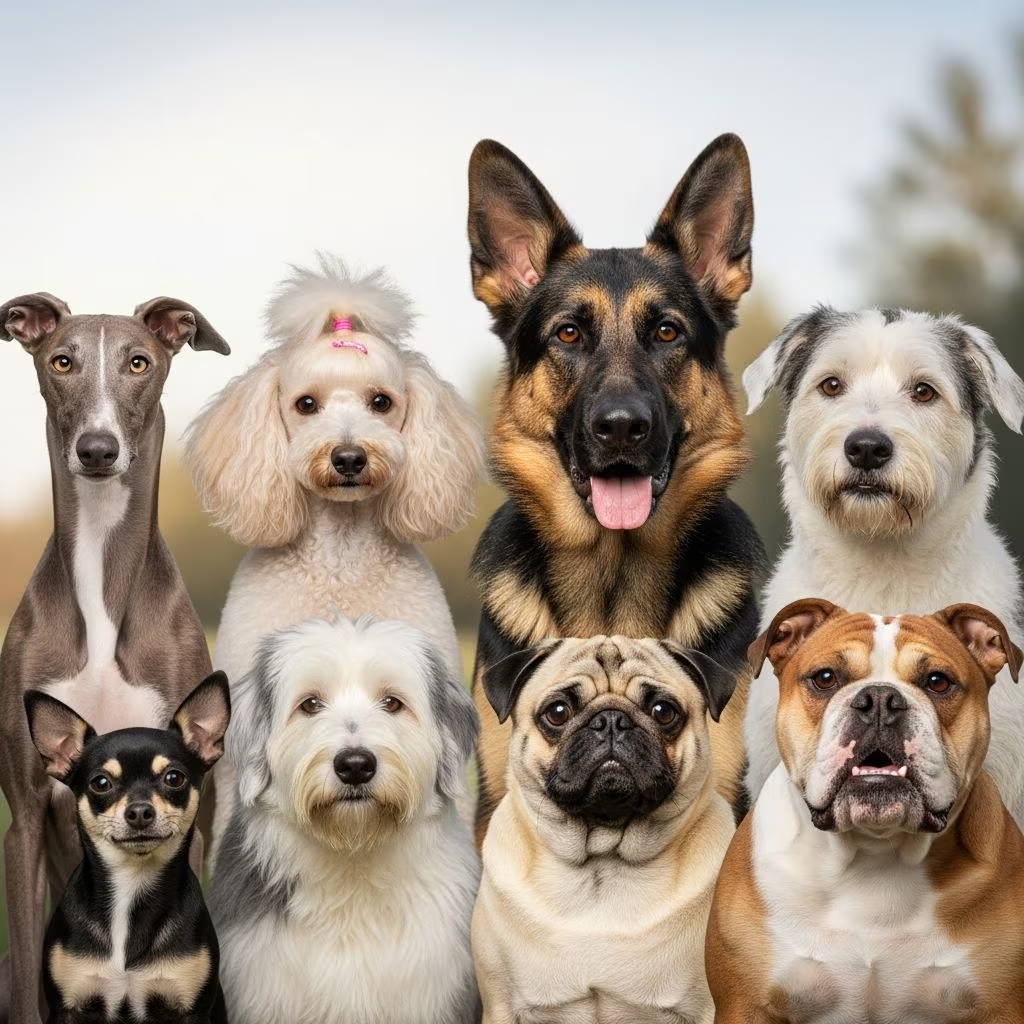
Selective breeding has transformed dogs from wild wolves into the diverse companions we know today, tailoring them for tasks like herding, hunting, and companionship. However, this practice often prioritizes appearance over vitality, leading to widespread health complications that affect millions of dogs worldwide.
The Origins and Evolution of Dog Breeding Practices
Humans began selectively breeding dogs thousands of years ago to enhance desirable qualities for specific roles. Early efforts focused on functionality, producing sturdy herders and agile hunters from ancestral wolf populations. Over centuries, this intentional mating evolved into formalized breed standards enforced by kennel clubs, emphasizing physical uniformity.
Today, over 300 recognized breeds exist, each with distinct morphologies resulting from targeted genetic selection. While this diversity enriches our lives, it has narrowed gene pools in many lines, amplifying vulnerabilities. Genetic bottlenecks—periods of reduced population size—further concentrate harmful mutations, as seen in popular show breeds.
Key Benefits of Intentional Breeding Strategies
When conducted thoughtfully, selective breeding yields profound advantages. It refines temperaments suited to family life, enhances working abilities, and preserves cultural heritage in breeds like the Border Collie for sheepdog trials or the Labrador Retriever for service roles.
- Task Specialization: Breeds like the German Shepherd excel in police work due to heightened intelligence and drive, honed through generations of selection.
- Temperament Consistency: Family-oriented breeds such as Golden Retrievers consistently display gentle, trainable natures.
- Size and Structure Adaptations: Small breeds like Chihuahuas suit urban apartments, while large ones like Great Danes provide protection.
These traits stem from careful pairing that promotes hybrid vigor in balanced programs, improving overall resilience when health screening is prioritized.
Health Pitfalls Stemming from Extreme Trait Selection
Exaggerated features, prized in conformation shows, frequently compromise canine physiology. Brachycephalic breeds—those with short snouts like Pugs and French Bulldogs—suffer from brachycephalic obstructive airway syndrome (BOAS), causing chronic breathing struggles, overheating, and exercise intolerance. This conformation also heightens risks for eye disorders, spinal issues, and difficult births (dystocia).
Orthopedic woes plague breeds with disproportionate builds. Dachshunds’ elongated spines predispose them to intervertebral disc disease, often resulting in paralysis, while German Shepherds’ sloped hindquarters contribute to hip dysplasia and degenerative myelopathy. Heart conditions, including dilated cardiomyopathy (DCM), afflict Dobermans, Boxers, and Cavalier King Charles Spaniels, manifesting as coughing, fatigue, and sudden collapse.
| Breed Example | Exaggerated Trait | Associated Health Issues |
|---|---|---|
| Bulldog | Flat face, stocky build | BOAS, skin infections, heatstroke |
| Dachshund | Long body, short legs | Back pain, disc herniation |
| Cavalier King Charles Spaniel | Small skull | Chiari malformation, syringomyelia, mitral valve disease |
| German Shepherd | Sloped back | Hip dysplasia, elbow issues |
Inbreeding, common to maintain ‘pure’ lines, exacerbates these problems by increasing homozygosity for recessive defects. This leads to reduced fertility, weakened immunity, and shorter lifespans, with studies showing inbred dogs averaging years less than outbred counterparts.
Behavioral Consequences of Morphological Priorities
Breeders’ focus on aesthetics often sidelines temperament, yielding dogs prone to anxiety, aggression, and poor trainability. Popular breeds paradoxically exhibit higher rates of owner-directed aggression and separation distress, undermining their companionship value.
Neurological quirks emerge too, such as ‘fly-catching’ in certain lines or epilepsy, linked to limited genetic diversity. Stress responses intensify in affected dogs, with exaggerated fear, impaired socialization, and cognitive deficits reducing life quality. Floppy ears, bred for cuteness, trap moisture and foster chronic infections, illustrating how non-functional traits burden welfare.
The Role of Breed Standards and Show Culture
Kennel club standards dictate ideal forms, rewarding extremes that judges favor in competitions. This perpetuates cycles where health-eroding traits win ribbons, influencing breeding decisions. German Shepherds with ‘flying trots’ from steep angulations exemplify how show preferences override functionality.
Popularity fuels demand for trendy breeds, spurring unregulated mills that overcrowd dams in filthy conditions, birthing puppies with lifelong scars—physical and psychological. Rare color morphs or ‘teacup’ sizes command premiums, despite frailty.
Genetic Diversity Loss and Inbreeding Depression
Closed registries limit outcrossing, creating echo chambers of deleterious alleles. Inbreeding depression manifests as sperm abnormalities, congenital anomalies, and vulnerability to novel pathogens. Genetic load accumulates, with breeds like the Bulldog facing sustainability crises due to infertility and frailty.
Crossbreeding offers relief, injecting vigor to dilute defects, but ‘designer’ hybrids like Labradoodles falter without rigorous parent screening. Responsible outcrossing, as trialed in Cavalier programs, demands data-driven mate selection.
Ethical Imperatives in Modern Canine Reproduction
Breeding defects for profit raises profound moral questions. Cosmetic surgeries to ‘perfect’ features—tail docking, ear cropping—inflict pain without benefit, while ignoring behavioral health erodes dogs’ emotional lives. Stakeholders must pivot: owners research lineages, vets advocate screenings, clubs revise standards, and lawmakers curb extremes.
Health testing protocols—hips, elbows, hearts, eyes—via OFA or PennHIP registries are non-negotiable. Transparency in pedigrees empowers informed adoptions.
Promising Paths Toward Healthier Breeding Futures
Reform movements gain traction. The Kennel Club’s Assured Breeder Scheme mandates tests; genomic tools like Embark DNA kits map risks pre-breeding. Outcrossing initiatives in brachycephalic lines aim to lengthen muzzles without losing type.
Prospective owners champion change by favoring ethical breeders over mills, prioritizing function over fashion. Mixed breeds from screened parents often outlive purebreds, boasting hybrid robustness.
Frequently Asked Questions
What is selective breeding in dogs?
Selective breeding involves mating dogs with preferred traits to amplify them in offspring, shaping modern breeds but risking health if unbalanced.
Which breeds suffer most from breeding-related issues?
Brachycephalics (Pugs, Bulldogs), sighthounds with spinal risks (Dachshunds), and heart-prone toys (Cavaliers) top the list.
How can I choose a healthy puppy?
Seek breeders providing health clearances, avoid impulse buys, and consider rescues or vetted crosses.
Is crossbreeding always healthier?
Not inherently; success hinges on parental health screens, not novelty.
What role do kennel clubs play?
They set standards but face criticism for enabling extremes; reforms prioritize welfare.
References
- Ethical Concerns about Fashionable Dog Breeding — PMC – NIH. 2024. https://pmc.ncbi.nlm.nih.gov/articles/PMC10930939/
- Breed Related Health Difficulties in Dogs — Animal Osteopathy College. 2023. https://www.animalosteopathycollege.com/blog/breed-related-health-difficulties-in-dogs
- How Selective Breeding Has Changed Dogs — The Training of Dogs. 2024. https://www.thetrainingofdogs.com/post/how-selective-breeding-changed-dogs
- Common Breed-Related Health Problems in Pets — East Wind Animal Hospital. 2023. https://eastwindanimalhospital.com/common-breed-related-health-problems-in-pets-what-owners-need-to-know/
- The Background of Genetic Disorders in Dog Breeds — Four Paws USA. 2024. https://www.fourpawsusa.org/campaigns-topics/topics/companion-animals/the-background-of-genetic-disorders-in-dog-breeds



