
Selecting Top-Tier Essential Oils for Pet Wellness
Discover how to choose pure, high-quality essential oils safe for your dog's health and therapeutic needs without falling for misleading labels.
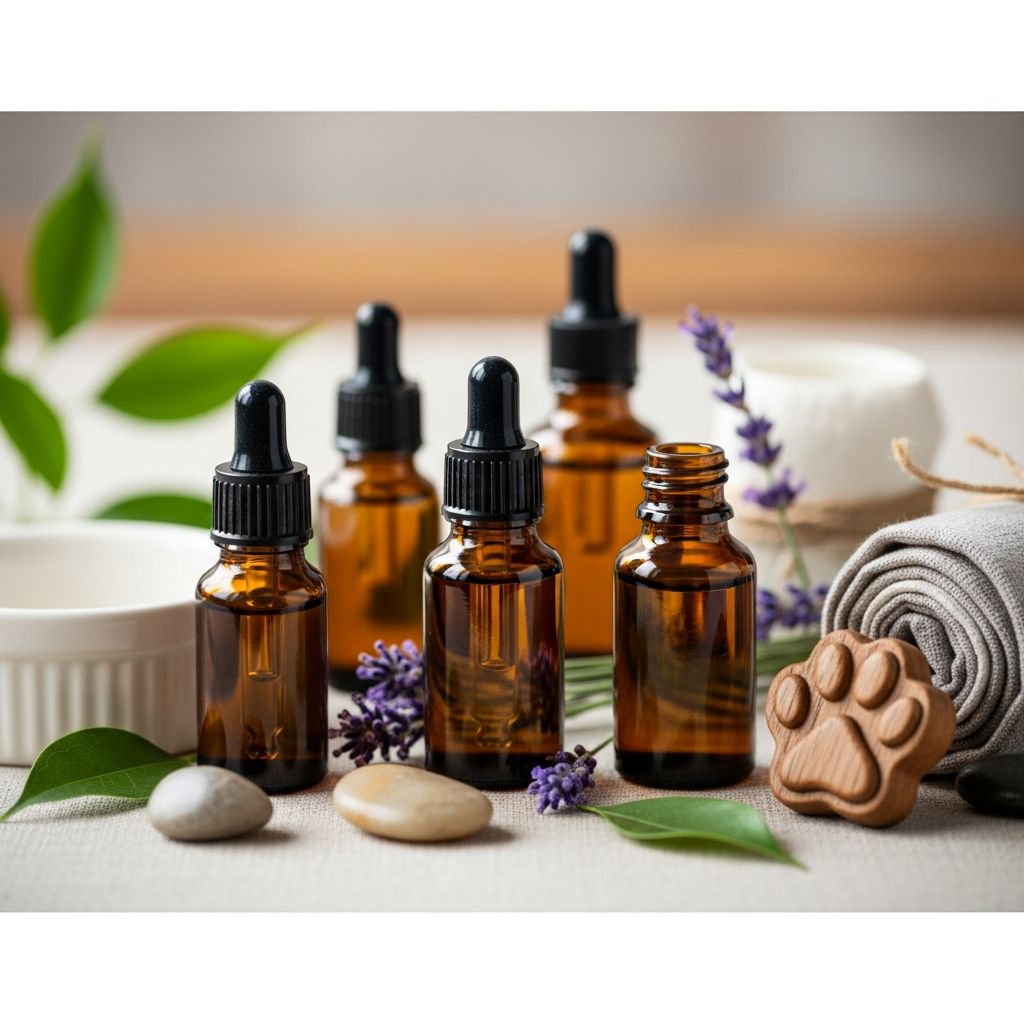
Essential oils offer promising benefits for canine health when used correctly, from soothing anxiety to supporting skin conditions. However, not all products deliver true therapeutic value, especially for pets sensitive to impurities. This guide empowers dog owners to discern genuine, high-quality oils through verifiable standards and smart shopping strategies.
Understanding Essential Oil Grades and What They Imply
The essential oil market features various grades, but confusion abounds due to unregulated terminology. High-quality oils for therapeutic pet use must prioritize purity over mere fragrance appeal.
- Pure-grade oils: Distilled directly from plants without additives, ideal for aromatherapy but potentially carrying traces of farming chemicals if not organic.
- Certified organic oils: Sourced from pesticide-free plants, offering cleaner profiles and higher potency for pet applications.
- Synthetic or commercial grades: Often diluted or chemically enhanced, unsuitable for health-focused canine care.
Terms like “Grade A” or “food grade” vary by supplier and lack universal backing, emphasizing the need for objective verification over branded claims.
Why Purity Matters More for Dogs Than Humans
Dogs possess highly sensitive olfactory systems and metabolize compounds differently, making pure oils essential to prevent toxicity or irritation. Impure oils with synthetic extenders can exacerbate allergies or cause digestive upset in pets.
| Grade Type | Purity Level | Suitable for Pets? | Common Uses |
|---|---|---|---|
| Pure Therapeutic | High (100% plant-derived) | Yes, with dilution | Aromatherapy, topical blends |
| Food Grade | Medium (may include carriers) | Limited, vet-approved only | Flavoring (not primary for pets) |
| Perfume Grade | Low (synthetics common) | No | Fragrance only |
Opt for oils tested to confirm absence of contaminants, as pet skin absorbs substances rapidly.
Key Testing Methods That Guarantee Oil Integrity
Reliable suppliers provide lab reports from independent tests to validate composition. These methods reveal authenticity and adulteration invisible to the naked eye.
- Gas Chromatography-Mass Spectrometry (GC/MS): Identifies chemical compounds, matching the oil to its plant blueprint and detecting fillers.
- Fourier Transform Infrared Spectroscopy (FTIR): Creates a structural fingerprint to ensure the oil remains unaltered post-distillation.
- High-Performance Thin Layer Chromatography (HPTLC): Visualizes impurities by comparing against pure standards.
Batch-specific GC/MS reports are crucial, as they detail constituent levels influencing therapeutic effects like anti-inflammatory properties in lavender oil for dogs.
Decoding Labels: Certifications to Trust and Avoid
Labels often mislead with vague promises. Focus on third-party validations rather than proprietary buzzwords.
Trustworthy indicators:
- Certified organic seals from bodies like USDA or ECOCERT, confirming no chemical residues.
- Good Manufacturing Practices (GMP) certification for contamination-free production.
- 100% pure statements backed by full ingredient disclosure.
Marketing traps:
- “Therapeutic grade” or “CPTG” – Unregulated terms without independent oversight.
- “Medical grade” – No legal definition in cosmetics or pet products.
Wildcrafted oils from unsprayed regions add value but require GC/MS confirmation.
From Farm to Bottle: Tracing the Supply Chain
Quality begins with ethical sourcing. Superior oils come from specific plant species grown in optimal conditions, like true peppermint (Mentha piperita) over cheaper variants.
- Plant selection: Right chemotype ensures bioactive potency.
- Distillation: Low-temperature steam methods preserve volatiles.
- Storage: Dark glass bottles prevent light degradation.
Companies disclosing grower partnerships and regional origins build trust, as organic farming correlates with intact biochemistry.
Safe Application Guidelines for Canine Aromatherapy
Even premium oils demand caution with dogs. Always dilute in carrier oils (1-2% for adults) and perform patch tests.
- Diffuse in well-ventilated areas, starting low.
- Avoid ingestion unless vet-formulated.
- Consult professionals for breeds prone to sensitivities, like brachycephalics.
Popular safe options include chamomile for calming and frankincense for joint support, verified pure via testing.
Spotting Red Flags in Retail Products
Steer clear of bargains signaling dilution: unusually low prices, missing batch numbers, or aroma inconsistencies.
Reputable vendors offer transparency tools like online GC/MS libraries, refund policies, and educational resources. Compare multiple reports to benchmark against industry norms.
Building Your Essential Oil Toolkit for Pets
Start with versatile staples: lavender, cedarwood, and ginger, prioritizing organic, tested sources. Track responses in a pet journal to refine usage.
Invest in quality over quantity – a 5ml bottle of verified oil outlasts and outperforms larger impure volumes.
Frequently Asked Questions
Are all ‘pure’ essential oils safe for dogs?
No. Purity ensures no additives, but potency requires dilution and species-specific safety checks. Tea tree oil, for instance, can be toxic undiluted.
What if a brand claims ‘therapeutic grade’?
Treat as marketing until GC/MS or organic certification proves it. Independent testing trumps labels.
How do I verify GC/MS reports?
Look for batch numbers matching your bottle, clear compound lists, and third-party lab names. Consult aromatherapists for interpretation.
Can organic oils be synthetic-free guaranteed?
Yes, certification mandates chemical-free growth and processing, enhancing safety for pet topical use.
What’s the shelf life of quality oils?
1-3 years in proper storage; citrus notes shorter. Smell for rancidity before use.
References
- 5 Best Grades of Essential Oils – The Grading System — VedaOils. 2023. https://www.vedaoils.com/blogs/news/5-best-grades-of-essential-oils-the-grading-system
- Pursue What’s Pure: The CPTG Standard — doTERRA. 2024. https://www.doterra.com/US/en/the-cptg-standard
- Essential Oil Quality Grades — Aroma Shield. 2023. https://aromashield.com/pages/essential-oil-quality-grades
- Myth: ‘Therapeutic Grade’ Is A Real Certification — Edens Garden. 2024. https://www.edensgarden.com/blogs/news/is-there-a-grading-system-for-essential-oils-aaa
- What does it mean if an essential oil is ‘therapeutic grade’? — New Hope Network. 2023. https://www.newhope.com/retailers/what-does-it-mean-if-an-essential-oil-is-therapeutic-grade-
- What certifications should I look for to ensure purity and quality — Island Lavender. 2024. https://islandlavender.com/blogs/news/what-certifications-should-i-look-for-to-ensure-purity-and-quality
- How to Tell If Essential Oils Are Pure – Mother Earth News — Mother Earth News. 2015-09-01. https://www.motherearthnews.com/natural-health/determine-the-quality-of-essential-oils-part-2-zbcz1509/
Similar Articles








Read full bio of medha deb




