
Selecting Reliable Dog Ground Transport
Expert tips for choosing safe, stress-free ground transport services to relocate your dog with confidence and care.
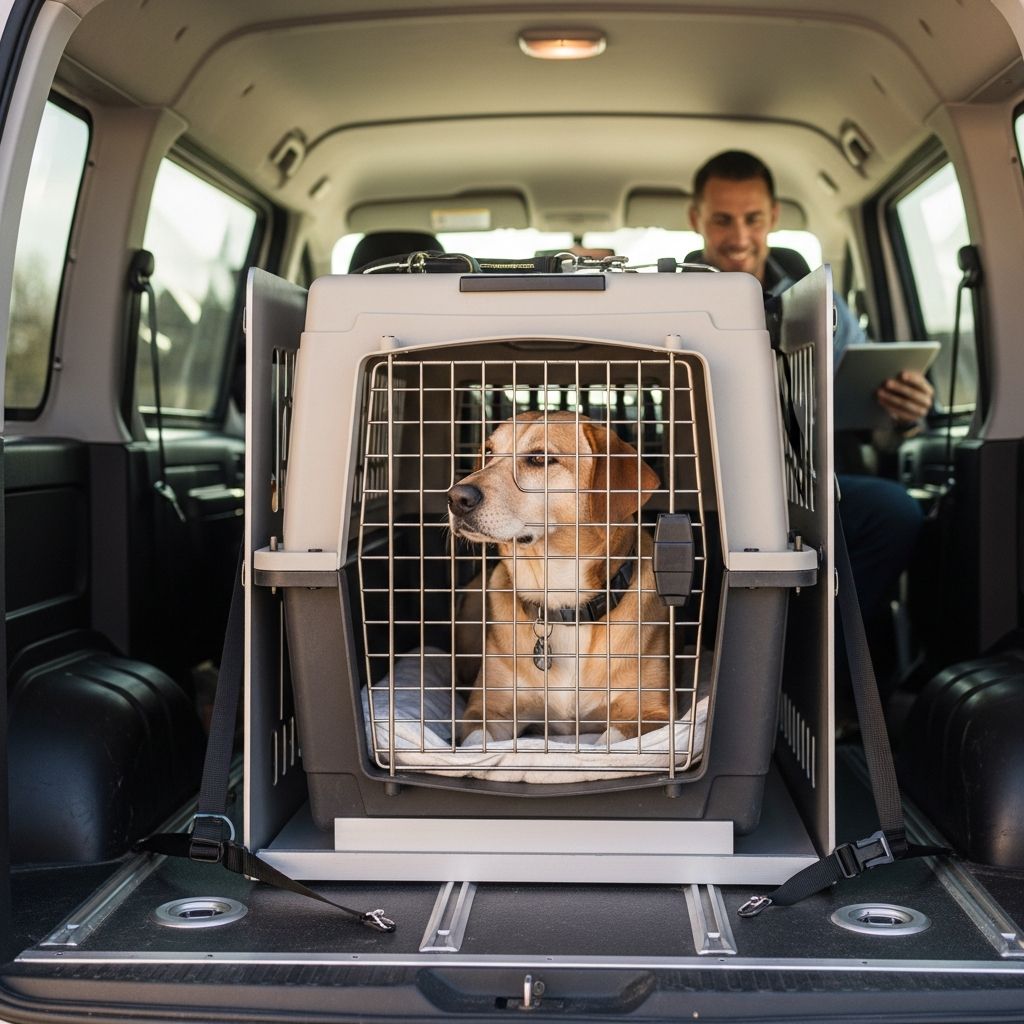
Ground transportation offers a practical alternative to air travel for moving dogs over long distances, providing a controlled environment with regular breaks and personalized care. This method prioritizes your dog’s comfort through climate-controlled vehicles and experienced handlers, making it suitable for pets sensitive to flying or needing frequent exercise.
Understanding Ground Transport Options for Dogs
Dog ground transport services vary to meet different needs and budgets, primarily falling into private and group categories. Private services dedicate a vehicle and driver exclusively to your dog or family pets, ensuring direct routes without exposure to unfamiliar animals. This setup allows for customized schedules, frequent stops every 2-4 hours for walks, water, and bathroom breaks, and the inclusion of familiar items like bedding or toys to reduce anxiety.
Group transports, conversely, combine multiple pets from different households in one vehicle, which can lower costs but may increase stress due to interactions with strangers. These rides often include more stops for pickups and drop-offs, extending travel time. Drivers in group services still provide essential care, but the dynamic requires careful evaluation of crate policies and socialization compatibility.
Vehicle types commonly used include sedans, SUVs, minivans, and cargo vans, all equipped with heating and air conditioning for year-round comfort. Dogs may ride crated or harnessed depending on the service and pet’s behavior, while cats typically remain crated throughout. Travel durations span 2-5 days for cross-country trips, with daily driving limited to 8-12 hours to prevent driver fatigue.
| Service Type | Pros | Cons | Best For |
|---|---|---|---|
| Private | Exclusive attention, direct route, customizable stops | Higher cost | Anxious or senior dogs |
| Group | More affordable, social for outgoing pets | Potential stress from other animals, more stops | Budget-conscious owners, social dogs |
Key Factors to Evaluate in a Transport Provider
Choosing a provider starts with verifying credentials like USDA/APHIS accreditation, which ensures compliance with federal animal welfare standards. Membership in organizations such as IPATA signals adherence to industry best practices for safety and ethics. Reputable companies offer door-to-door service, handling everything from pickup to delivery without requiring owner involvement en route.
- Driver Experience: Seek handlers trained in pet first aid, with backgrounds in veterinary assistance or professional pet care.
- Insurance Coverage: Confirm comprehensive policies for accidents, theft, and health issues during transit.
- Tracking and Communication: Real-time GPS updates and regular photo/video reports keep owners informed.
- Health Protocols: Pre-travel vet checks, vaccination verification, and quarantine options for international moves.
Geographic coverage matters too—many services operate across the U.S., Canada, and select international routes, using relay teams for efficiency on long hauls. Pricing typically factors distance, pet size, number of animals, and add-ons like crate rental or boarding during overnights.
Essential Questions to Ask Potential Services
To gauge reliability, prepare a list of targeted questions that reveal operational details and commitment to animal welfare. Inquire about daily driving limits to ensure rests, and stop frequencies tailored to your dog’s needs, such as every 2 hours for puppies.
- How many pets travel per vehicle, and are they from the same household?
- What are the contingency plans for weather delays, vehicle breakdowns, or pet illnesses?
- Can I specify feeding schedules, medication administration, or preferred crate types?
- Are overnight stays in pet-friendly hotels with secure crates provided?
- What documentation is required, like health certificates or microchip scans?
Request sample itineraries and references from recent clients. Transparent providers share driver profiles and vehicle maintenance logs, building trust.
Preparing Your Dog for a Smooth Ground Journey
Advance preparation minimizes stress and health risks. Schedule a vet exam 10-14 days prior to confirm fitness for travel, updating rabies vaccinations and obtaining a health certificate valid for 10 days. Microchipping aids identification if separation occurs.
Acclimate your dog to the travel crate weeks ahead using positive reinforcement—meals inside, short car rides building to longer ones. Pack a travel kit with 7-10 days of food (avoid sudden diet changes), medications, waste bags, grooming tools, and comfort items scented with home smells. Label everything clearly with your contact info.
Exercise your dog thoroughly before pickup to promote restful travel. Discuss sedation only if vet-recommended, as it can mask distress signals. For multi-day trips, confirm handlers follow your routine for meals and potty breaks.
Costs and Logistics of Dog Ground Shipping
Expect fees starting at $400 for consultation and planning, plus mileage-based transport rates—often $1-2 per mile for private services. Group options reduce this by 30-50%. Additional charges apply for large breeds, multiple pets requiring extra vehicles, or services like in-transit boarding ($50-100/night).
Book 4-6 weeks early for peak seasons (summer, holidays). Provide precise pickup/drop-off addresses, emergency contacts, and pet profiles including age, breed, temperament, and special needs. Digital contracts outline terms, refunds, and liabilities.
| Distance | Private Cost Estimate | Group Cost Estimate | Typical Duration |
|---|---|---|---|
| 500 miles | $800-$1,200 | $500-$800 | 1-2 days |
| 1,500 miles | $2,000-$3,000 | $1,200-$2,000 | 3-4 days |
| 3,000 miles | $4,000-$6,000 | $2,500-$4,000 | 5 days |
Safety Standards and Regulations Overview
Federal regulations mandate secure enclosures, temperature controls between 45-85°F, and no overcrowding. Services must log health checks at stops and report incidents to authorities. State laws may add requirements like commercial carrier licenses for interstate travel.
Opt for companies using GPS-equipped fleets for route optimization and parental portals for live monitoring. Post-arrival, monitor for dehydration or lethargy, easing reintegration with quiet downtime.
Common Pitfalls to Avoid When Hiring
Steer clear of unverified operators promising unrealistically low prices, as they often cut corners on driver vetting or vehicle upkeep. Beware services lacking clear refund policies or skipping background checks. Read independent reviews on platforms like BBB or Trustpilot, focusing on recent long-haul experiences.
Don’t overlook seasonal risks—winter ice demands heated crates, summer heat requires shaded stops. Insist on written guarantees for direct service unless group travel suits your dog.
FAQs: Dog Ground Transport Essentials
Q: Is ground transport safer than flying for dogs?
A: Often yes, due to no airport stress, regular exercise, and attentive care, especially for brachycephalic breeds.
Q: Do dogs need to be crated during ground travel?
A: Policies vary; comfortable dogs may use harnesses, but crating ensures safety during sudden stops.
Q: How do I handle international ground moves?
A: Select providers experienced in border crossings, with import/export paperwork support.
Q: What if my dog gets sick en route?
A: Top services have vet networks for immediate care and transfer options.
Q: Can puppies or seniors use ground transport?
A: Yes, with adjusted schedules—more frequent stops for pups, gentler handling for elders.
Real-World Success Tips from Pet Owners
Many report smoother relocations with private transports for reactive dogs, praising frequent updates. For groups, pre-screening compatible pets helps. Always trial short local rides first to test your dog’s tolerance.
References
- Ground Transport — Signature Pet Transport — Signature Pet Transport. Accessed 2026. https://www.signaturepettransport.com/ground
- Group & Private Dog Transportation Services – TLC Pet Transport — TLC Pet Transport. Accessed 2026. https://www.tlcpettransport.com/dog-services/
- Ground Transportation 101 | PetRelocation — PetRelocation. Accessed 2026. https://www.petrelocation.com/blog/post/ground-transportation-101
- Everything You Need to Know About Pet Ground Transportation — WorldCare Pet. 2025-04-23. https://worldcarepet.com/2025/04/23/pet-ground-transportation/
- Dog Transportation Options – Airpets International — Airpets International. Accessed 2026. https://airpetsinternational.com/dog-transportation-options/
- Pet Ground Shipping FAQs | Happy Tails Travel — Happy Tails Travel. Accessed 2026. https://www.happytailstravel.com/faqs/ground-travel-faqs
- How to Choose the Best Pet Transport Service for Your Dog or Cat — Petworks. Accessed 2026. https://www.petworks.com/articles/evaluate-pet-transport-services/
Similar Articles








Read full bio of Sneha Tete




