

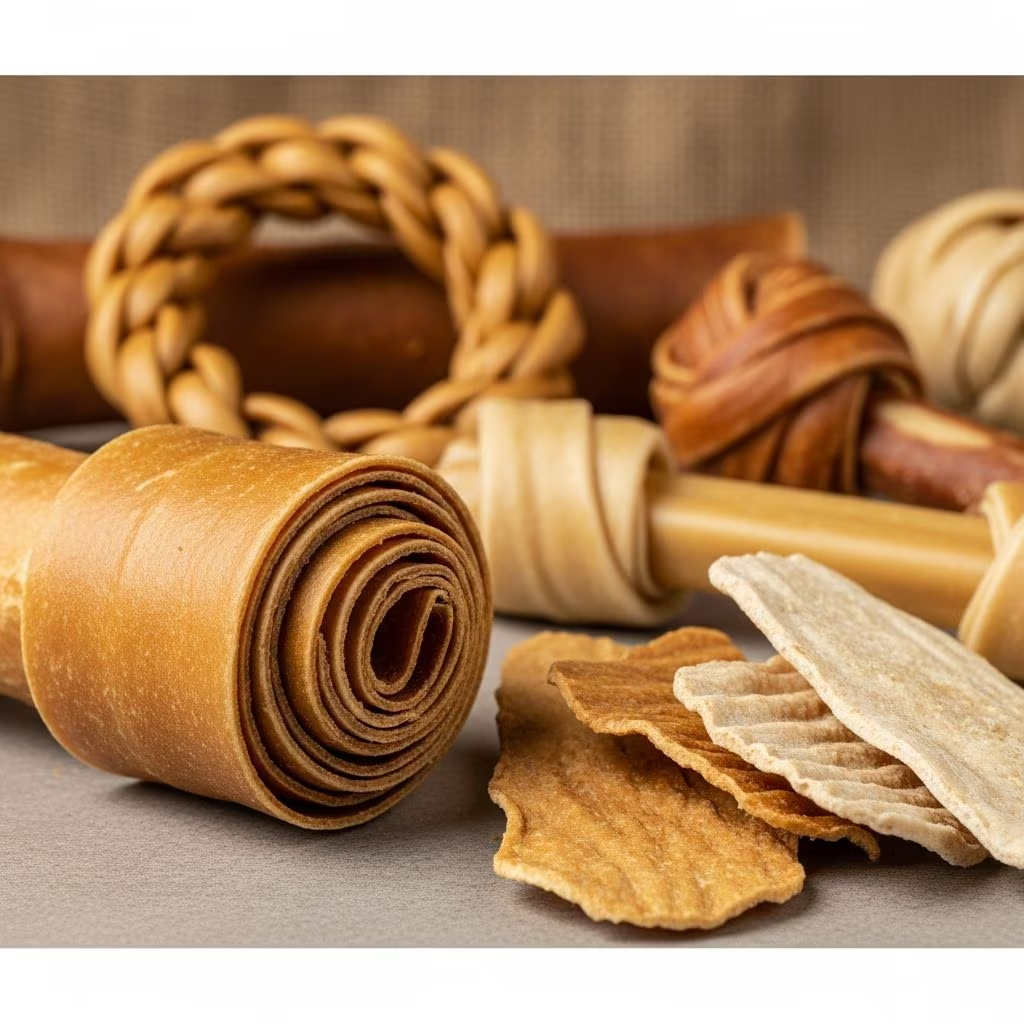
Rawhide chews have long been a staple in many households with dogs. They provide extended entertainment, help satisfy natural chewing instincts, and are often marketed as beneficial for dental health. However, not all rawhide products are created equal. The quality and safety of rawhide chews can vary dramatically depending on manufacturing processes, sourcing practices, and quality control measures. Understanding how to identify safe, high-quality rawhide chews is essential for any responsible pet owner who wants to offer their dog this classic treat without compromising their health and safety.
Understanding Rawhide and Its Origins
Rawhide chews are manufactured from the inner layer of cow or horse hides, stripped of their hair and outer layers through a processing method that has been used for decades. The popularity of these chews stems from their affordability, availability, and their appeal to dogs who find them satisfying to gnaw on for extended periods. Many pet owners have turned to rawhide as a convenient way to keep their dogs occupied while promoting jaw strength and potentially supporting dental maintenance through the friction created during chewing.
However, the rawhide industry has evolved considerably, and with this evolution have come varying standards in production quality and safety protocols. Not all rawhide chews undergo the same level of scrutiny or adhere to consistent manufacturing standards, which is why learning to differentiate between safe and potentially problematic products is crucial for pet owners.
Key Indicators of Rawhide Chew Quality
When selecting rawhide chews, several characteristics should inform your purchasing decisions. Understanding these quality markers helps ensure you’re investing in a product that meets safety standards and provides genuine value for your pet.
Manufacturing Transparency and Documentation
Reputable manufacturers of rawhide chews maintain clear documentation of their sourcing and production processes. Look for companies that provide information about where their hides originate, what processing methods they employ, and whether they conduct testing for contaminants. Manufacturers who are transparent about their operations and willing to share detailed information about their products are generally more trustworthy than those who remain vague about their processes.
A quality manufacturer should be able to answer specific questions about their supply chain, ingredient sourcing, and quality assurance procedures. If a company cannot or will not provide this information, it may be a red flag indicating that their production standards are not robust enough to warrant transparency.
Testing for Chemical Contamination
One of the primary concerns with rawhide products involves potential contamination during the manufacturing process. Rawhide production often involves the use of chemical treatments to preserve the hide, prevent decay, and achieve the desired texture. Heavy metals, harmful bacteria, and other contaminants can potentially accumulate during processing if proper safeguards are not implemented.
Manufacturers committed to safety conduct third-party testing to verify that their products are free from harmful substances. These tests check for heavy metals such as lead and cadmium, harmful bacteria like salmonella and E. coli, and other contaminants that could pose health risks to dogs. Reviewing any available test results or certifications from independent laboratories provides objective evidence of product safety.
Origin and Sourcing of Raw Materials
The geographic origin of the hides used in rawhide production matters considerably. Hides sourced from regions with strict agricultural and sanitary standards typically undergo less aggressive chemical treatment during processing. Conversely, hides from areas with less stringent regulations may require additional chemical processing to ensure they meet safety and preservation standards.
Quality manufacturers often prioritize sourcing from countries known for their rigorous livestock management practices and food safety protocols. Understanding where your rawhide chews originate allows you to make informed decisions about whether the sourcing aligns with your comfort level regarding manufacturing practices.
Physical Characteristics of Safe Rawhide Products
Beyond manufacturing information, the physical appearance and properties of rawhide chews can reveal quality indicators.
- Color Consistency: High-quality rawhide chews display uniform coloring throughout, indicating consistent processing and treatment. Unusual discoloration, bleaching, or uneven appearance may suggest inconsistent manufacturing or inappropriate chemical treatment.
- Texture and Density: The texture should feel uniform without brittle sections or unexpectedly soft areas. Quality rawhide chews maintain consistent density that allows for gradual softening as the dog chews rather than rapid deterioration or hardness that poses choking risks.
- Odor: While rawhide does have a distinct smell, excessively strong chemical odors may indicate inappropriate processing with harsh treatments. A mild, consistent odor is more typical of properly manufactured products.
- Size Appropriateness: Reputable manufacturers offer rawhide chews in sizes matched to different dog breeds and sizes. A rawhide that is too small for your dog presents choking hazards, while one that is too large may be inaccessible for smaller dogs to properly chew.
Certifications and Third-Party Verifications
Several certification programs and standards help consumers identify safer rawhide products. Look for products that have received certification from recognized pet industry organizations or have undergone testing by independent laboratories. These certifications provide objective validation that products meet specific safety standards and quality requirements.
Some manufacturers participate in industry associations that establish and enforce quality guidelines for pet treat production. Membership in these organizations, while not a guarantee of absolute safety, indicates a commitment to maintaining higher standards than the minimum legal requirements.
Understanding Product Labeling and Claims
Reading and understanding rawhide product labels is essential for making informed purchasing decisions. Legitimate manufacturers provide detailed ingredient lists, processing information, and appropriate guidance for use.
What to Look For on Labels:
- Clear identification of the source material (beef hide, horse hide, or other sources)
- Complete ingredient lists without vague terms like “meat by-products”
- Processing methods employed during manufacturing
- Specific guidance on appropriate dog sizes and ages for the product
- Warnings about supervision requirements and potential choking hazards
- Manufacturing or packaging dates to ensure freshness
- Company contact information for questions or concerns
Labels that make vague claims such as “natural” or “safe” without supporting evidence should be approached with skepticism. Specific, detailed information about production methods and quality measures is more reliable than general marketing language.
Size and Age Appropriateness
Selecting rawhide chews that match your dog’s size and age is critical for safety. A rawhide that is too small can lodge in your dog’s throat or be swallowed whole, creating a choking or blockage hazard. Conversely, rawhides that are too large may frustrate your dog or be inaccessible for them to chew effectively.
For puppies, softer rawhide products designed specifically for teething provide relief while minimizing risks associated with their developing teeth and smaller mouths. Senior dogs may benefit from softer varieties that are easier on their teeth while still providing satisfying chewing experiences. Dogs with aggressive chewing styles require thicker, denser rawhide products that resist rapid deterioration.
Safety Practices During Use
Even when selecting high-quality rawhide chews, responsible use practices remain essential for preventing accidents and complications.
- Supervision: Always monitor your dog while they chew on rawhide. This allows you to intervene immediately if pieces break off or if your dog appears to be choking or experiencing distress.
- Introduction Protocol: When introducing a new rawhide chew, start with supervised sessions to observe how your dog interacts with it and whether they experience any digestive upset.
- Hydration: Ensure your dog has access to fresh water while and after chewing rawhide, as the chewing process can be dehydrating.
- Removal When Small: As the rawhide is reduced to a small piece that poses a choking hazard, remove it and replace it with a new one or offer a different treat.
- Digestive Monitoring: Observe your dog’s digestive health after consuming rawhide. Any signs of digestive distress should prompt consultation with a veterinarian.
Recognizing Problematic Products
Certain red flags should make you reconsider purchasing a particular rawhide product.
Unusually low prices compared to similar products may indicate compromised manufacturing standards or lower-quality materials. While affordability is important, extremely cheap rawhide chews sometimes reflect insufficient quality control or sourcing from suppliers with questionable practices. Products with unclear manufacturing origins, vague ingredient information, or limited company transparency should be avoided. Additionally, rawhide chews that have visible defects such as mold, unusual discoloration, or signs of damage should never be offered to your dog.
Comparing Rawhide to Alternative Chewing Options
While rawhide has been a traditional choice, some pet owners and veterinarians increasingly consider alternatives that may offer comparable benefits with potentially reduced risks. Products made from beef muscle like bully sticks provide digestible protein without the concerns associated with rawhide processing. Natural options such as beef tendon chews contain collagen and joint-supporting compounds while remaining easily digestible. For dogs with sensitivities, alternatives like salmon skin chews or sweet potato-based products offer novel protein sources and beneficial nutrients.
These alternatives don’t necessarily eliminate all risks associated with treats—supervision remains important, and digestive responses vary among individual dogs—but they represent options worthy of consideration when evaluating your dog’s chewing needs and your comfort level with traditional rawhide products.
Consulting with Your Veterinarian
Your veterinarian remains your best resource for determining whether rawhide chews are appropriate for your specific dog and, if so, which options are safest. Veterinarians can assess your dog’s individual health status, chewing habits, and digestive sensitivities to provide personalized recommendations. They can also discuss whether your dog would benefit from rawhide alternatives or whether traditional rawhide remains the best option for your situation.
If your dog has a history of digestive issues, blockages, or other health concerns, veterinary consultation before introducing any new chew product becomes even more important. Your vet may have specific recommendations for products they’ve found to be safer or may advise against rawhide altogether depending on your dog’s health profile.
Frequently Asked Questions
How can I tell if a rawhide chew is safe?
Safe rawhide chews come from manufacturers with transparent production practices, have undergone testing for contaminants, and contain clear labeling with sourcing information. Look for products with third-party certifications and avoid extremely cheap options that may indicate compromised standards.
What should I do if my dog swallows rawhide too quickly?
If your dog gulps rawhide without proper chewing, they’re not the best candidate for this treat. Consider alternatives like bully sticks or supervised, structured chewing sessions with appropriate rawhide sizes for your dog’s chewing style.
Are rawhide chews appropriate for all dogs?
Rawhide chews are not suitable for all dogs. Dogs with aggressive chewing styles, history of digestive blockages, or certain health conditions may benefit more from alternative treats. Always consult your veterinarian about your specific dog’s needs.
How often can my dog chew on rawhide?
Rawhide can typically be offered several times per week for most dogs, but frequency should be adjusted based on your dog’s individual response and your veterinarian’s recommendations. Monitor digestive health and adjust accordingly.
What are the signs of a problematic rawhide product?
Avoid rawhide chews with unusual discoloration, strong chemical odors, visible mold or damage, unclear manufacturing origins, or vague ingredient listings. These characteristics suggest manufacturing or storage issues that may compromise safety.
Making an Informed Decision
Selecting safe, quality rawhide chews requires engagement with multiple factors: understanding manufacturing standards, recognizing quality indicators, practicing responsible use, and consulting with your veterinarian. While rawhide has provided satisfying chewing experiences for countless dogs, the quality and safety of available products varies considerably. By applying the guidelines outlined in this article and remaining vigilant about your dog’s safety, you can make informed decisions that align with your pet’s needs and your comfort level regarding treat safety. Whether you ultimately choose rawhide or explore alternatives, prioritizing transparency, quality, and supervision ensures your dog can enjoy chewing treats as part of a healthy, safe lifestyle.
References
- The 9 Best Rawhide Alternatives for Your Dog — ElleVet Sciences. 2024. https://www.ellevetsciences.com/blog/rawhide-alternatives/
- Best Rawhide Alternatives — East Meadow Veterinary Clinic. https://www.eastmeadowvetclinic.com/best-rawhide-alternatives/



