

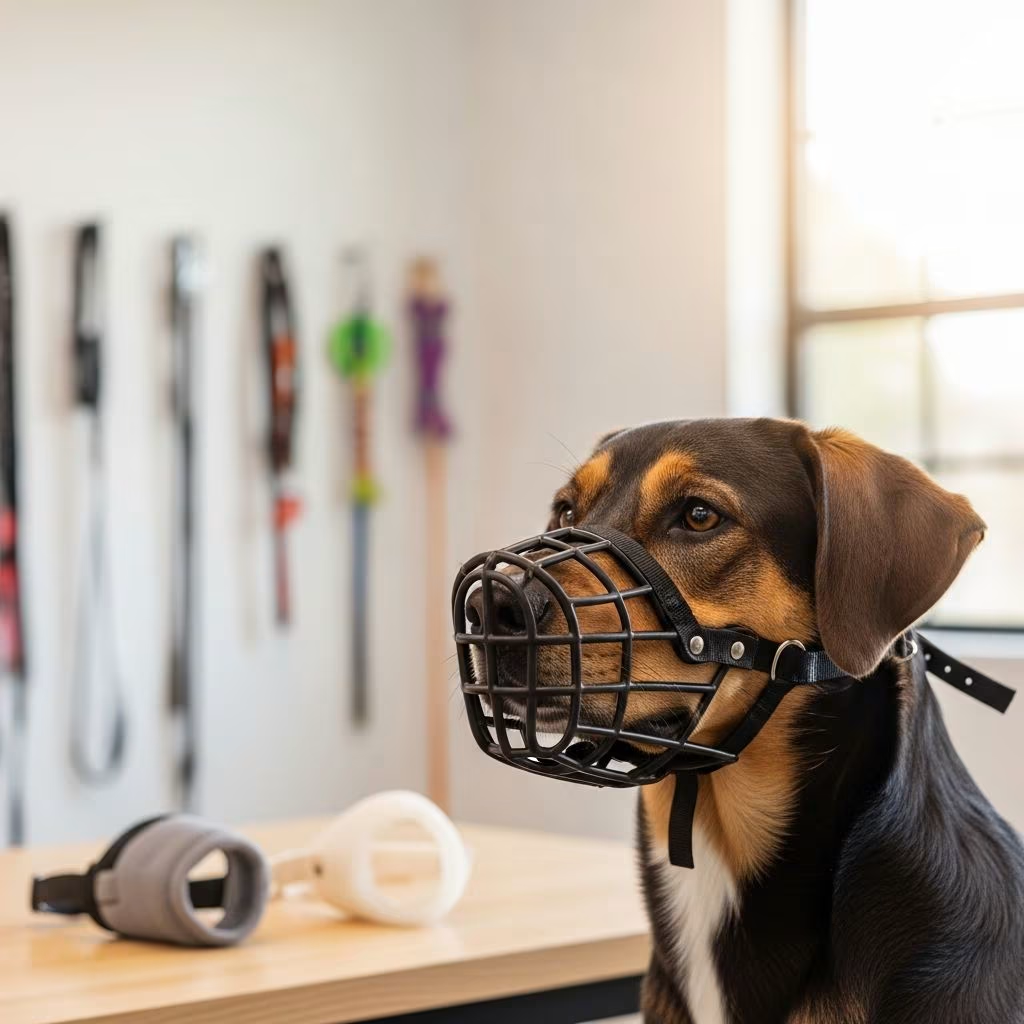
Choosing the right dog muzzle is crucial for ensuring safety in various situations, from vet appointments to daily walks. A well-fitted muzzle promotes comfort while preventing bites, allowing dogs to pant, drink, and even receive treats during use.
Understanding the Role of Muzzles in Canine Care
Muzzles serve multiple purposes beyond restraint. They provide peace of mind for owners dealing with reactive or aggressive behaviors, enabling participation in family activities without isolation. Veterinary professionals often recommend them for high-stress scenarios like grooming or medical exams, where even calm dogs may react unpredictably.
Additionally, muzzles prevent scavenging harmful items during outings, reducing risks of ingestion-related surgeries. For training, they facilitate positive reinforcement by allowing treat delivery without removal.
Common Scenarios Requiring a Muzzle
- Veterinary and Grooming Visits: Stress can trigger defensive responses; muzzles ensure safety for all involved.
- Behavior Modification: Reactive dogs benefit from muzzles during counter-conditioning sessions.
- Walks and Public Outings: Prevents eating litter or confronting others.
- Training Sessions: Supports focus on commands while curbing unwanted actions like chewing.
Exploring Different Muzzle Varieties
Dog muzzles come in diverse designs, each suited to specific needs. Selection depends on duration of wear, activity level, and breed snout shape.
Basket Muzzles: Versatile and Comfortable
Basket muzzles, often made of plastic, rubber, or wire, encase the snout in a spacious structure. They excel for prolonged use, permitting full mouth opening for panting, drinking, and treat consumption. Ideal for breeds with broad snouts like Boxers or Bulldogs.
- Pros: Excellent ventilation, training-friendly, durable for extended sessions.
- Cons: Bulkier, may require sizing adjustments for short-nosed breeds.
Wire and Cage Muzzles: Robust Protection
Wire cage muzzles offer sturdy construction with ample airflow gaps. Epoxy-coated versions resist wear, making them suitable for high-bite-risk dogs during intense training. They support panting and small treats, favored by professional trainers.
| Muzzle Type | Material | Best For | Key Benefit |
|---|---|---|---|
| Wire Cage | Epoxy-Coated Metal | Training, Bite Prevention | Superior airflow and strength |
| Basket | Plastic/Rubber | Extended Wear, Walks | Panting and drinking allowed |
Soft and Nylon Muzzles: Short-Term Solutions
Nylon or fabric muzzles provide lightweight options for brief applications, like nail trims. They limit mouth closure but restrict panting less than gauze types. Slip-on styles fasten quickly, useful for emergencies.
- Pros: Soft, machine-washable, easy for short noses.
- Cons: Not for long wear due to limited ventilation.
Leather and Biothane Options: Durable Alternatives
Leather muzzles deliver long-lasting security, reinforced for professional use like police work. Biothane variants are waterproof and flexible for active dogs, though less rigid for severe cases.
Factors Influencing Muzzle Selection
Consider your dog’s size, breed, behavior, and usage context. Measure snout length, circumference at widest point, and eye-to-snout distance for precise fit. Prioritize models allowing natural behaviors to minimize stress.
- Duration: Basket or cage for over 30 minutes; soft for quick tasks.
- Climate: Opt for ventilated designs in heat.
- Breed-Specific: Short-nosed dogs need open-end styles.
Step-by-Step Guide to Proper Fitting
A poorly fitted muzzle causes discomfort or escape. Follow these steps:
- Measure Accurately: Use a soft tape: snout length (nose tip to eye line), circumference behind ears and at snout base.
- Test Fit: Muzzle should allow one finger between straps and skin; dog fits two fingers between basket and snout.
- Check Functionality: Ensure panting, yawning, and treat insertion possible without restriction.
- Adjust Straps: Secure neck strap first, then cheek pieces; avoid over-tightening.
Signs of poor fit: Rubbing, excessive salivation, or inability to open mouth fully. Re-measure if needed.
Positive Muzzle Training Techniques
Introduce muzzles gradually with counter-conditioning to build positive associations.
- Introduction Phase: Leave muzzle near food bowl or toys for sniffing (1-2 days).
- Touch and Reward: Lure with high-value treats to nose muzzle; praise heavily.
- Wear Trials: Secure for seconds, then remove and treat; extend duration over sessions.
- Real-World Practice: Use during low-stress walks, pairing with play.
Avoid force; stressed dogs resist more. Most adapt within a week.
Safety Guidelines and Maintenance Tips
Never leave muzzled dogs unsupervised or alone. Limit wear to 1 hour max, with breaks. Clean regularly: wash nylon in machine, wipe baskets with soap. Inspect for wear, especially leather or wire.
Monitor for overheating signs like heavy drooling. Hydrate frequently in warm weather.
Addressing Myths and Concerns
Common misconception: Muzzles are cruel. When fitted and trained properly, they enhance safety and quality of life. They don’t solve aggression alone; pair with professional behavior help.
Frequently Asked Questions (FAQs)
Can all dogs wear muzzles?
Yes, with proper type and training. Consult vets for brachycephalic breeds.
How long can a dog wear a muzzle?
Up to 1 hour supervised for basket types; shorter for soft ones.
Will my dog be able to drink water?
Basket and wire designs allow it; test beforehand.
Is muzzle training hard?
With treats and patience, most dogs accept it quickly.
What if my dog fights the muzzle?
Slow desensitization; seek trainer if persistent.
Enhancing Long-Term Success
Combine muzzles with obedience classes for root behavior fixes. Track progress: reduced reactivity indicates effective pairing. Owners report calmer outings and stronger bonds post-training.
For persistent issues, consult certified behaviorists. Muzzles bridge gaps during modification.
References
- Muzzle Choices — Cornell University College of Veterinary Medicine. 2023. https://www.vet.cornell.edu/departments-centers-and-institutes/riney-canine-health-center/canine-health-information/muzzle-choices
- All About Basket Muzzles — Synergy Veterinary Behavior. 2024. https://www.synergybehavior.com/all-about-basket-muzzles/
- Types of Dog Muzzles — ForDogTrainers Blog. 2023. https://www.fordogtrainers.com/blog/types-of-dog-muzzles/
- A Guide to Choosing the Right Muzzle — K9 in Focus (Deb Jones Dog Training). 2024. https://k9infocus.com/a-guide-to-choosing-the-right-muzzle/
- Dog Muzzles: When, Why, and How to Correctly Use Them — American Kennel Club (AKC). 2025. https://www.akc.org/expert-advice/training/dog-muzzles-when-why-how-to-use/



