

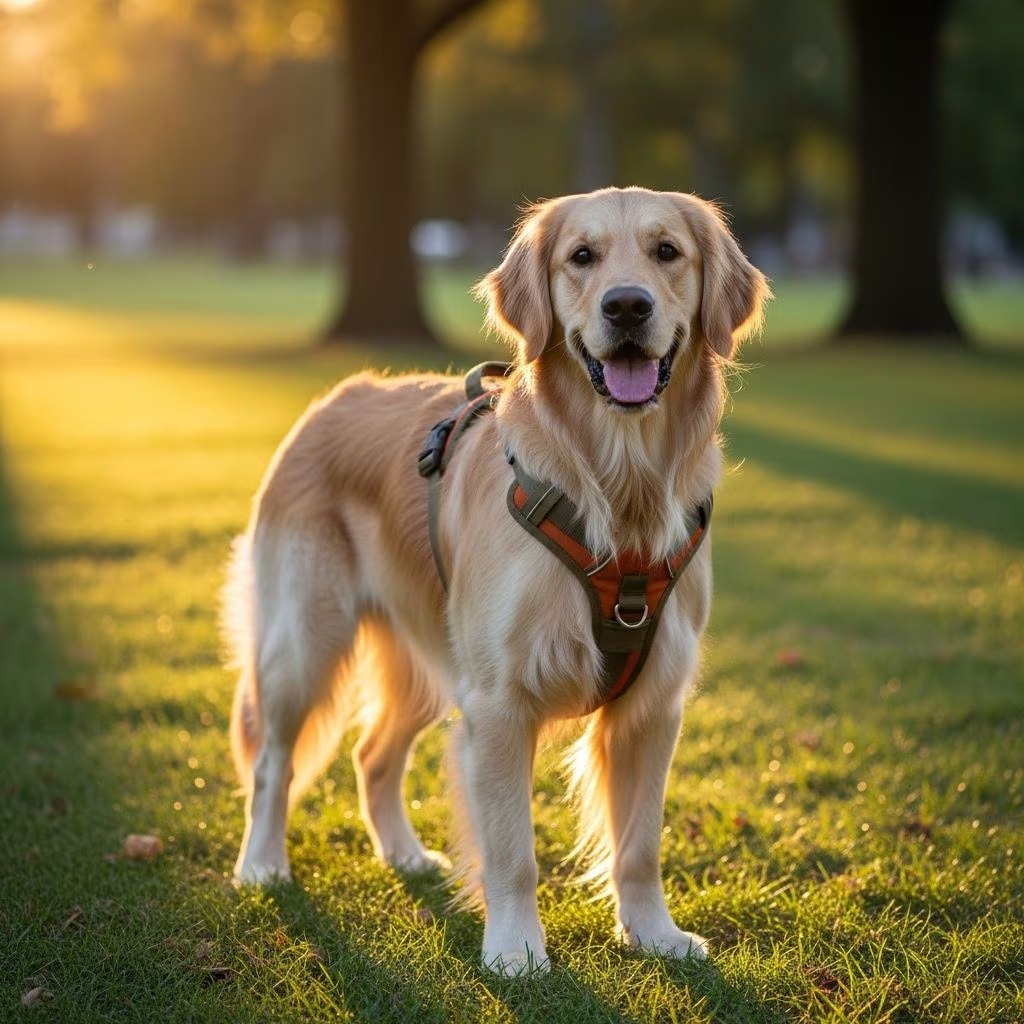
Choosing the right harness transforms everyday walks into enjoyable experiences for both you and your dog. Unlike collars, harnesses distribute pressure across the chest and shoulders, minimizing strain on the neck and throat, which is crucial for dogs prone to pulling or those with respiratory issues.
Why Harnesses Outperform Collars
Harnesses provide superior control and safety compared to traditional collars. They prevent tracheal damage during sudden pulls and offer better leverage for training. Veterinary experts recommend them for puppies, brachycephalic breeds like Bulldogs, and active dogs to avoid injury. A well-fitted harness encourages proper posture and reduces escape risks.
Primary Harness Categories by Attachment Points
Dog harnesses vary mainly by leash attachment location, each suited to different behaviors and training stages.
Back-Clip Harnesses: Everyday Reliability
These feature a D-ring on the dog’s back, near the shoulders. Ideal for calm, well-trained dogs on leisurely strolls, they allow natural movement without leg tangling. Pros include simplicity and compatibility with any leash length; cons are less pull control.
- Best for: Relaxed walks, hiking.
- Examples: Step-in styles for easy wear.
Front-Clip Harnesses: Pull Prevention Power
With the attachment on the chest, these redirect pulling dogs forward, gently turning them toward you. Excellent for training reactive pups, but avoid with long leashes to prevent trips.
- Best for: Strong pullers, urban environments.
- Tip: Pair with short leashes for max effect.
Dual-Clip Harnesses: Versatile All-Rounders
Offering front and back rings, these adapt to any situation—front for training, back for comfort. Trainers favor them for progressive behavior modification.
- Best for: Multi-purpose use, improving walkers.
- Bonus: Some include double leashes for dual control.
Design Variations for Optimal Fit and Function
Beyond clips, harness shapes and styles cater to specific anatomies and activities.
H-Back and Y-Back Configurations
H-back designs feature horizontal chest straps for stability on narrow-framed dogs, while Y-back styles have a Y-shaped front for shoulder freedom, suiting broader chests.
| Type | Shape Benefit | Ideal Dog Profile |
|---|---|---|
| H-Back | Even pressure distribution | Narrow bodies, pullers |
| Y-Back | Front leg mobility | Athletic, active breeds |
Strap vs. Vest Styles
Strap harnesses use thin nylon webbing for breathability and lightness, perfect for short-haired giants. Vest harnesses provide padded coverage for comfort on small or furry dogs, reducing chafing on long outings.
- Strap: Lightweight, control-focused.
- Vest: Cushioned, all-day wear.
Specialized Harnesses for Active Lifestyles
For sports and adventures, purpose-built designs enhance performance.
Pulling and Racing Harnesses
These boast wide chest panels and H or X-back structures for load distribution during sledding, running, or canicross. Breathable fabrics and reflective accents ensure safety.
- X-Back: Traction for sled dogs like Huskies.
- Adjustable Racing: All-breeds, heavy-duty.
Everyday Utility and No-Pull Options
Utility harnesses offer multi-function D-rings for IDs or lights. No-pull models combine front clips with padding to curb lunging humanely.
Key Materials and Durability Factors
Material choice impacts longevity and comfort. Nylon is affordable and tough; leather ages gracefully; mesh suits hot climates but may fray. Look for reinforced stitching and rust-proof metal hardware.
- Oxford nylon: Weather-resistant.
- Neoprene padding: Sweat-wicking.
Mastering the Perfect Fit: Step-by-Step Guide
A poor fit causes rubs or escapes. Measure girth (widest chest point, behind front legs), neck, and back length.
- Stand dog naturally; use soft tape.
- Add 2-3 inches for growth/movement.
- Adjust straps: Two fingers under all edges.
- Test: No slipping when tugged gently.
Adjustability is key—aim for 4+ points. Re-check monthly as dogs change.
Matching Harness to Your Dog’s Profile
Breed and Size Considerations
Small dogs need escape-proof vests; large breeds thrive in heavy-duty straps. Barrel-chested Bulldogs favor adjustable Y-backs.
Age and Health Needs
Puppies require growing-room designs; seniors benefit from soft padding. Avoid tight fits for arthritis-prone dogs.
Behavior and Activity Matching
| Dog Type | Recommended Harness | Why |
|---|---|---|
| Calm Walker | Back-Clip | Freedom of motion |
| Heavy Puller | Front/Dual-Clip | Training control |
| Athlete | Racing/Utility | Load support |
| Senior/Small | Vest | Extra padding |
Care and Maintenance Essentials
Extend harness life by hand-washing with mild soap; air-dry away from sun. Inspect for frays monthly. Rotate multiples for heavy use.
Frequently Asked Questions
Can all dogs wear harnesses?
Yes, but consult vets for those with skin conditions or extreme builds. Most outperform collars.
How often should I replace a harness?
Every 1-2 years or at wear signs like fading stitching.
Is a harness better for training?
Dual/front-clip excels for leash manners without neck pressure.
What if my dog hates harnesses?
Use positive association: Treats during fitting, gradual wear time.
Front vs. back clip—which wins?
Dual-clip for versatility; choose per dog’s pull level.
Final Thoughts on Harness Selection
Invest time in trials; a great harness boosts safety, curbs issues, and strengthens bonds. Prioritize fit, function, and quality for lasting results.
References
- Best Types of Dog Harnesses: Comparison & Trainer Guide — Pupford. 2023. https://pupford.com/blogs/all/types-dog-harnesses
- 6 Best Dog Harnesses of 2026 (Tested & Reviewed) — Treeline Review. 2026. https://www.treelinereview.com/gearreviews/best-dog-harnesses
- The 8 Different Types Of Dog Harnesses For Every Need — Neewa Dogs. 2024. https://www.neewadogs.com/blogs/blog/types-of-dog-harnesses
- Understanding The Different Types of Dog Harnesses — Spark Paws. 2023. https://www.sparkpaws.com/blogs/community/types-of-dog-harnesses
- Types of Dog Harnesses — Ezydog. 2024. https://store.ezydog.com/blogs/news/types-of-dog-harnesses
- Types of Dog Harnesses and Their Differences — Voyager Harness. 2023. https://voyagerharness.com/blogs/news/types-of-dog-harnesses-and-their-differences
- Choosing the Right Dog Harness for Your Dog — American Kennel Club (AKC). 2025. https://www.akc.org/expert-advice/lifestyle/choosing-the-right-dog-harness/



