

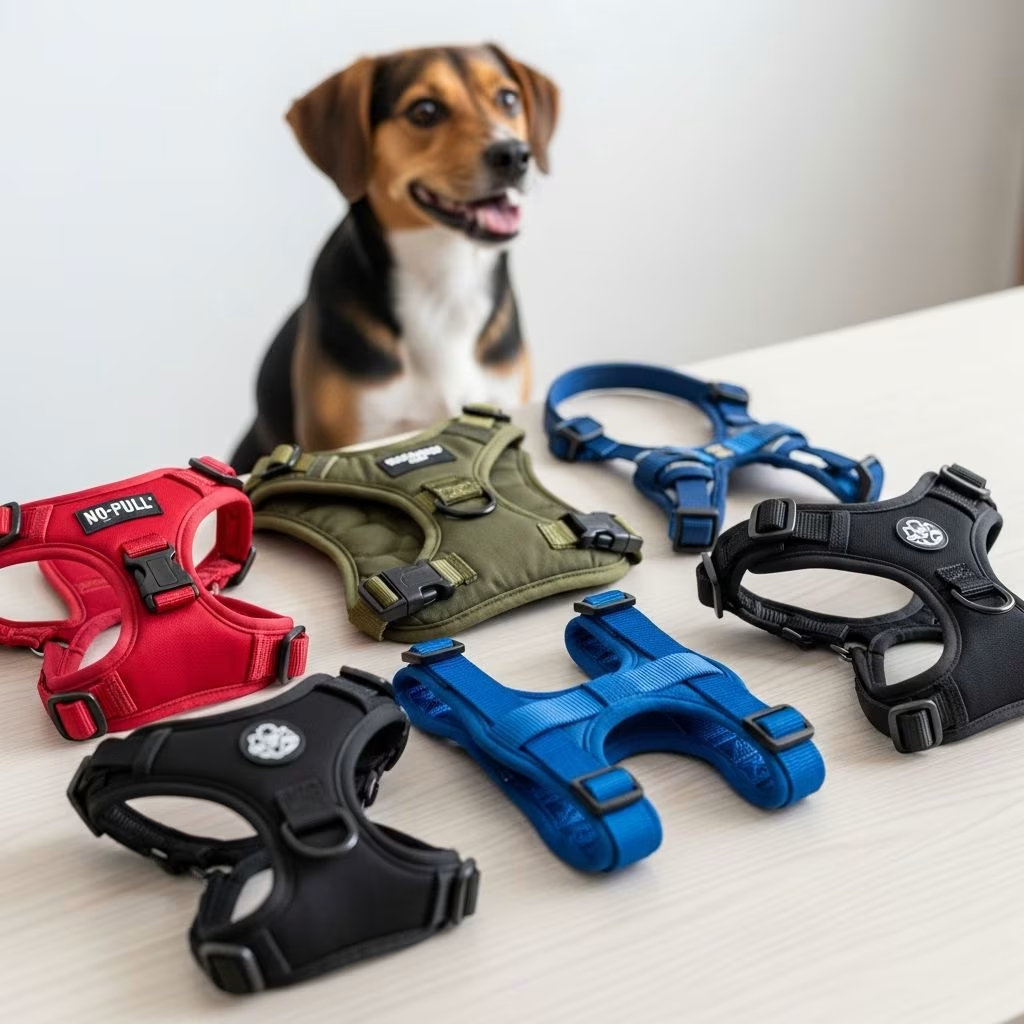
Choosing the right harness elevates everyday walks into safe, enjoyable experiences for both you and your dog. Unlike collars, harnesses distribute pressure across the chest and body, reducing strain on the neck and promoting better control, especially for pullers or active pups.
Why Harnesses Outperform Collars
Harnesses prevent tracheal damage common with collars during pulling, making them ideal for dogs prone to lunging or excitement. They support training by redirecting behavior without discomfort, and many designs accommodate car rides or outdoor sports. Veterinary experts emphasize well-fitted harnesses for long-term health, noting reduced injury risk in strong breeds.
Core Types of Dog Harnesses
Dog harnesses vary by clip position, strap design, and purpose. Understanding these helps match the gear to your dog’s needs.
Back-Clip Harnesses
These feature a single D-ring on the back, near the shoulder blades, suiting polite walkers who rarely pull. Easy to attach and widely available, they avoid leash tangling and work for casual strolls. Best for trained dogs, as pulling can encourage forward momentum.
Front-Clip Harnesses
A chest-mounted clip turns pulling into a sideward redirect, training dogs to stay close. Effective for strong pullers, this type demands precise adjustment to prevent rubbing. Trainers favor it for large breeds needing control without force.
Dual-Clip Harnesses
Offering front and back attachments, these provide versatility. Use front for training pullers, back for relaxed walks. Examples like no-pull models enhance control with double leashes. Ideal for progressing dogs, though webbing may rub sensitive skin.
Y-Shaped and H-Back Designs
Y-harnesses form a chest Y for shoulder freedom, perfect for runners or hikers. H-back versions evenly distribute load, aiding breathability during pulls. Adjustable for various breeds, they suit active lifestyles.
Harness Styles: Strap vs. Vest
Strap harnesses use narrow bands around torso and chest, lightweight for non-pullers. They slip over the head with buckles for quick wear. Vest styles offer padded coverage, cushioning high-energy dogs and securing car travel.
| Type | Best For | Pros | Cons |
|---|---|---|---|
| Strap | Calm walkers | Lightweight, affordable | May chafe pullers |
| Vest | Active or car rides | Comfortable padding | Bulkier, pricier |
Specialized Harnesses for Activities
Beyond basics, task-specific designs optimize performance.
- Running Harnesses: Minimalist with wide chest straps for stride freedom.
- Sled/Racing Harnesses: X-back or H-back for traction, reflective for visibility, suited to Huskies or pullers.
- No-Pull Harnesses: Front-focused with dual points to curb lunging.
- Step-In Harnesses: Easy-entry for wiggly dogs, back-clip standard.
Key Factors in Harness Selection
Match gear to your dog’s profile for optimal results.
Size and Breed Considerations
Small dogs need snug fits to prevent slipping; broad-chested breeds like Bulldogs require adjustable H-designs. Measure girth behind front legs and neck base.
Behavior and Training Level
Pullers benefit from front/dual clips; well-mannered dogs thrive on back-clips. Age matters—puppies grow fast, seniors prefer padded vests.
Material Choices
Nylon offers durability and lightness; leather ages gracefully; mesh breathes for hot climates. Reflective strips boost night safety.
Mastering the Perfect Fit
Ill-fitting harnesses cause chafing or escapes. Follow these steps:
- Measure chest (narrowest point) and neck.
- Loosen all straps, slip on (or step-in).
- Adjust: Two fingers under straps; no shoulder restriction; buckles secure.
- Test walk: No shifting, rubbing, or tight breathing.
Vets stress high adjustability to avoid stress points.
Popular Recommendations from Trainers
Trainers endorse dual-clips for versatility and Y-shapes for agility. Budget options prioritize stability; premium vests excel in hikes.
Frequently Asked Questions
What’s the best harness for a pulling dog?
Front-clip or dual-clip designs redirect force effectively.
Can harnesses be used for car travel?
Yes, vest harnesses with seatbelt loops secure dogs safely.
How often should I check the fit?
Weekly for puppies, monthly for adults, or after activity.
Are harnesses safe for all breeds?
Most yes, but consult vets for brachycephalic (short-nosed) dogs.
Do harnesses encourage pulling?
No, properly chosen types train against it; back-clips suit non-pullers only.
Maintenance and Longevity Tips
Wash per label (machine for synthetics), inspect for frays. Rotate types for multi-dog households or seasonal use. Invest in quality to avoid replacements.
With the right harness, walks become bonding opportunities, fostering health and happiness. Tailor choices to your dog’s unique needs for transformative results.
References
- Best Types of Dog Harnesses: Comparison & Trainer Favorite — Pupford. 2023. https://pupford.com/blogs/all/types-dog-harnesses
- 6 Best Dog Harnesses of 2026 (Tested & Reviewed) — Treeline Review. 2026. https://www.treelinereview.com/gearreviews/best-dog-harnesses
- The 8 Different Types Of Dog Harnesses For Every… — Neewa USA. 2023. https://www.neewadogs.com/blogs/blog/types-of-dog-harnesses
- Types of Dog Harnesses — EzyDog. 2023. https://store.ezydog.com/blogs/news/types-of-dog-harnesses
- Types of Dog Harnesses and Their Differences — Voyager Harness. 2023. https://voyagerharness.com/blogs/news/types-of-dog-harnesses-and-their-differences
- Choosing the Right Dog Harness for Your Dog — American Kennel Club (AKC). 2023. https://www.akc.org/expert-advice/lifestyle/choosing-the-right-dog-harness/
- How do I choose the best harness for my dog? — Red Dingo. 2023. https://reddingo.com/blog/how-do-i-choose-the-best-harness-for-my-dog/
- How to fit the 5 main types of dog harnesses — Pet Circle (YouTube). 2023. https://www.youtube.com/watch?v=VKSZxUtp3Ok



