

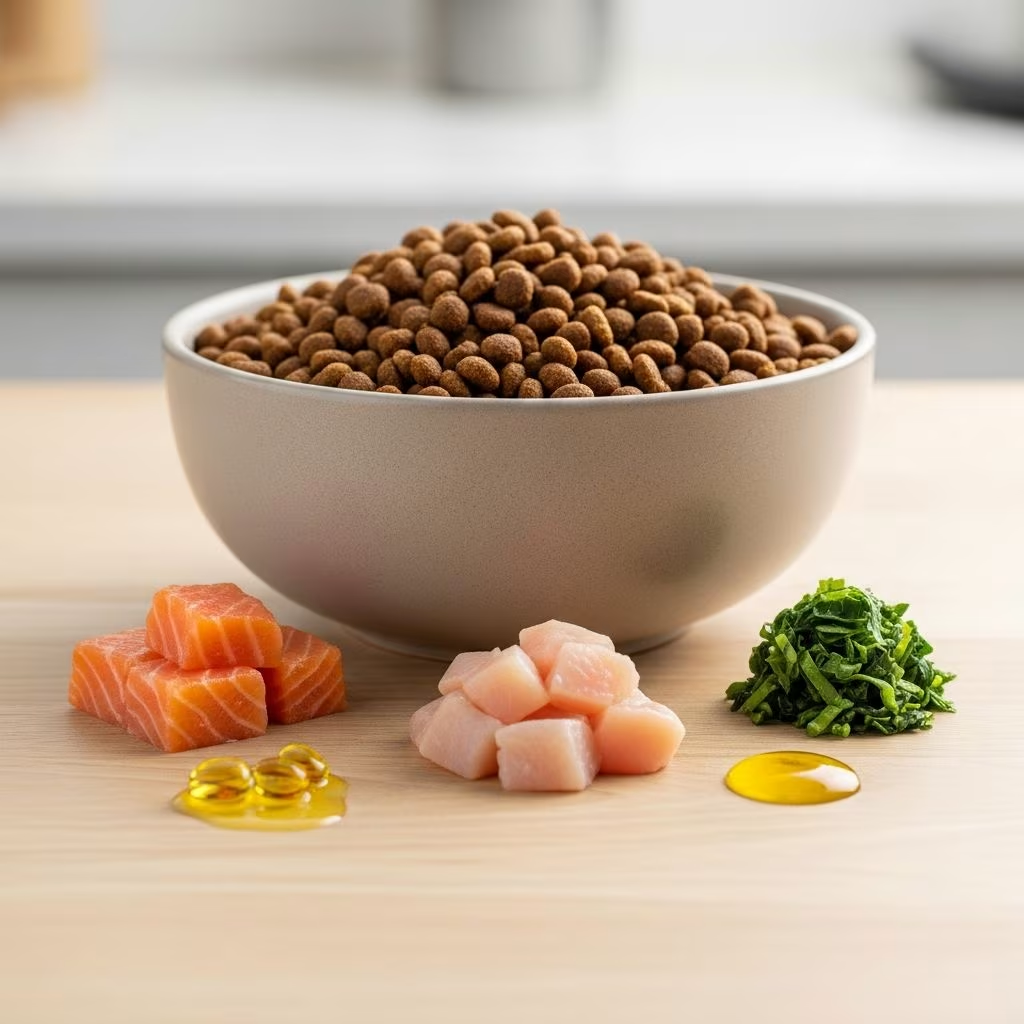
Cats thrive on diets rich in animal proteins due to their status as obligate carnivores, requiring specific nutrients like taurine and arachidonic acid found primarily in meat. Proper nutrition supports growth, energy, and disease prevention across all life stages, with commercial foods formulated to meet these needs when labeled appropriately.
Core Nutritional Requirements for Felines
Feline bodies demand high-quality proteins for muscle maintenance and essential amino acids such as taurine for heart and vision health, arginine for liver function, and others that cannot be synthesized internally. Fats provide energy and fatty acids like linoleic and arachidonic acids crucial for skin, coat, and reproduction. Vitamins like A and minerals must come from animal sources, as cats inefficiently convert plant-based alternatives.
- Protein: At least 26-30% minimum, ideally higher to mimic prey-based diets.
- Fats: Supply concentrated calories and absorbable nutrients.
- Taurine: Prevents blindness and cardiomyopathy; absent in plant proteins.
- Minimal Carbs: Cats derive little energy from them, preferring under 10%.
Matching Diets to Life Stages
Nutritional profiles shift as cats age, demanding tailored foods to fuel development, sustain adulthood, or address senior vulnerabilities.
Kitten Nutrition: Fueling Rapid Growth
From weaning to one year, kittens require calorie-dense foods with elevated protein (30%+), fats, and minerals for bone and organ development. Feed 3-4 times daily or free-choice dry formulas to match frequent small meals in nature.
| Nutrient | Kitten Minimum (AAFCO) | Adult Comparison |
|---|---|---|
| Protein | 30% | 26% |
| Fat | 9% | 9% |
| Calories | Higher density needed | Maintenance level |
Transition gradually over 7-10 days to avoid digestive upset.
Adult Cat Diets: Maintaining Peak Condition
Ages 1-7 years call for balanced formulas with 26-35%+ protein to preserve lean mass and prevent obesity. Twice-daily measured portions control weight, spaced 8-12 hours apart.
Wet foods excel here for hydration, boasting 75-85% moisture and superior palatability with meat-first ingredients.
Senior Felines: Addressing Age-Related Changes
Over 7-11 years, cats face reduced metabolism, kidney strain, and dental issues; opt for joint-supportive, lower-calorie foods with highly digestible proteins. Increased water intake via wet varieties combats urinary risks.
Types of Commercial Cat Foods
Choose based on convenience, health goals, and preference; always verify AAFCO statements for completeness.
- Dry Kibble: Economical, dental benefits claimed (though limited), suitable for grazing. High carb content (35-50%) warrants moderation.
- Wet Canned: Hydrating, protein-rich, low-carb; ideal primary diet per vets.
- Semi-Moist: Less common, monitor sugar levels.
Ingredient lists prioritize meats early for nutrient density; avoid fillers dominating the top spots.
Strategic Feeding Practices
Portion control prevents obesity, a top health threat linked to diabetes and arthritis. Calculate daily needs via body weight, activity, and labels, dividing into meals.
- Weigh cats weekly; adjust for spay/neuter (20-30% less calories).
- Free-feeding suits dry kibble for some, but measured meals promote discipline.
- Clean water bowls daily; fountains encourage drinking.
Environmental factors like heat increase needs; monitor and adapt.
Incorporating Treats Safely
Limit to 5-10% daily calories to preserve nutritional balance. Favor commercial low-cal options or vet-approved humans foods.
Safe Human Foods for Cats
- Cooked plain chicken, turkey, white fish (boneless).
- Limited veggies: pumpkin (fiber), carrots, peas, broccoli florets.
- Fruits: blueberries, strawberries, melon (deseeded, small amounts).
Dangerous Foods to Avoid
- Onions, garlic, grapes, chocolate, raw meat/eggs (bacteria/parasites).
- Milk (lactose intolerance causes diarrhea).
- High-fat scraps risk pancreatitis.
Special Dietary Considerations
Health conditions demand prescription diets: renal for kidney disease, weight management for obesity, hypoallergenic for sensitivities. Consult vets before changes.
Switch foods gradually: 25% new + 75% old (days 1-4), 50/50 (days 5-7), etc., keeping separate to respect texture preferences.
Frequently Asked Questions
Can cats eat dog food?
No; lacks taurine and feline-specific balances, risking deficiency diseases.
Is raw diet safe?
High bacterial risk (salmonella, toxoplasmosis); not recommended without expertise.
How much wet food per day?
Depends on cat’s weight; e.g., 5-6 oz for 10-lb adult. Use calorie calculators.
Why choose grain-free?
Reduces carbs mimicking natural diets, but not essential if AAFCO-compliant.
Best for overweight cats?
Low-cal, high-protein formulas with fiber; increase playtime.
Conclusion: Empowering Your Cat’s Health
Selecting nutrition involves reading labels, matching life stages, and monitoring response. Partner with vets for personalized plans, ensuring your cat enjoys vitality.
References
- Cat Nutrition: What Is Complete and Balanced Cat Food? — Chewy.com. 2023. https://www.chewy.com/education/cat/food-and-nutrition/cat-nutrition
- The Best Diet for Your Cat — PDSA.org.uk. 2024-01-15. https://www.pdsa.org.uk/pet-help-and-advice/looking-after-your-pet/kittens-cats/the-best-diet-for-your-cat
- Cat Nutrition Tips — ASPCA.org. 2023-05-20. https://www.aspca.org/pet-care/cat-care/cat-nutrition-tips
- Proper Nutrition for Cats — Merck Veterinary Manual (Cornell affiliation). 2024. https://www.merckvetmanual.com/cat-owners/selecting-and-providing-a-home-for-a-cat/proper-nutrition-for-cats
- Feeding Your Cat — Cornell University College of Veterinary Medicine. 2023-11-10. https://www.vet.cornell.edu/departments-centers-and-institutes/cornell-feline-health-center/health-information/feline-health-topics/feeding-your-cat



