

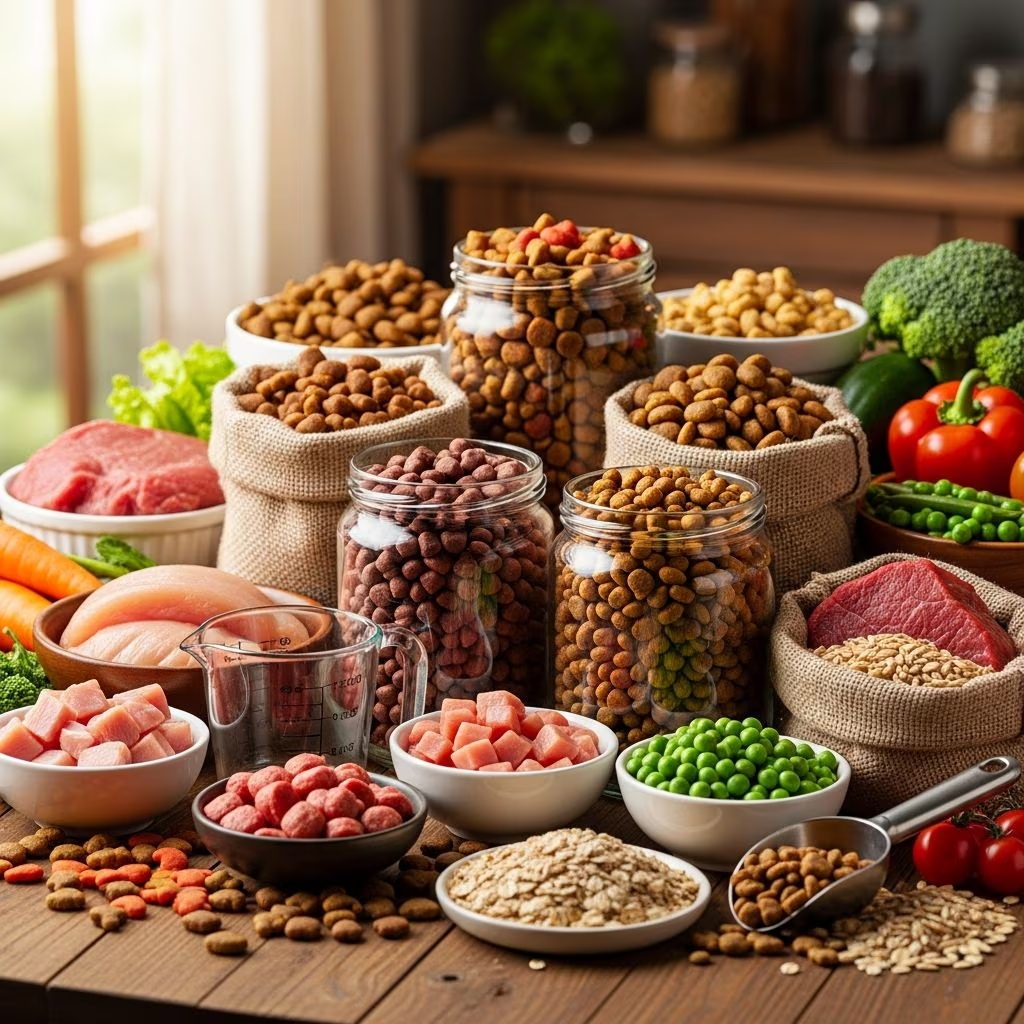
Choosing the right dog food is crucial for your pet’s long-term health, energy levels, and overall well-being. Factors such as nutritional completeness, ingredient quality, and suitability for your dog’s life stage must guide your decision to avoid common pitfalls like nutrient deficiencies or obesity.
Understanding Your Dog’s Unique Nutritional Profile
Every dog has distinct dietary requirements influenced by age, breed size, activity level, and health conditions. Puppies need higher protein and calorie content for rapid growth, while seniors benefit from joint-supporting nutrients and controlled calories to manage weight. Small breeds often require calorie-dense formulas with smaller kibble to prevent choking, whereas large breeds need supplements like glucosamine for joint health.
Activity level plays a pivotal role: working dogs or highly active pets demand more calories and protein, while sedentary dogs thrive on lighter formulas to prevent fat buildup. Health issues such as allergies, digestive sensitivities, or obesity further customize choices—grain-free options suit some, but others need fiber-rich blends for gut health.
Exploring Dog Food Formats and Their Benefits
Dog foods come in various formats, each offering unique advantages in convenience, palatability, and nutrition delivery.
- Dry Kibble: Economical and shelf-stable, kibble supports dental health through chewing action and allows precise portioning. Opt for varieties with named proteins like chicken or beef as primary ingredients.
- Wet Canned Food: High moisture content aids hydration, especially for dogs prone to urinary issues, and its aroma appeals to picky eaters. It can top kibble for variety.
- Semi-Moist Food: Soft texture suits dogs with dental problems, though it often contains more preservatives.
- Raw or Home-Cooked: Mimics ancestral diets with fresh meats and veggies but requires careful balancing to meet nutrient standards—consult a vet to avoid risks.
- Mixed Diets: Combining wet and dry provides balanced benefits like hydration and dental care.
Regardless of format, prioritize products labeled as complete and balanced by AAFCO standards, ensuring all essential nutrients are present.
Mastering Dog Food Label Reading
Labels reveal a food’s true value. Start with the nutritional adequacy statement, which confirms if it’s formulated for all life stages, growth, maintenance, or specific needs like gestation. The guaranteed analysis lists minimum protein (at least 18-26% for adults), fat (10-20%), and fiber percentages.
| Nutrient | Adult Maintenance Min. | Puppy Growth Min. | Senior/Weight Control |
|---|---|---|---|
| Protein | 18% | 22% | 25%+ |
| Fat | 5% | 8% | 10-15% |
| Fiber | 2.5-4.5% | 1.5-4% | 5-10% |
Ingredient lists, in descending order by weight, should prioritize whole proteins (e.g., “chicken” over “chicken by-product meal”) before grains or veggies. Avoid excessive fillers like corn syrup or artificial colors.
Evaluating Core Ingredients for Quality Nutrition
High-quality ingredients form the foundation of superior dog food. Proteins from meat, poultry, or fish supply amino acids for muscle repair and skin health. Carbohydrates from rice, barley, or potatoes provide digestible energy and fiber for digestion—dogs as omnivores benefit from these alongside meats.
Fats from fish oil or chicken fat deliver omega fatty acids for coat shine and brain function. Fiber sources like beet pulp or chicory root promote gut motility. Look beyond the first five ingredients: they should ideally include protein, carbs, fats, vitamins, and minerals. Reputable brands like Purina or Hill’s meet AAFCO via rigorous testing.
Tailoring Food to Breed Size and Special Needs
Breed-specific formulas address unique challenges. Small breeds need higher calories per pound and tiny kibble; large breeds require controlled calcium for bone growth and joint aids.
- Puppies: High protein/fat for development; transition to adult food around 12 months.
- Adults: Balanced for maintenance; adjust for activity.
- Seniors: Lower calories, added antioxidants, and glucosamine.
- Special Diets: Prescription foods for allergies, kidney disease, or weight loss—vet recommended.
Vets help time transitions, ensuring smooth shifts over 7-10 days to avoid tummy upset.
Navigating Common Myths and Marketing Traps
“Grain-free” isn’t inherently better—grains provide vital nutrients unless allergies dictate otherwise. “Holistic” or “natural” lacks regulation, so trust AAFCO over buzzwords. Price doesn’t equal quality; mid-range brands often outperform premium if labels align. Test new foods gradually and monitor stool, energy, and coat for fit.
Practical Steps for Transitioning Diets Safely
Introduce new food over 7-14 days: 25% new on day 1-2, 50% days 3-4, 75% days 5-6, full by day 7. Watch for diarrhea or refusal; revert if issues arise. Annual vet checkups confirm nutritional status via bloodwork.
Frequently Asked Questions (FAQs)
What percentage of protein should dog food have?
Adults need at least 18%, puppies 22%+, per AAFCO.
Is wet food better than dry?
Neither is superior; wet hydrates, dry cleans teeth—choose based on your dog’s preferences.
How do I know if food meets nutritional standards?
Check the AAFCO statement on the label for completeness.
Can I mix dog food types?
Yes, combining wet toppers with kibble enhances appeal and nutrition.
When should I switch from puppy to adult food?
Around 12 months, or per vet advice for large breeds.
Long-Term Benefits of Informed Choices
Consistent, tailored nutrition prevents obesity (affecting 59% of dogs), supports immunity, and extends lifespan. Pair with fresh water, exercise, and vet visits for peak health.
References
- Selecting the Right Pet Food — AAFCO. 2023. https://www.aafco.org/consumers/understanding-pet-food/selecting-the-right-pet-food/
- A Guide to Dog Food Ingredients and Reading Dog Food Labels — PetMD. 2024. https://www.petmd.com/dog/nutrition/pet-food-ingredient-and-label-guide
- How to Choose a Healthy Dog Food — Nature’s Logic. 2024. https://natureslogic.com/blog/how-to-choose-a-healthy-dog-food/
- How To Choose the Right Dog Food — Wholesomes Pet Food. 2024. https://wholesomespetfood.com/how-to-choose-the-right-dog-food/
- Choosing the right food for your dog or cat — Animal Humane Society. 2023. https://www.animalhumanesociety.org/resource/choosing-right-food-your-dog-or-cat



