

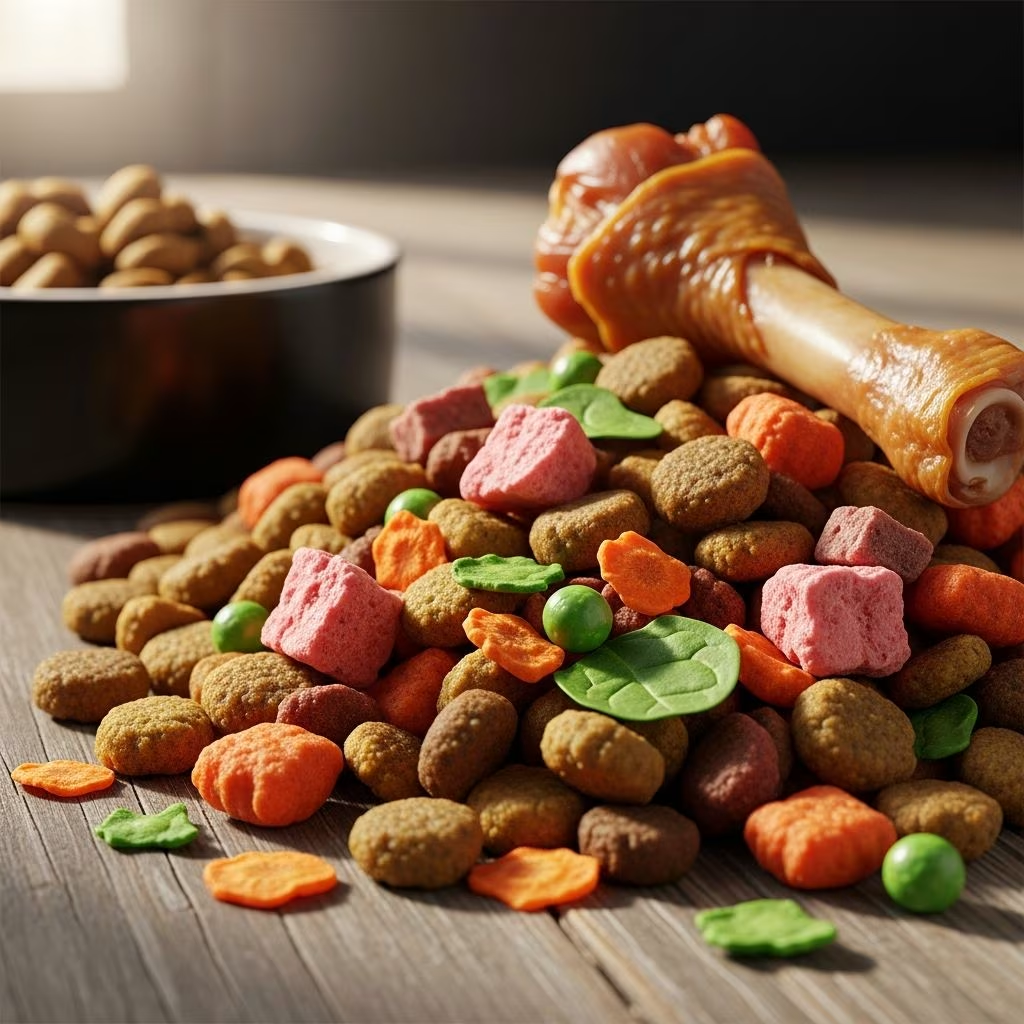
Choosing the right food for an adult dog involves evaluating nutritional balance, portion control, and individual lifestyle factors to promote long-term health and vitality. Adult dogs, typically aged 1 to 7 years depending on breed size, require diets formulated to maintain muscle mass, energy levels, and organ function.
Core Nutrients Every Adult Dog Needs
A complete diet for adult dogs must include six fundamental components: proteins, fats, carbohydrates, vitamins, minerals, and water. These elements work together to support daily activities, immune response, and overall well-being, as outlined by the Association of American Feed Control Officials (AAFCO).
Proteins: Building Blocks for Strength
Proteins supply essential amino acids vital for tissue repair, hormone production, and enzyme function. The AAFCO sets a minimum of 18% protein on a dry matter basis (DMB) for adult maintenance, with high-quality animal sources like meat and fish offering superior digestibility. Plant-based proteins can suffice if properly balanced, but veterinary oversight is recommended for non-meat diets.
Excess protein beyond 30% DMB provides no extra benefit and may strain certain health conditions, converting to energy instead.
Fats: Fuel for Energy and Coat Health
Fats deliver concentrated energy and aid absorption of vitamins A, D, E, and K while promoting glossy coats and healthy skin. Minimum fat levels stand at 5.5% DMB, with omega-3 and omega-6 fatty acids from fish oil or flaxseed enhancing benefits. Active dogs benefit from higher fat content (10-25%), while sedentary ones need moderation to prevent weight gain.
Carbohydrates: Steady Energy Providers
Though not strictly essential, carbohydrates offer digestible energy and fiber for gut health. Dry foods often contain 30-60% carbs from sources like rice, oats, or sweet potatoes, with digestibility varying by type. Fiber-rich options support digestion without excessive calories.
| Carb Type | Sources | Primary Role | Digestibility |
|---|---|---|---|
| Simple Sugars | Fruits, honey | Quick energy | High |
| Oligosaccharides | Legumes, vegetables | Prebiotics, energy | Moderate |
| Polysaccharides | Grains, potatoes | Sustained energy, fiber | Varies |
| Fibrous | Bran, apples | Digestion aid | Fermentable |
Vitamins, Minerals, and Hydration
Micronutrients bolster immunity, bone strength, and metabolic processes. AAFCO-compliant foods ensure adequate levels, but always verify labels. Fresh water remains non-negotiable, preventing dehydration-related issues.
Customizing Nutrition by Lifestyle and Activity
Dogs’ needs differ based on activity, body condition, and purpose. Tailor diets accordingly for optimal results.
| Dog Profile | Protein % | Fat % | Carbs % | Key Benefits |
|---|---|---|---|---|
| Puppy-Growing Adult | 22–32 | 10–25 | <30 | Muscle growth, energy |
| Standard Adult | 18–25 | 8–20 | <30 | Energy balance |
| Highly Active | 25–30 | 15–25 | <25 | Endurance, recovery |
| Senior Adult | 18–23 | 8–15 | <30 | Muscle preservation |
| Weight Control | 25–30 (lean) | 8–12 | <25 | Muscle maintenance, fat reduction |
Seniors require digestible proteins to sustain muscle without kidney strain myths, plus antioxidants like vitamin E and beta-carotene for cellular protection.
Determining Daily Feeding Portions
Portion sizes hinge on weight, calorie density (80-350 kcal/100g), and metabolism. Most adults thrive on two meals daily.
| Weight (lbs) | Daily Amount (cups) |
|---|---|
| 3-12 | ½-1¼ |
| 13-20 | 1¼-1⅔ |
| 21-35 | 1⅔-2⅓ |
| 36-50 | 2⅓-3 |
| 51-75 | 3-3¾ |
| 76-100 | 3¾-4⅔ |
| Over 100 | 4⅔ + ¼ per 10 lbs |
Adjust per package guidelines, consulting vets for specifics like spay/neuter status or health issues.
Life Stage Transitions and Special Considerations
Small breeds mature faster (9-12 months), giants later (18-24 months). Switch gradually over 7-10 days to avoid digestive upset. For approaching seniors (7+ years), prioritize joint support, probiotics like FOS for gut flora, and sustained protein.
- Active Workers: Elevate fats/proteins for stamina.
- Sedentary Pets: Opt for lower calories to combat obesity.
- Sensitive Stomachs: Select limited-ingredient or hydrolyzed formulas.
- Allergies: Avoid common triggers like grains or chicken via novel proteins.
Reading Labels and Ensuring Quality
Seek AAFCO statements guaranteeing complete nutrition. Prioritize named meats first, avoiding fillers or by-products dominating lists. Calorie counts guide precise feeding.
Homemade diets demand veterinary nutritionist input to meet standards safely.
Monitoring Health and Adjusting Diets
Regular weigh-ins, body condition scoring (ideal: visible waist, palpable ribs), and stool quality indicate balance. Annual vet checks catch issues early.
- Weigh monthly; aim for 2-5% body weight loss/gain if needed.
- Observe energy, coat shine, and breath freshness.
- Tweak portions or formulas based on life changes.
Frequently Asked Questions
How often should I feed my adult dog?
Twice daily suits most, spacing meals 12 hours apart for steady energy.
Can I mix wet and dry food?
Yes, if totals match caloric needs; wet adds hydration.
When to switch to senior food?
Around 7 years, or per vet advice based on health.
Is grain-free always better?
Not necessarily; balanced grains provide value unless allergies exist.
How do I transition foods safely?
Blend old and new over 7-10 days: 25% new day 1-2, up to 100%.
Practical Tips for Long-Term Success
Involve your vet in choices, especially for breeds prone to issues (e.g., Labs for obesity). Treats should not exceed 10% calories. Consistent routines foster good habits.
References
- Dog Feeding Chart For Dogs: A Complete Guide — DarwinsPet.com. 2023. https://www.darwinspet.com/blogs/transitioning/feeding-chart-for-dogs-a-complete-guide
- How Much Food Should an Adult Dog Eat? A Comprehensive Guide — Houndsy.com. 2023. https://www.houndsy.com/blogs/modern-tails/how-much-food-should-an-adult-dog-eat-a-comprehensive-guide
- Dog Food Nutrition Facts — DogFoodAdvisor.com. 2023. https://www.dogfoodadvisor.com/choosing-dog-food/dog-food-vitamin-mineral-standards/
- Dog Nutrition: Guide to Dog Food Nutrients — PetMD.com (Veterinary Expert). 2024. https://www.petmd.com/dog/nutrition/evr_dg_whats_in_a_balanced_dog_food
- Dog Feeding Chart: How Much Food Should I Feed My Dog? — PetMD.com. 2024. https://www.petmd.com/dog/nutrition/are-you-feeding-your-dog-right-amount
- Dog Feeding Chart: How Much Should I Feed My Dog? — Purina.com. 2024. https://www.purina.com/articles/dog/feeding/guides/how-much-should-i-feed-my-dog
- Dog Nutrition Tips — ASPCA.org. 2024. https://www.aspca.org/pet-care/dog-care/dog-nutrition-tips



