

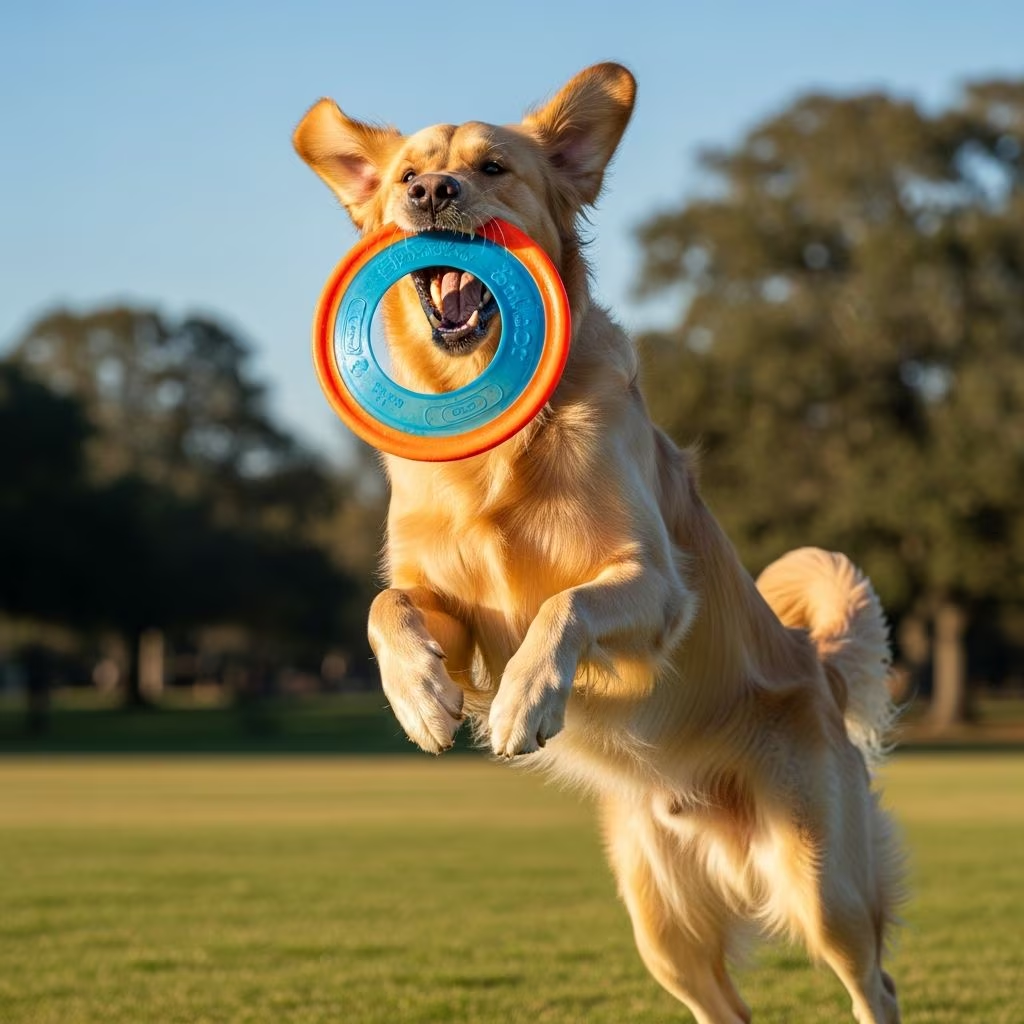
Flying discs have become a staple in dog recreation, offering an engaging way to exercise and bond with your four-legged friend. However, not all frisbees are created equal, and choosing the wrong one can lead to injuries or frustration for both you and your dog. Understanding the differences between disc types, materials, and construction methods will help you make an informed decision that prioritizes your dog’s safety while maximizing enjoyment.
Understanding the Fundamental Differences Between Dog and Human Frisbees
A common misconception is that any flying disc can be used for dog play. In reality, discs designed for Ultimate frisbee or other recreational human sports are fundamentally different from those engineered for canine use. The most critical difference lies in weight distribution and durability.
Traditional human frisbees are typically heavier and more rigid, designed for controlled throws and catches by people. When these discs strike a dog’s teeth or face, they can cause serious injuries including broken teeth, jaw damage, or facial trauma. Canine-specific discs are engineered to be lighter, more flexible, and constructed from materials that can withstand the intense bite force of dogs while minimizing injury risk.
The aerodynamic properties also differ significantly. Dog discs must achieve optimal flight characteristics at the velocities typically thrown by dog owners, which often differ from competitive human play scenarios. This ensures your dog can easily track and catch the disc without it becoming unstable or difficult to manage.
Material Composition: Finding the Right Balance
The materials used in frisbee construction directly impact safety, durability, and performance. Several primary material categories dominate the market:
- Soft Rubber and Elastomer Discs: These materials provide a forgiving catch surface that reduces impact injuries to your dog’s mouth and teeth. They typically have more flexibility, allowing dogs to grip and retrieve them more easily. However, they may not perform as well in windy conditions and generally don’t fly as far as stiffer alternatives.
- Foam-Based Discs: Constructed with foam cores and softer rim construction, these discs offer excellent grip for dogs with wet mouths or those with difficulty picking up harder materials. The foam composition absorbs impact energy, reducing stress on teeth and gums. They’re particularly suitable for senior dogs or those with dental sensitivity.
- Durable Plastic Compounds: High-performance plastics engineered specifically for dog discs offer superior flight characteristics and durability. These materials are puncture-resistant and can withstand intense chewing without splintering or breaking apart. They maintain their aerodynamic properties through repeated use and perform well in various weather conditions.
- Hybrid Construction: Some premium discs combine materials strategically—for example, using a flexible rubber rim with a stiffer center. This approach balances catchability with flight performance, offering versatility for different play styles.
Size and Weight Considerations for Different Dogs
Disc selection isn’t one-size-fits-all. Your dog’s size, age, and physical capabilities should guide your choice.
| Dog Size Category | Recommended Disc Diameter | Weight Range | Best Material Type |
|---|---|---|---|
| Small Dogs (Under 25 lbs) | 4-6 inches | Lighter (under 100g) | Soft rubber or foam |
| Medium Dogs (25-60 lbs) | 7-8 inches | 100-150g | Flexible plastic or hybrid |
| Large Dogs (Over 60 lbs) | 9-10 inches | 150-200g | Durable plastic compounds |
Weight significantly affects both flight characteristics and safety. A disc that’s too heavy may be difficult for your dog to catch and carry, while one that’s too light may not fly predictably, especially in windy conditions. The 145-gram weight range has become a popular standard for general dog play, offering a compromise between distance capability and safety impact reduction.
Assessing Durability and Puncture Resistance
Dogs with aggressive chewing behaviors need discs that can withstand significant bite force without tearing, splintering, or releasing small fragments that could be ingested. Puncture-resistant materials are engineered to resist teeth penetration while maintaining structural integrity during vigorous play.
When evaluating durability, consider:
- Material thickness and density throughout the disc
- Reinforced rim construction to prevent tearing at stress points
- Resistance to UV degradation from sun exposure
- Ability to maintain shape and flight characteristics after extended use
- Manufacturing standards specific to canine applications
Discs designed for competitive canine disc sports undergo rigorous testing to ensure they meet safety standards while delivering reliable performance. These standards, while more expensive, often provide superior longevity and reduced injury risk compared to casual play alternatives.
Evaluating Flight Performance and Aerodynamics
How a disc flies directly impacts your dog’s ability to track, predict, and successfully catch it. Superior aerodynamic design ensures stable, predictable flight paths that make the game enjoyable for both parties.
Key aerodynamic considerations include:
- Lift Distribution: Well-designed discs maintain consistent lift across their surface, preventing unexpected wobbling or dropping mid-flight.
- Wind Resistance: Heavier, more rigid discs handle crosswinds better than lighter, more flexible alternatives, making them preferable for outdoor play in variable conditions.
- Distance Capability: Optimized aerodynamic profiles allow discs to travel farther with less effort, enabling more exciting play sessions.
- Glide Characteristics: A disc with good glide maintains altitude longer, giving your dog more time to locate and pursue it.
Different aerodynamic profiles suit different play styles. Fast, responsive discs work well for experienced disc dogs, while slower, more forgiving designs benefit beginners or younger dogs still learning the game.
Safety Features Beyond Materials
Material composition represents only one aspect of safety. Other design features significantly impact injury prevention:
- Rounded Edge Design: Discs with properly rounded edges reduce the risk of gum and mouth injuries during catches. Sharp edges can cut soft tissues even with softer materials.
- Grip Surface Texture: Textured surfaces help dogs grip and carry the disc, reducing the likelihood of it slipping from their mouth and causing tracheal injuries.
- Visibility Features: Bright colors and reflective or glow-in-the-dark options help your dog track the disc more easily, reducing collision risks and improving catching success.
- Weight Distribution: Balanced weight throughout the disc prevents unexpected flight patterns that could result in mishaps.
Matching Disc Type to Play Environment
Your playing environment influences which disc type works best:
- Water Play: Discs intended for water use feature materials that resist waterlogging and maintain consistent flight characteristics when wet. Amphibious designs with enhanced grip properties excel in these conditions.
- Open Fields: Larger, open spaces allow for discs with superior distance capabilities and those that perform well in wind. Heavier, more rigid discs often excel in these settings.
- Urban or Small Spaces: Limited areas require discs with good control characteristics and predictable flight patterns at shorter distances. Lighter, more flexible discs may be preferable.
- Beach or Sandy Terrain: Environments prone to dirt accumulation benefit from discs with smooth surfaces that can be easily cleaned without material degradation.
Understanding Market Options and Quality Indicators
The dog frisbee market includes products ranging from budget-friendly options to premium competition-grade discs. Quality indicators include:
- Manufacturer specialization in canine disc sports
- Compliance with established safety standards for dog toys
- Availability through reputable specialty retailers rather than only mass-market chains
- Positive reviews from both casual players and competitive disc dog athletes
- Transparent material composition and manufacturing information
- Reasonable pricing that reflects material quality and engineering
Premium discs typically cost between $15 and $25, while budget alternatives may range from $5 to $10. The price difference often reflects durability, flight performance, and safety features. Investing in higher-quality options can result in cost savings over time due to extended product lifespan and reduced veterinary expenses from injuries.
Practical Selection Guidelines
When choosing a disc, follow this systematic approach:
- Assess your dog’s size, age, and physical condition to determine appropriate dimensions and weight ranges.
- Identify your primary play environment and frequency to guide material selection.
- Evaluate your dog’s chewing intensity and bite force to determine necessary durability features.
- Consider your experience level with disc dog activities; beginners benefit from discs with forgiving flight characteristics.
- Research manufacturer reputation and read reviews from verified buyers.
- Prioritize safety features over distance capability or competitive advantages.
- Test multiple discs when possible before committing to regular use.
Frequently Asked Questions
How often should I replace my dog’s frisbee?
Replacement frequency depends on material quality, usage intensity, and your dog’s chewing behavior. High-quality durable discs may last 1-2 years with regular use, while softer alternatives might need replacement every 3-6 months. Inspect regularly for tears, punctures, or material degradation, replacing immediately if found.
Can my dog use a human frisbee?
Occasionally using a human frisbee in supervised play may be safe, but regular use isn’t recommended. Human discs are heavier and can cause injuries to dogs’ teeth and facial structures upon impact. Dog-specific discs are engineered to minimize these risks.
What’s the ideal disc weight for beginners?
Beginners typically benefit from discs in the 100-150 gram range, which offer a balance between distance capability and safety. Lighter discs are easier to control but may not fly as predictably, while heavier options provide better flight stability but require more throwing technique.
Are glow-in-the-dark discs safe for dogs?
Yes, most reputable glow-in-the-dark dog discs use safe phosphorescent materials that don’t harm dogs if ingested in small quantities. However, discs should be removed after play to prevent chewing and potential material consumption.
How do I clean and maintain my dog’s frisbee?
Clean discs with mild soap and water, drying thoroughly before storage. Avoid harsh chemicals or abrasive scrubbing that might damage materials. Store in cool, dry locations away from direct sunlight to prevent UV degradation.
Conclusion: Making an Informed Choice
Selecting the right flying disc for your dog involves balancing safety, durability, performance, and your specific needs. By understanding material options, considering your dog’s characteristics, and prioritizing safety features, you can choose a disc that provides years of enjoyable play while minimizing injury risks. Whether your dog is a casual player enjoying neighborhood recreation or an aspiring competitive disc athlete, quality equipment tailored to their needs enhances the experience for everyone involved.
References
- The Best Dog Frisbee Discs | Fetch Toys | Sniffspot Blog — Sniffspot. 2024. https://www.sniffspot.com/blog/dog-enrichment/best-dog-frisbee-discs-for-playing-fetch
- How to Choose the Right K9 Frisbee for Your Dog — Disc Dog League / Toss and Fetch. 2024. https://tossandfetch.com/how-to-choose-the-right-frisbee-for-your-dog/
- Hyperflite Flying Discs Overview — Hyperflite. 2024. https://hyperflite.com/discs-overview/
- The Best Dog Frisbees | Tested & Ranked — TechGearLab. 2024. https://www.techgearlab.com/topics/home/best-dog-frisbee
- What’s the Best Frisbee Disc for Dogs? — Whole Dog Journal. 2024. https://www.whole-dog-journal.com/lifestyle/whats-the-best-frisbee-disc-for-dogs/



