

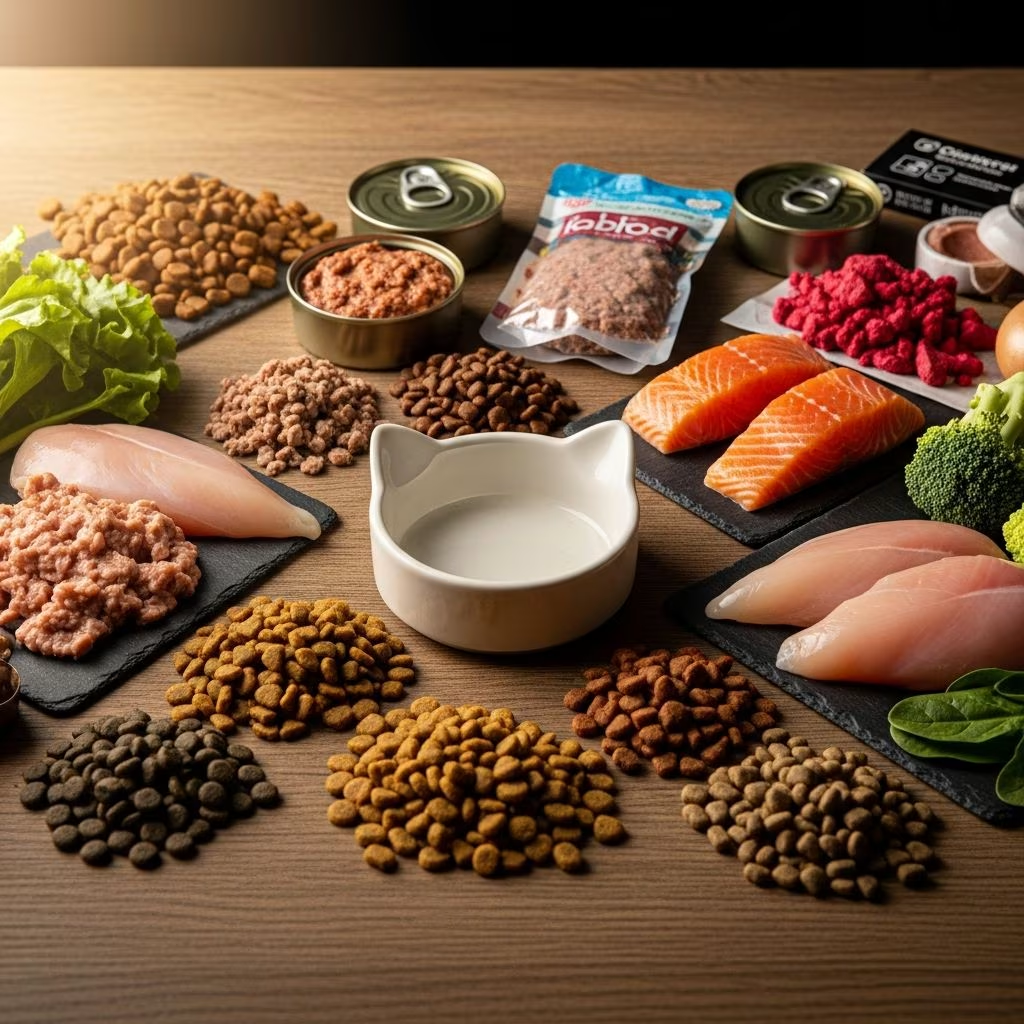
Cats require specific nutrients to thrive as obligate carnivores, relying heavily on animal-based proteins, fats, and essential amino acids like taurine that their bodies cannot produce sufficiently on their own. Choosing the right food involves evaluating ingredients, meeting life-stage needs, and ensuring balance to prevent deficiencies or obesity.
Understanding Your Cat’s Unique Nutritional Profile
Felines have evolved as hunters, needing diets mimicking whole prey: high in protein (around 30-50% for many), moderate fats, and low carbohydrates (ideally under 10-15%). Key components include taurine for heart and eye function, arachidonic acid for skin and reproduction, and vitamin A, all primarily from meat sources.
Adult maintenance diets must provide at least 26% protein and 9% fat per AAFCO standards, while kittens need 30% protein minimum to fuel rapid growth. Fats supply energy and essential fatty acids like omega-3 and omega-6 for coat health and inflammation control. Carbohydrates, though not essential, aid digestion in moderation but excess can lead to weight gain.
Decoding Cat Food Labels for Smart Choices
Labels list ingredients by weight descending; prioritize those starting with named meats like “chicken” over generics like “poultry byproduct.” Look for AAFCO statements confirming completeness for growth, maintenance, or all life stages.
- Guaranteed Analysis: Shows min/max protein, fat, fiber, moisture. Convert wet food to dry matter basis (subtract moisture percentage) for fair comparisons.
- Calorie Content: Listed as kcal/cup or per can; aim for 25-35 kcal per pound of body weight daily, adjusted for activity.
- Feeding Directions: Use as starting point, but tailor to your cat’s weight, spay/neuter status, and lifestyle.
Avoid foods heavy in fillers like corn or wheat if possible, as cats digest plant proteins less efficiently due to shorter intestines.
Tailoring Diets to Life Stages
Nutritional demands shift from kittenhood through seniority, requiring formula switches around 1 year and again at 7-11 years.
Kitten Nutrition: Fueling Explosive Growth
Weaning kittens (4-8 weeks) benefit from frequent, nutrient-dense meals. Dry kitten kibble suits free-feeding as it doesn’t spoil, providing 30%+ protein, DHA for brain development, and higher calories. Free-choice feeding works until 4 months, then transition to 3-4 meals daily.
Prime Adult Years: Maintaining Peak Condition
From 1-7 years, focus on lean muscle preservation with 35%+ protein diets matching prey profiles. Active cats need more calories; indoor ones less to avoid obesity. Rotate flavors to prevent boredom while sticking to quality formulas.
Senior Cat Care: Supporting Graceful Aging
Over 7 years, prioritize joint health (glucosamine), kidney support (controlled phosphorus), and digestibility. Lower-calorie senior foods combat metabolism slowdown, with added antioxidants for immunity. Monitor for weight loss or dental issues prompting wet food shifts.
Wet vs. Dry Cat Food: Weighing the Options
Each format has merits; many vets suggest mixing for balance.
| Aspect | Wet Food | Dry Food |
|---|---|---|
| Moisture Content | 75-85% – Boosts hydration, reduces urinary risks | 5-10% – Cats may drink less, risking crystals |
| Protein Levels | Often higher animal sources, lower carbs | Comparable on dry basis, but check carbs |
| Palatability | High; ideal for picky or senior cats | Convenient, supports dental via crunch |
| Cost & Storage | Pricier, refrigerated post-open | Affordable, shelf-stable |
| Daily Example (10lb cat, 250kcal) | ⅔ of 5.5oz can (181kcal/can) | ¼ cup (483kcal/cup) |
Wet food excels for hydration—cats’ wild prey is 70% water—while dry offers convenience. A combo (e.g., wet mornings, dry free-choice) maintains variety and health.
Portion Control and Feeding Strategies
Overfeeding causes obesity; use body condition scoring (visible waist, palpable ribs). For a 10lb cat: 250kcal/day neutered indoor, up to 350kcal active. Split into 2-3 meals; avoid free-feeding adults to regulate intake.
Adjust for factors:
- Neutered/spayed: 20-30% fewer calories
- Pregnant/lactating: Up to 2-3x maintenance
- Obese: Gradual reduction under vet guidance
Track weight monthly; consult vets for personalized plans.
Safe Treats and Human Foods in Moderation
Treats should be <10% calories. Opt for protein-rich like cooked chicken, turkey, fish, eggs—unseasoned. Toxic no-gos: onions, garlic, chocolate, grapes, xylitol. Commercial treats must meet AAFCO if primary, but use sparingly.
Special Dietary Considerations
Health Conditions
Vet-prescribed diets manage urinary, renal, or allergies: e.g., low-ash for crystals, hydrolyzed protein for sensitivities.
Breed-Specific Needs
Persians may need dental formulas; Maine Coons higher protein for muscle.
Indoor vs. Outdoor Lifestyles
Indoor cats: Lower calorie, higher fiber. Outdoor: More energy-dense.
Common Mistakes to Avoid
- Ignoring AAFCO approval
- Free-feeding adults leading to obesity
- Human foods as staples
- Not transitioning foods gradually (7-10 days mix)
- Overlooking water intake—fountains encourage drinking
Frequently Asked Questions
How often should I feed my cat?
Kittens: 3-4 times/day; adults: 2 meals; seniors: smaller, frequent.
Is grain-free always better?
Not necessarily; focus on protein quality over grains if balanced.
Can cats eat dog food?
No—lacks taurine, higher carbs.
When to switch foods?
Life stage changes, vet recommendation, or issues like allergies.
How much water does my cat need?
Daily fresh supply; wet food helps meet 70-75% moisture needs.
Transitioning to a New Diet Smoothly
Mix 25% new with 75% old on day 1, increasing over 7-10 days to avoid GI upset. Monitor stool and appetite.
In summary, prioritize meat-first, AAFCO-approved foods matching life stage and health, with portion control and hydration key to vitality. Regular vet checkups fine-tune choices.
References
- Cat Diet Guide: What Should I Feed My Cat? — Chewy. 2023. https://www.chewy.com/education/cat/food-and-nutrition/cat-nutrition
- Cat Nutrition — ASPCA Pet Health Insurance. 2024. https://www.aspcapetinsurance.com/resources/cat-nutrition/
- Cat Nutrition Tips — ASPCA. 2023. https://www.aspca.org/pet-care/cat-care/cat-nutrition-tips
- Nutritional Needs: A Guide To Selecting Cat Food — Texas A&M University College of Veterinary Medicine. 2022-10-15. https://vetmed.tamu.edu/news/pet-talk/selecting-cat-food/
- How Much To Feed a Cat — PetMD. 2024. https://www.petmd.com/cat/nutrition/how-much-to-feed-a-cat
- Feeding Your Cat: Know the Basics of Feline Nutrition — CatInfo.org (Dr. Lisa Pierson). 2023. https://catinfo.org
- Feeding Your Cat — Cornell University College of Veterinary Medicine. 2024. https://www.vet.cornell.edu/departments-centers-and-institutes/cornell-feline-health-center/health-information/feline-health-topics/feeding-your-cat



