

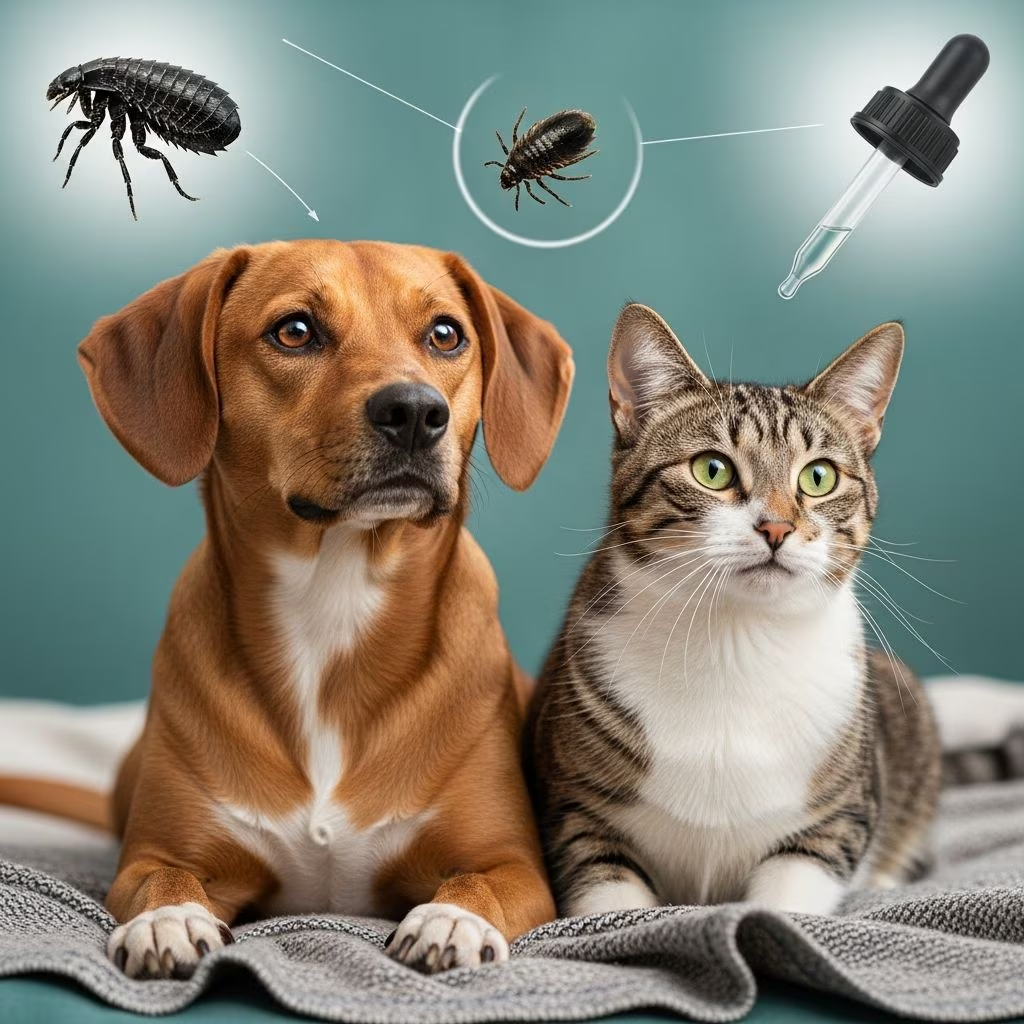
Understanding Selamectin: A Complete Guide to Topical Parasite Control
Selamectin is an FDA-approved topical antiparasitic medication that has become a cornerstone of modern pet healthcare for treating and preventing parasitic infections in dogs and cats. Known by brand names such as Revolution, Revolt, Selarid, and Senergy, this powerful medication offers comprehensive protection against multiple parasitic threats that can compromise your pet’s health and comfort. Applied directly to the skin at the back of the neck, selamectin represents a convenient and effective solution for pet owners seeking reliable parasite prevention and treatment.
What Is Selamectin?
Selamectin is an avermectin antiparasitic medication classified as a parasiticide and anthelminthic agent. Originally developed by Pfizer (now Zoetis) and approved by the U.S. Food and Drug Administration in 1999, selamectin represents a significant advancement in veterinary parasitic disease management. The medication is available in multiple formulations under different brand names, including generic versions such as Selarid (manufactured by Norbrook) and Senergy (manufactured by Virbac).
Unlike many other antiparasitic medications that are administered orally, selamectin is unique within the avermectin class as a topical solution. This distinctive formulation allows for ease of application and reduced risk of gastrointestinal side effects that can occur with oral medications. The medication is approved for use in dogs and puppies at least 6 weeks of age and cats and kittens at least 8 weeks of age.
Parasites That Selamectin Treats and Prevents
Selamectin offers broad-spectrum protection against numerous parasitic threats that commonly affect companion animals. Understanding which parasites selamectin targets helps pet owners recognize why their veterinarian may recommend this medication.
In Dogs and Puppies
For canine patients, selamectin effectively treats and controls the following parasitic infections:
– Flea infestations and flea allergy dermatitis- Heartworm disease (prevention and treatment)- Ear mites (Otodectes cynotis)- Sarcoptic mange (scabies caused by Sarcoptes scabiei)- American dog tick (Dermacentor variabilis) infestations- Hookworms- Roundworms
In Cats and Kittens
Feline patients benefit from selamectin’s protection against:
– Flea infestations and flea-related allergic dermatitis- Heartworm disease (prevention and treatment)- Ear mites (Otodectes cynotis)- Roundworm infections- Hookworm infections
Additionally, selamectin may be used “off-label” or “extra-label” in both dogs and cats for treating other parasitic conditions such as notoedric mange and nasal mites, though these uses have not received formal FDA approval.
How Selamectin Works
Selamectin operates through a sophisticated biological mechanism that makes it highly effective against parasitic organisms. The medication works by activating glutamate-gated chloride channels at the muscle synapses of parasites. This activation allows chloride ions to enter the nerve cells of the parasitic organisms, creating an electrolyte imbalance that leads to neuromuscular paralysis and ultimately the death of the parasite.
The unique aspect of selamectin’s action is that it activates chloride channels without desensitization, meaning the channels remain open and continue to allow ion flow, which maintains the paralytic effect. This mechanism is effective against both external parasites (ectoparasites) like fleas and ticks, as well as internal parasites (endoparasites) like heartworms and intestinal worms.
When applied topically to the back of the neck, selamectin is absorbed through the skin and hair follicles, then travels throughout the body via the bloodstream, intestines, and sebaceous glands. Parasites ingest the medication when they feed on the animal’s blood or the secretions from the sebaceous glands, ensuring comprehensive protection against both surface and internal infections.
Application and Dosing Guidelines
How to Apply Selamectin
Selamectin application is straightforward and can be performed at home or by a veterinary professional. The liquid medication is applied topically at the back of the neck, directly onto the skin. This location is chosen specifically to prevent pets from licking the medication off immediately after application. Pet owners should part the fur at the base of the skull between the shoulder blades and apply the entire contents of the tube or vial to expose the skin.
Dosing Schedule
For standard parasite prevention and treatment, selamectin is administered once monthly. Each application provides approximately 30 days of protection against parasitic infections. However, when selamectin is used off-label for certain conditions, it may be administered more frequently than the standard monthly interval, as determined by a veterinarian’s specific recommendations.
The medication begins to work remarkably quickly, with studies demonstrating efficacy within the first 4 to 8 hours following application. This rapid onset of action makes selamectin an excellent choice for pets with active parasitic infections requiring immediate relief.
The Benefits of Selamectin for Pet Healthcare
Selamectin offers numerous advantages that have made it a preferred choice among veterinarians and pet owners for over two decades:
– Comprehensive Protection: Single monthly applications provide broad-spectrum coverage against multiple parasitic species, simplifying pet healthcare routines- FDA Approval: Regulatory approval ensures the medication has undergone rigorous testing for safety and efficacy in approved species and age groups- Rapid Action: The medication begins controlling parasites within 4 to 8 hours of application, providing quick relief for symptomatic pets- Excellent Tolerance: Selamectin is well-tolerated by animals including very young puppies and kittens, with a favorable safety profile- Topical Convenience: The simple topical application eliminates the challenges some pet owners face with oral medications, such as hiding pills in food or dealing with medication refusal- Dual Activity: The medication effectively treats both external parasites and internal parasitic infections with a single product- Allergy Relief: By eliminating fleas, selamectin helps reduce flea allergy dermatitis symptoms in susceptible pets
Special Formulations and Combination Products
The veterinary pharmaceutical industry has developed advanced formulations of selamectin to address specific clinical needs. One notable example is Revolution Plus (selamectin and sarolaner combination), approved by the FDA in November 2018 for use in cats. This combination product includes sarolaner, which belongs to the isoxazoline class of parasiticides and provides enhanced efficacy against multiple tick species by overexciting their nervous systems.
Studies evaluating the combination of selamectin and sarolaner demonstrate that adding sarolaner does not impede selamectin’s ability to prevent heartworm disease, making Revolution Plus a comprehensive antiparasitic option for cats requiring protection against multiple parasitic threats.
Efficacy and Clinical Evidence
Numerous field studies have substantiated selamectin’s effectiveness against the parasitic infections for which it is indicated. Clinical research has demonstrated selamectin’s efficacy in:
– Flea Control: Selamectin kills adult fleas when they feed on the pet’s blood and reduces flea egg production, helping to break the flea life cycle over time- Heartworm Prevention and Treatment: The medication kills the immature larval stage of heartworms transmitted by mosquitoes before they can develop into adult worms that damage cardiac and pulmonary tissue- Intestinal Parasite Elimination: Selamectin disrupts the neuromuscular systems of roundworms and hookworms, causing paralysis and death, allowing the pet’s body to expel the parasites- Ear Mite Control: The medication effectively kills adult ear mites living in the ear canal, quickly improving associated itching and irritation- Mange Treatment: Clinical trials have confirmed selamectin’s efficacy against sarcoptic mange in dogs
Safety Profile and Considerations
Selamectin has demonstrated an excellent safety profile across multiple species and age groups. The medication is well-tolerated by puppies as young as 6 weeks old and kittens as young as 8 weeks old. Adverse reactions are generally rare and typically mild when they do occur.
Pet owners should inform their veterinarian about any medications their pet is currently receiving, as well as any history of adverse reactions to medications. Additionally, pets should be weighed accurately prior to application to ensure the appropriate formulation strength is selected. Pregnant or nursing animals should be treated only under veterinary guidance, as safety data in these populations may be limited.
Extended Uses in Small Animals
Beyond its FDA-approved indications, veterinarians may recommend selamectin off-label for treating parasitic infections in small animals such as rabbits, guinea pigs, and other exotic pets. Clinical studies have demonstrated that selamectin can be used to treat ectoparasitic infections in these species, with dosages ranging from 15-20 mg/kg depending on the specific animal and parasitic target.
Frequently Asked Questions About Selamectin
Q: How long does selamectin take to work?
A: Selamectin begins working within 4 to 8 hours of application, though complete elimination of all parasites may take several days to weeks depending on the specific parasite and infection severity.
Q: Can selamectin be used in very young puppies and kittens?
A: Yes, selamectin is FDA-approved for puppies as young as 6 weeks old and kittens as young as 8 weeks old, making it suitable for protecting young animals from parasitic infections.
Q: Is selamectin safe for pregnant or nursing animals?
A: While selamectin has a good safety profile, pregnant or nursing animals should only be treated under direct veterinary guidance, as safety data in these specific populations may be limited.
Q: How often should selamectin be applied?
A: For standard parasite prevention and treatment, selamectin is applied once monthly. However, veterinarians may recommend more frequent applications for certain off-label uses.
Q: Can selamectin be used alongside other medications?
A: Pet owners should always inform their veterinarian about other medications their pet is receiving, as certain drug interactions may occur. A veterinarian can determine the safety of concurrent medication use.
Q: What should I do if I miss a monthly application?
A: If a monthly application is missed, apply selamectin as soon as possible and resume the regular monthly schedule. Consult your veterinarian if you have concerns about potential parasitic exposure during the missed interval.
Q: Are generic versions of selamectin as effective as brand-name Revolution?
A: FDA-approved generic versions of selamectin, such as Selarid and Senergy, contain the same active ingredient and are required to meet the same efficacy and safety standards as brand-name formulations.
References
- Selamectin Topical for Dogs and Cats — WebMD. 2024. https://www.webmd.com/pets/pet-meds/selamectin-topical-dogs-cats
- Selamectin Use in Companion Animals — Today’s Veterinary Practice. 2024. https://todaysveterinarypractice.com/pharmacology/selamectin-use-in-companion-animals/
- Revolution and Revolution Plus (Selamectin/Sarolaner) for Cats and Dogs — PetMD. 2024. https://www.petmd.com/pet-medication/revolution
- Selamectin — Wikipedia. 2024. https://en.wikipedia.org/wiki/Selamectin
- Selamectin for Cats: Causes, Treatment and Associated Medications — Vetster. 2024. https://vetster.com/en/medications/cat/selamectin-for-cats



