

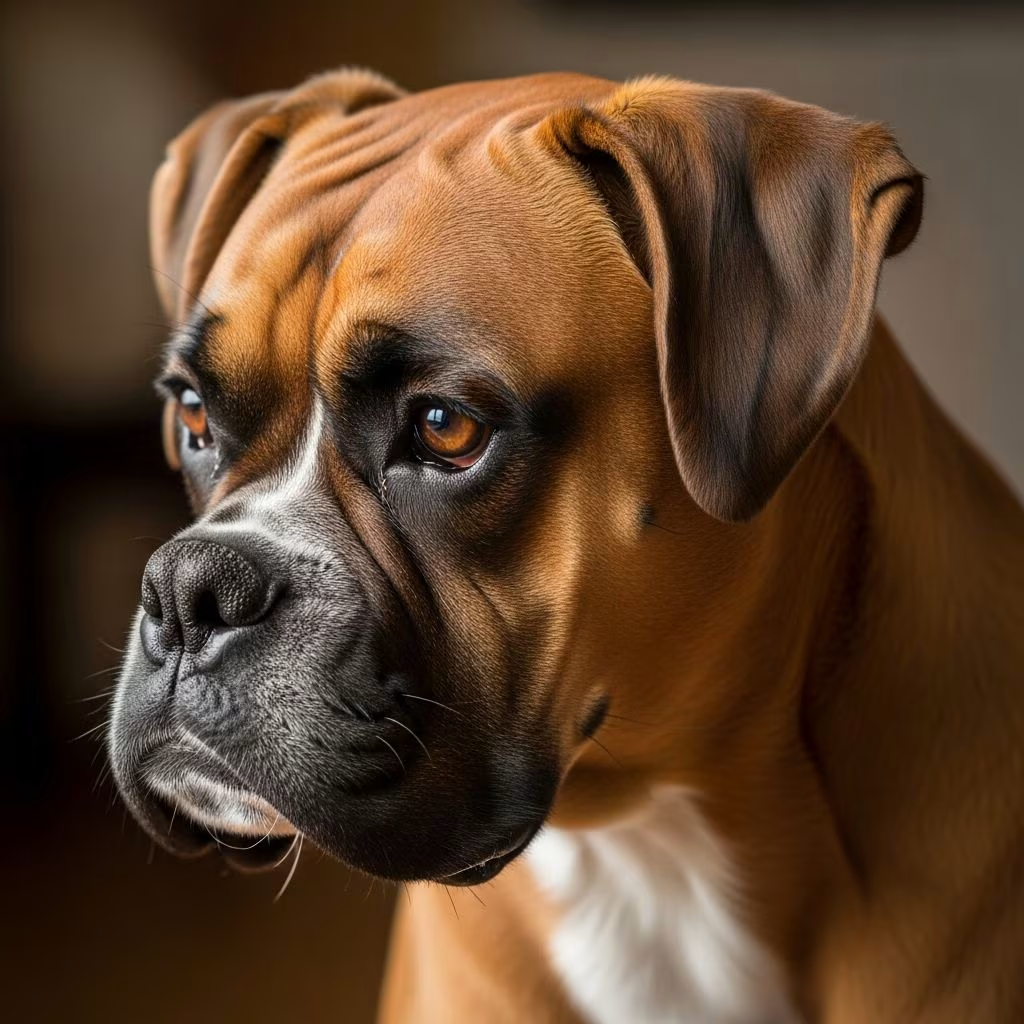
Boxer dogs, known for their energetic and loyal nature, can face serious health challenges like seizures, which manifest as sudden, uncontrolled bursts of electrical activity in the brain. These episodes range from subtle facial twitches to intense full-body convulsions, often alarming pet owners. While seizures occur across breeds, Boxers show a notable predisposition to structural causes, particularly brain tumors, making prompt recognition and intervention crucial.
Recognizing Seizure Types in Boxers
Seizures in dogs fall into two primary categories: generalized and focal, each with distinct characteristics that affect how Boxers behave during an episode.
Generalized Seizures: Full-Body Impact
Generalized seizures involve both hemispheres of the brain, leading to widespread symptoms. Boxers may stiffen rigidly (tonic phase) before progressing to rhythmic jerking (clonic phase), often losing consciousness, urinating, or defecating. These tonic-clonic events typically last 1-3 minutes and can leave the dog disoriented post-seizure.
Focal Seizures: Localized Brain Activity
Focal seizures originate in one brain region, such as the temporal lobe, causing targeted symptoms like head bobbing, lip smacking, fly-biting, or excessive drooling. In Boxers, these may start mildly but can evolve into generalized seizures, mimicking odd behaviors initially.
- Motor signs: Facial twitching, repetitive blinking, or limb jerking.
- Behavioral signs: Circling, snapping at imaginary flies, or aimless pacing.
- Autonomic signs: Salivation, vomiting, or pupil dilation.
Why Boxers Are Prone to Seizures
Unlike many breeds where idiopathic epilepsy dominates, seizures in Boxers frequently stem from identifiable structural issues. A study of 74 Boxer dogs revealed that most cases involved suspected intracranial neoplasia, even in younger animals, underscoring the breed’s vulnerability.
Structural Brain Abnormalities
Brain tumors, including meningiomas or metastatic growths, compress neural tissue, triggering focal or generalized seizures. These may be the sole clinical sign, emphasizing the need for imaging regardless of age.
| Cause Category | Examples in Boxers | Prevalence Insight |
|---|---|---|
| Intracranial Neoplasia | Meningiomas, gliomas | Majority of cases per Boxer study |
| Inflammatory Diseases | Granulomatous meningoencephalitis (GME) | Common acquired trigger |
| Trauma or Infection | Head injury, distemper | Leads to scar tissue |
Metabolic and Toxic Triggers
Metabolic imbalances like hypoglycemia (low blood sugar), hypocalcemia, liver shunts, or kidney disease disrupt brain function. Toxins such as chocolate, antifreeze, xylitol, or caffeine are frequent culprits, especially in curious Boxers.
Idiopathic Epilepsy: Less Common in Boxers
Idiopathic epilepsy, a genetic condition without a detectable cause, affects 2-5% of dogs but is rarer in Boxers compared to breeds like Labradors. When present, it typically emerges between 6 months and 6 years.
Phases of a Seizure Episode
Seizures unfold in predictable stages, helping owners track and time events for vets.
- Pre-Ictal (Aura): Restlessness, anxiety, hiding, or salivation signals impending onset, lasting minutes to hours.
- Ictal: Active seizure with convulsions or focal signs, ideally under 5 minutes.
- Post-Ictal: Confusion, pacing, blindness, or thirst; recovery spans minutes to days.
Cluster seizures (multiple in 24 hours) or status epilepticus (over 5 minutes) demand emergency care to prevent brain damage.
Diagnosis: Uncovering the Root Cause
Veterinarians start with a history, neurological exam, and bloodwork to rule out metabolic issues. For Boxers, advanced imaging is vital due to neoplasia risks.
- Blood Tests: Check glucose, liver/kidney function, electrolytes.
- Cerebrospinal Fluid Analysis: Detects infections or inflammation.
- MRI/CT Scans: Gold standard for tumors or lesions; recommended even for Tier I idiopathic suspects in Boxers.
Even without overt neuro deficits, MRI is advised as seizures may precede other tumor signs.
Immediate Response During a Seizure
Stay calm—most seizures self-resolve. Clear space, dim lights, and time the event without restraining your Boxer.
- Prevent injury: Move objects, but don’t touch the mouth.
- Monitor vitals: Note duration, symptoms, triggers.
- Seek help: If over 5 minutes, clusters, or first-time in dogs over 5 years.
Treatment and Long-Term Management
Treatment targets the cause while controlling frequency.
Addressing Underlying Conditions
Surgery for tumors or shunts, antibiotics for infections, or toxin removal resolve many cases. Metabolic corrections like glucose administration halt acute episodes.
Anti-Seizure Medications
For recurrent seizures, phenobarbital, potassium bromide, or levetiracetam reduce frequency by 50-100%. Regular blood monitoring ensures safety.
Lifestyle Adjustments
Avoid triggers: Stress, flashing lights, skipped meals. Maintain consistent routines, diets low in triggers, and regular vet check-ups.
Prognosis for Boxer Dogs with Seizures
Outcomes vary by cause. Idiopathic epilepsy allows normal lifespans with meds, but structural issues like tumors carry guarded prognoses. Early MRI guides realistic expectations.
Owners report improved quality of life through vigilant management, with many Boxers thriving post-diagnosis.
FAQs on Boxer Dog Seizures
What triggers seizures in Boxer dogs?
Common triggers include stress, toxins, low blood sugar, or brain lesions. In Boxers, tumors often underlie without obvious prompts.
Are seizures fatal for Boxers?
Rarely directly, but prolonged ones (status epilepticus) risk death. Most recover fully with prompt care.
Can diet help prevent seizures in Boxers?
Maintaining stable blood sugar via balanced meals aids, especially for metabolic cases. Avoid toxin-laden foods like chocolate.
How often do Boxers need vet check-ups for seizures?
Every 6 months or after changes in frequency/meds, with bloodwork to monitor therapy.
Is epilepsy hereditary in Boxers?
Less common than structural epilepsy; genetic testing isn’t standard, but breeding affected dogs is discouraged.
Supporting Your Boxer’s Well-Being
Beyond medical care, emotional support reduces stress-induced episodes. Provide a quiet recovery space, gentle exercise, and track logs for patterns. Joining owner groups shares insights on breed-specific challenges.
With diligence, many Boxers navigate seizures effectively, maintaining their playful spirits.
References
- Focal Seizures in Dogs: Causes, Symptoms, and Treatment — ToeGrips. 2023. https://toegrips.com/focal-seizures-dogs/
- Dog Seizure Disorders: Types, Causes, Symptoms, and Treatments — WebMD. 2024-10-15. https://www.webmd.com/pets/dogs/dog-seizure-disorders
- Prevalence of idiopathic epilepsy and structural epilepsy in 74 Boxer dogs — PMC (NCBI). 2022-08-29. https://pmc.ncbi.nlm.nih.gov/articles/PMC9437913/
- Seizures in Dogs: Symptoms, Causes, and What To Do — PetMD. 2024. https://www.petmd.com/dog/symptoms/seizures-in-dogs
- Seizures in Dogs: Causes, Triggers, and Prevention — AKC. 2023-11-12. https://www.akc.org/expert-advice/health/seizures-in-dogs/
- Understanding Dog Seizures — GoodRx. 2024. https://www.goodrx.com/pet-health/dog/understanding-dog-seizures
- Managing Seizures — Cornell University College of Veterinary Medicine. 2024. https://www.vet.cornell.edu/departments-centers-and-institutes/riney-canine-health-center/canine-health-topics/managing-seizures



