

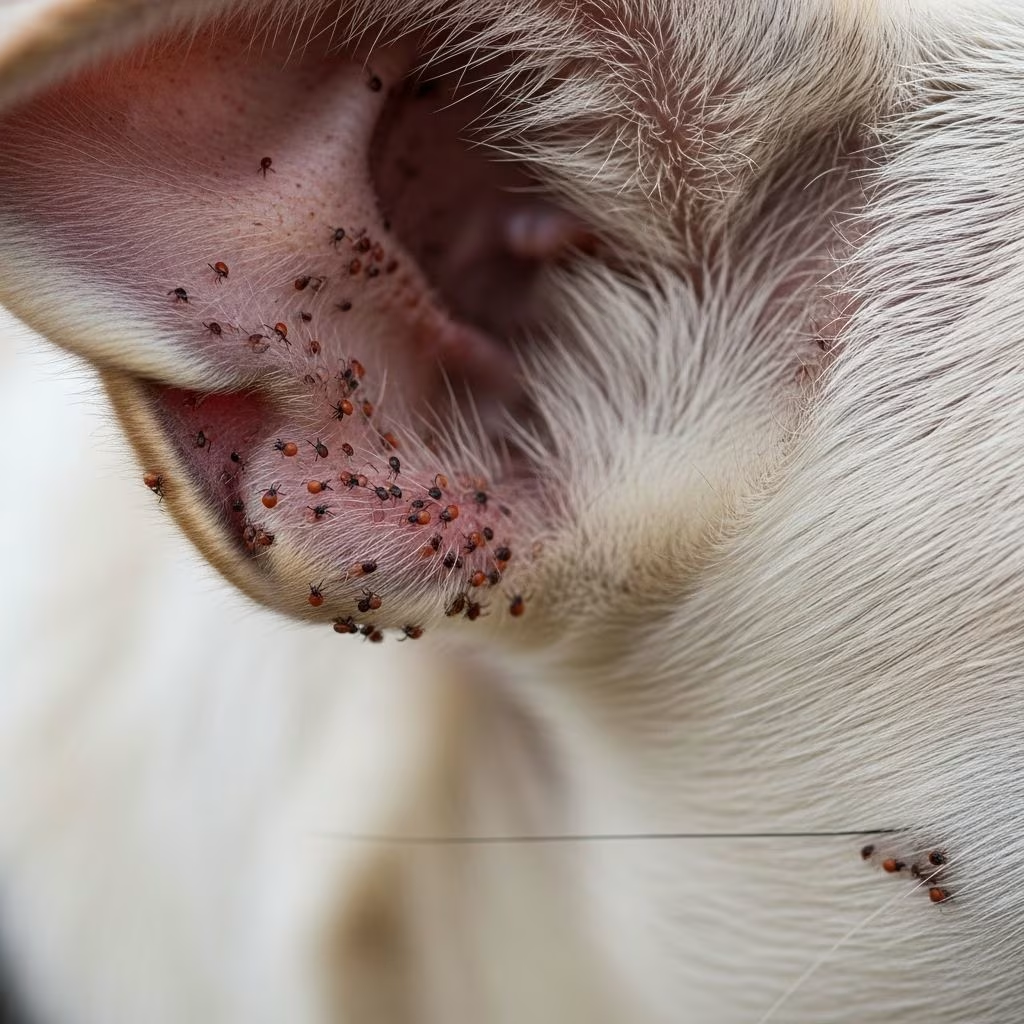
Seed ticks represent one of the earliest and most challenging stages of tick infestation in dogs. Unlike their larger adult counterparts, these tiny parasites often go unnoticed until they’ve already attached to your pet’s skin. Understanding what seed ticks are, how to identify them, and what health risks they pose is essential for every dog owner committed to maintaining their pet’s wellbeing.
What Exactly Are Seed Ticks?
Seed ticks are tick larvae, representing the initial stage of the tick life cycle after eggs hatch. These microscopic parasites get their common name from their appearance—they resemble tiny sesame seeds in size and shape. At this developmental stage, seed ticks are substantially smaller than nymphs (the intermediate stage) and far tinier than fully mature adult ticks.
The name “seed tick” reflects their minuscule dimensions, which make them exceptionally difficult to spot with the naked eye. A single seed tick measures just a fraction of a millimeter, making early detection a significant challenge for pet owners. Despite their small size, these larvae possess fully functional mouthparts designed to penetrate skin and feed on blood.
The Tick Life Cycle and Seed Tick Development
Understanding the complete tick lifecycle provides context for why seed ticks are so prevalent and challenging to manage. The lifecycle begins when adult female ticks lay thousands of microscopic eggs in protected environments. Once these eggs hatch, they release enormous numbers of larvae into the environment, and these larvae are what we call seed ticks.
During the larval stage, seed ticks must find a host animal to feed upon. This is often where dogs become infested—frequently from contaminated vegetation, outdoor environments, or contact with wildlife. After feeding sufficiently on their host, seed tick larvae detach and enter a dormant period. They then molt, developing into nymphs, which are larger but still immature ticks. Following another blood meal and subsequent molting, nymphs develop into adult ticks.
This multi-stage development process means that at any given time, your environment may contain seed ticks, nymphs, and adults simultaneously, creating persistent infestation risks for outdoor dogs.
Identifying Seed Ticks on Your Dog
The primary challenge with seed ticks involves identification. These parasites often cluster together in groups, which can sometimes make them slightly more visible. Common locations for seed tick attachment include:
- Between the toes and toe pads
- In ear canals and around ear flaps
- Underneath the tail and around the tail base
- In skin folds and body creases
- Around the groin and inner thigh areas
- Along the chest and belly
- On the neck and head region
Visual indicators of seed tick presence include small red bumps or irritated spots on the skin. Depending on how recently the ticks attached and began feeding, you might observe slight redness or swelling around bite sites. When seed ticks become partially engorged with blood, they may appear slightly darker or more visible than when they first attach.
Tactile examination can also reveal seed tick presence. Running your fingers through your dog’s coat, particularly in vulnerable areas, may help you detect tiny bumps that correspond to feeding ticks. Some owners report feeling slightly resistant bumps that don’t brush away easily, indicating tick attachment.
Early Warning Signs and Behavioral Changes
Beyond visual identification, your dog’s behavior often provides the first clues about seed tick infestation. Dogs experiencing irritation from seed tick bites frequently display excessive grooming behaviors focused on affected areas. This might include:
- Persistent scratching at specific body regions
- Frequent licking of paws, legs, or other infested areas
- Biting or nibbling at skin where ticks have attached
- Rubbing against furniture or the ground to relieve itching
- Restlessness or difficulty settling down
- Localized hair loss from repeated licking and scratching
These behavioral changes often precede obvious physical signs, making attentiveness to your dog’s habits an important early detection strategy. Additionally, some dogs develop mild inflammation or bumpy texture to affected skin areas that become apparent during grooming sessions.
Health Complications from Seed Tick Infestations
Secondary Skin Infections
One immediate health concern associated with seed ticks involves secondary bacterial infections. When dogs scratch persistently at tick bites, they create open wounds that become vulnerable to bacterial contamination. Signs of infected tick bites include:
- Increased redness, swelling, heat, or warmth around bite sites
- Pus discharge or unusual drainage from affected areas
- Noticeable pain or sensitivity when the area is touched
- Persistent scratching despite treatment attempts
- Foul odor emanating from infected sites
Dogs displaying signs of infection should receive veterinary attention promptly. Your veterinarian may prescribe topical or systemic antibiotics to prevent the infection from spreading or worsening.
Tick-Borne Disease Transmission
While seed ticks are primarily a nuisance due to their size and difficulty in detection, they can potentially transmit disease-causing pathogens. The timeframe for disease transmission varies significantly depending on the specific infection. Some tick-borne illnesses can be transmitted in as little as 2 hours of tick attachment, while others require up to 96 hours of feeding.
Key tick-borne diseases affecting dogs include:
Anaplasmosis (Tick Fever)
This disease, transmitted primarily by black-legged and brown dog ticks, affects a dog’s white blood cells. Symptoms may emerge within one to three weeks following infection and include:
- Fever and elevated body temperature
- Decreased appetite and weight loss
- Joint stiffness, swelling, or lameness
- Lethargy and reduced activity levels
- Vomiting or diarrhea in some cases
- Possible seizures in severe infections
Ehrlichiosis
Transmitted by brown dog ticks and lone star ticks, ehrlichiosis typically manifests one to three weeks after infection. Symptoms include:
- Fever and depression
- Bruising or bleeding problems due to low platelets
- Joint inflammation and pain
- Enlarged lymph nodes
- Discharge from eyes and nose
- Neurological complications in severe cases
Chronic ehrlichiosis can lead to long-term complications including kidney damage and eye inflammation if left untreated.
Lyme Disease
Black-legged ticks transmit Lyme disease, a condition affecting both dogs and humans. Clinical signs appearing after infection include:
- High fever
- Joint pain and lameness
- Lethargy and reduced engagement
- Increased thirst
- Decreased appetite
- Swollen lymph nodes
Early treatment significantly improves outcomes, but untreated cases can become life-threatening.
Tick Paralysis
This serious condition occurs when female ticks release neurotoxins through their saliva that attack the dog’s nervous system. Symptoms typically appear 3-9 days after tick attachment and include:
- Weakness beginning in hind legs, progressing forward
- Incoordination and loss of balance
- Voice changes or difficulty vocalizing
- Difficulty swallowing
- Dilated pupils
- Potential respiratory paralysis in severe cases
Tick paralysis requires immediate veterinary intervention, as progression can be rapid and potentially fatal.
Effective Removal Techniques for Seed Ticks
Removing seed ticks requires a careful, methodical approach. The goal is complete removal without leaving mouthparts embedded in the skin, which can lead to infection.
Recommended removal procedure:
- Use fine-tipped tweezers to grasp the tick as close to the skin as possible
- Apply steady, perpendicular upward pressure to extract the entire tick
- Avoid twisting, jerking, or crushing the tick during removal
- Place the removed tick in alcohol or a sealed container
- Clean the bite area with antiseptic solution
- Wash your hands thoroughly after removal
For extensive infestations involving numerous seed ticks, consult your veterinarian before attempting removal. They may recommend specialized treatments or professional removal services.
Prevention Strategies and Long-Term Management
Preventing seed tick infestations is substantially more effective than treating existing problems. Multiple prevention strategies work synergistically to protect your dog:
Pharmaceutical Preventatives
Your veterinarian can prescribe oral or topical medications specifically designed to repel or eliminate ticks before they establish feeding sites. These products vary in duration, ranging from monthly to quarterly or annual applications. Select products appropriate for your dog’s age, weight, and health status.
Environmental Management
- Maintain short grass in your yard to reduce tick habitat
- Remove leaf litter and brush where ticks overwinter
- Create barriers between wooded areas and pet zones
- Regularly inspect and treat outdoor spaces where your dog spends time
- Avoid walking your dog in overgrown or heavily wooded areas during peak tick season
Post-Activity Inspection
After outdoor activities, particularly in areas known for tick presence, conduct thorough body checks. Pay special attention to hidden areas where seed ticks congregate. Regular inspection creates opportunities for early detection before disease transmission occurs.
Protective Clothing
During peak tick season, consider using protective dog clothing or boots during outdoor excursions. While this approach has limitations, it reduces exposed skin areas where ticks might attach.
When to Seek Veterinary Care
Contact your veterinarian if you observe:
- Fever or elevated body temperature
- Decreased appetite or refusal to eat
- Swollen joints or lameness
- Signs of infection around bite areas
- Lethargy or unusual behavior changes
- Any neurological symptoms including seizures or incoordination
Early veterinary intervention significantly improves treatment outcomes for tick-borne illnesses.
Frequently Asked Questions About Seed Ticks
Can seed ticks survive indoors?
While seed ticks can survive briefly indoors, they require specific humidity and temperature conditions. Regular vacuuming and cleaning reduce indoor tick populations significantly.
How long do seed ticks remain attached to dogs?
Seed ticks typically remain attached for several days while feeding, but this varies based on environmental conditions and individual tick biology.
Are seed ticks visible to the naked eye?
Seed ticks are extremely small but sometimes visible, particularly when clustered together. Enhanced vision or magnification tools may help with detection.
Can dogs develop immunity to seed ticks?
Dogs do not develop effective immunity to tick attachment or disease transmission. Continuous prevention remains necessary throughout a dog’s life.
What is the best time of year for seed tick prevention?
Seed tick activity increases during warmer months, but year-round prevention offers optimal protection depending on your geographic location.
Conclusion
Seed ticks present a multifaceted challenge for dog owners, combining detection difficulty with potential disease transmission risks. By understanding their characteristics, implementing robust prevention strategies, and maintaining vigilant monitoring through regular inspections, you can significantly reduce your dog’s exposure to these parasites and the illnesses they carry. When infestations occur, prompt removal and veterinary consultation ensure the best possible outcomes for your pet’s health and comfort.
References
- Tick Bite Symptoms in Dogs: Know the Signs — Toe Grips. https://toegrips.com/tick-bite-symptoms-in-dogs/
- Ticks on Dogs: Everything You Need to Know — Dogs First. https://dogsfirst.ie/ticks-on-dogs/
- 6 Tick-Borne Diseases in Dogs and How To Help Your Pup — Chewy. https://www.chewy.com/education/dog/flea-and-tick/tick-borne-diseases-in-dogs
- My Dog Had a Tick Is He Going to Get Sick? — Danforth Animal Hospital. https://www.danforthanimal.com/blog/97026-my-dog-had-a-tick-is-he-going-to-get-sick
- Ticks in Dogs — VCA Animal Hospitals. https://vcahospitals.com/know-your-pet/ticks-in-dogs
- Tick-Borne Disease Prevention — Massachusetts Department of Public Health. https://www.mass.gov/info-details/tick-borne-disease-prevention



