

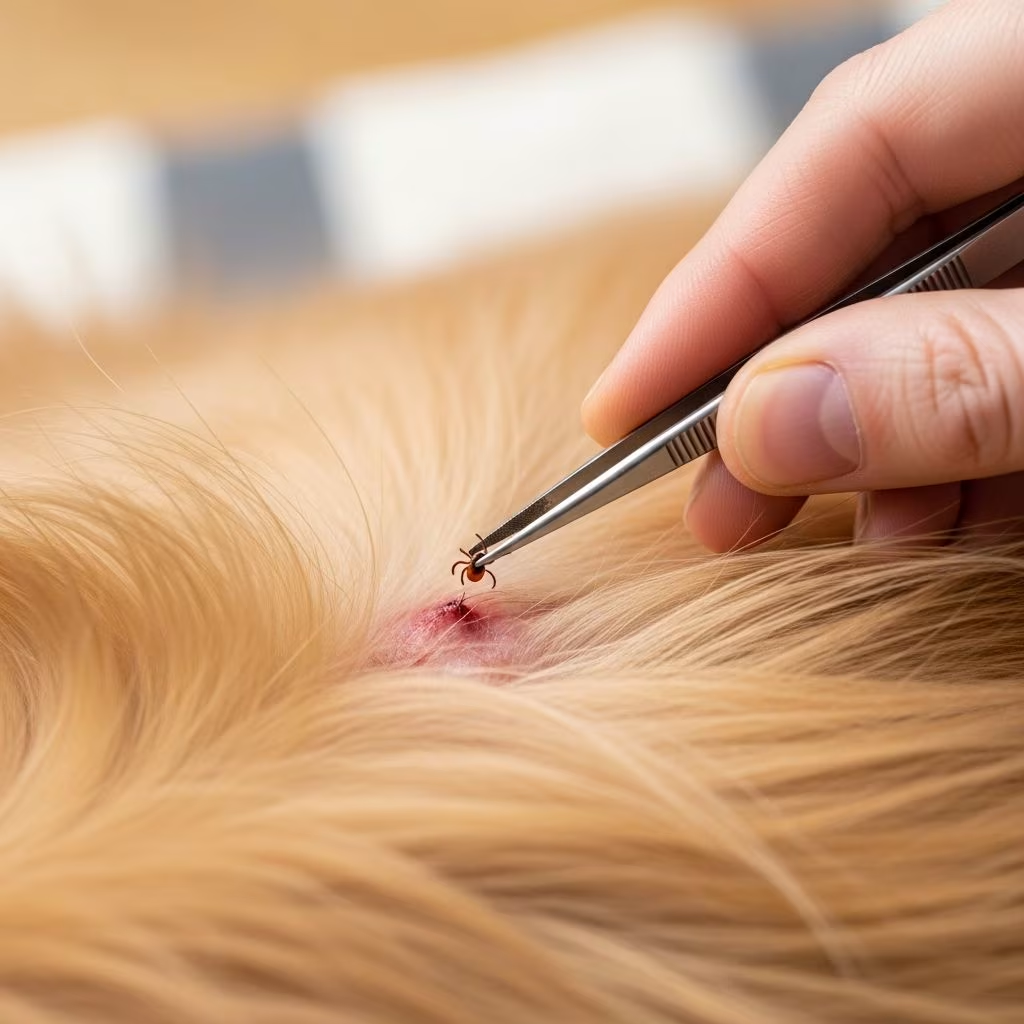
Seed ticks represent one of the most common parasitic challenges pet owners face, particularly during warmer months when outdoor activity increases. These microscopic pests attach themselves to your dog’s skin and can pose significant health risks if not properly managed. Understanding the appropriate removal techniques, prevention strategies, and when to seek veterinary assistance will help you protect your canine companion from tick-related complications.
Understanding Seed Ticks and Their Threat to Canine Health
Seed ticks are immature ticks in their larval stage, distinguishing them from nymph and adult ticks in both size and development. These tiny parasites typically measure just a few millimeters and often appear in clusters on a dog’s body. The danger posed by seed ticks extends beyond simple skin irritation—they serve as vectors for serious diseases that can compromise your dog’s long-term health and quality of life.
When ticks feed on blood, they can transmit pathogens including Lyme disease, ehrlichiosis, and other tick-borne illnesses. The speed with which you remove these parasites directly correlates with disease prevention. Prompt extraction reduces the timeframe during which tick saliva and infectious agents can enter your dog’s bloodstream, making immediate action crucial.
Essential Tools for Safe Tick Extraction
Selecting the right removal equipment significantly impacts both effectiveness and your dog’s comfort during the procedure. Several tools have proven reliability in veterinary practice and home settings:
- Fine-tipped tweezers — Standard household tweezers work effectively for grasping individual ticks without crushing them
- Tick removal devices — Specialized tools like tick twisters and tick keys provide ergonomic leverage and precise control
- Fine-tooth combs — Useful for locating and removing multiple seed ticks from dense fur areas
- Specialized tick hooks — Designed specifically for inserting under tick bodies and applying rotational force
Avoid improvised methods such as fingernails, dull tweezers, or makeshift tools that can crush the tick or leave fragments behind. The quality of your removal tool directly affects whether the entire tick comes out intact or leaves infectious material embedded in your dog’s skin.
Step-by-Step Removal Procedure for Maximum Safety
Following a methodical approach ensures you extract the tick completely while minimizing trauma to your dog’s skin and reducing contamination risk. The process requires patience and deliberate movements rather than rushed or forceful actions.
Preparation Phase
Begin by examining your dog’s coat in good lighting to locate all visible ticks. Part the fur carefully to expose the attachment site. If you have disposable gloves available, wearing them provides a protective barrier between your hands and the tick. This preliminary assessment helps you identify all parasites before beginning extraction, preventing missed ticks that could continue feeding.
Grasping and Positioning
Position your tweezers or removal tool as close to your dog’s skin as possible, targeting the tick’s head or mouthparts rather than its engorged body. This positioning is critical because squeezing the body can force infectious fluids back into your dog’s skin, increasing the infection risk. Maintain a firm but gentle grip—enough pressure to secure the tick without crushing it.
Extraction With Steady Pressure
Pull straight upward using consistent, even pressure. Resist the temptation to twist, jerk, or rotate the tick during removal, as these motions can dislodge the mouthparts and leave them embedded in the skin. If the tick does not release immediately, maintain steady upward pressure for one to two minutes. Tick mouthparts have evolved to penetrate deeply, and sometimes slow, patient traction proves more effective than quick yanking.
Post-Removal Verification
After extraction, examine the removal site to confirm the entire tick has been removed, including the head. If you observe the tick’s body came away but the head remained, use clean tweezers to remove any visible mouthparts. Inspect your dog’s skin for inflammation, excessive redness, or signs of secondary infection developing over the following days.
Aftercare and Contamination Prevention
The removal process is incomplete without proper disposal and site treatment. Never dispose of ticks down the drain, as they can survive plumbing systems and potentially re-infest your home. Instead, submerge removed ticks in rubbing alcohol, which kills them quickly and safely. Alternatively, wrap the tick in tissue and flush it down the toilet immediately, or place it in a sealed container for disposal with household waste.
Clean the bite area with antiseptic solution or warm soapy water to prevent secondary bacterial infection. Wash your hands thoroughly after handling ticks, even if you wore gloves. This decontamination step protects your family from potential pathogen transmission through hand contact with eyes, mouth, or mucous membranes.
Professional Treatment Options Available Through Veterinarians
While home removal addresses existing ticks, professional veterinary treatments provide comprehensive parasite control and prevention. Veterinarians offer several evidence-based options tailored to your dog’s age, weight, and health status:
Oral Tick Medications
Prescription oral medications provide systemic tick control by circulating through your dog’s bloodstream. These medications kill ticks on contact when they attempt to feed, preventing disease transmission before parasites can inject infectious agents. Monthly or quarterly dosing schedules make this option convenient for busy pet owners.
Topical Spot-On Treatments
Applied directly to your dog’s skin between the shoulder blades, spot-on treatments provide localized and systemic protection. These products distribute across the skin surface, creating a protective barrier that repels and kills ticks. They typically provide protection for 30 days and work on both seed ticks and adult parasites.
Medicated Shampoos and Dips
Therapeutic shampoos containing tick-killing ingredients provide immediate relief during active infestations. Dips represent a more concentrated chemical application that remains on the skin without rinsing, offering extended protection. These treatments work well during peak tick season but require more frequent applications than oral or spot-on medications.
Tick Collars and Preventative Devices
Modern tick collars release active ingredients that create a protective zone around your dog’s head and neck. These devices offer convenience for dogs that resist monthly treatments or for owners preferring passive prevention. Performance varies between brands, so veterinary recommendation ensures you select a product matching your dog’s needs.
Preventing Future Tick Infestations Through Environmental Management
Reducing your dog’s exposure to tick habitats decreases infestation likelihood significantly. Environmental controls complement chemical treatments to create multiple layers of protection:
- Maintain regular lawn care by mowing frequently and removing leaf debris where ticks shelter
- Create barriers between wooded areas and recreational spaces using wood chips or gravel at least three feet wide
- Store firewood neatly in dry locations away from the house, reducing rodent populations that harbor ticks
- Remove yard debris including old furniture, mattresses, or discarded items that provide tick habitat
- Position playground equipment and patios away from wooded edges in sunny locations where ticks cannot survive prolonged exposure
- Avoid walking your dog through tall grass and dense brush during peak tick seasons
Combining environmental modification with regular tick checks during and after outdoor activities creates a comprehensive prevention strategy.
Recognizing Complications and Seeking Veterinary Care
Most tick removals proceed without complications, but certain situations warrant professional veterinary evaluation. Contact your veterinarian if you observe the following:
- Significant inflammation or swelling at the removal site that persists beyond a few hours
- Signs of infection including pus, discharge, or increasing redness around the bite
- Your dog displays behavioral changes such as lethargy, loss of appetite, or excessive scratching
- Fever or other systemic symptoms developing in the days following tick removal
- Difficulty removing the tick after several minutes of steady pressure
- Inability to completely remove tick mouthparts despite multiple removal attempts
These symptoms may indicate infection or disease transmission requiring professional diagnosis and treatment. Early intervention prevents complications from developing into serious conditions affecting your dog’s health.
Frequently Asked Questions About Seed Tick Management
What happens if tick mouthparts break off and remain in the skin?
Small tick fragments sometimes remain after extraction despite careful technique. In most cases, the body’s natural immune response encapsulates and eventually expels these fragments without intervention. However, monitor the site for signs of inflammation or infection. If your dog develops excessive swelling, discharge, or secondary infection, your veterinarian can assist with removal or prescribe antibiotics to prevent complications.
How frequently should I check my dog for ticks?
During tick season (typically spring through fall in most regions), conduct thorough checks at least twice weekly, particularly after outdoor activities in wooded or brushy areas. Daily checks during peak infestation periods provide the earliest detection and removal opportunity. Perform checks even on days your dog remained indoors, as ticks can be transported indoors on clothing or other animals.
Can ticks transmit diseases immediately after attachment?
Disease transmission typically requires the tick to feed for several hours to days, depending on the specific pathogen. This time-dependent transmission creates a critical window for prevention—removing ticks promptly significantly reduces disease risk. However, some pathogens can transmit more quickly than others, making immediate removal the safest approach regardless of attachment duration.
Are home remedies like petroleum jelly or nail polish effective tick removal methods?
Traditional home remedies should be avoided despite their continued circulation through internet forums and social media. These methods do not effectively kill ticks and may cause the parasites to burrow deeper or expel infectious fluids into your dog’s skin. Stick to proven removal techniques using appropriate tools and veterinarian-recommended treatments.
When should I use medicated shampoos versus prescription preventatives?
Medicated shampoos work well for acute infestations requiring immediate relief and for dogs sensitive to other medications. Prescription preventatives provide superior long-term protection and convenience for ongoing tick control. Discuss your dog’s specific situation with your veterinarian to determine whether immediate treatment, preventative medication, or combination approaches best suit your needs.
References
- How to Remove a Tick from a Dog — Blue Cross UK. 2024. https://www.bluecross.org.uk/advice/dog/health-and-injuries/ticks-on-dogs
- Ticks in Dogs — VCA Animal Hospitals. 2024. https://vcahospitals.com/know-your-pet/ticks-in-dogs
- Remove Seed Ticks from Your Dog’s Fur — Dial A Vet. 2024. https://www.dialavet.com/vet-answers/remove-seed-ticks-from-dog-41552
- How to Get Rid of Seed Ticks on Dogs — Orkin Pest Control. 2024. https://www.orkin.com/pests/ticks/seed-ticks/seed-ticks-on-dogs
- What Are Some Tricks to Get Rid of Ticks? — Tuscawilla Animal Hospital. 2024. https://tuscawillavet.com/what-are-some-tricks-to-get-rid-of-ticks/
- Removing Ticks: The Dos and Dont’s — Children’s Hospital of Philadelphia (CHOP). 2024. https://www.chop.edu/news/health-tip/removing-ticks-dos-and-don-ts



