

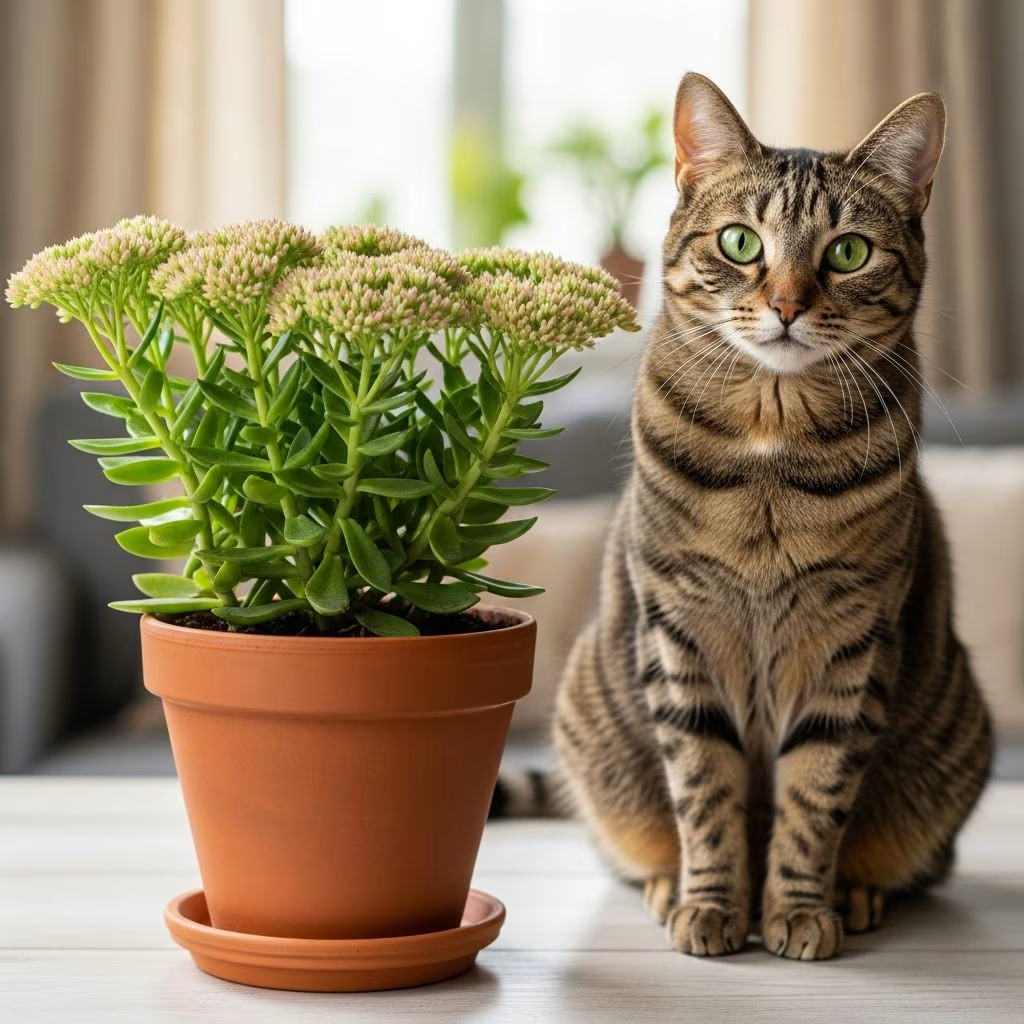
Sedum, commonly known as stonecrop, belongs to a large group of resilient succulents that thrive with minimal effort, making them favorites for both indoor displays and outdoor landscapes. Cat owners often worry about introducing such plants into their homes due to the prevalence of toxic succulents. Reassuringly, sedum stands out as a non-toxic option for felines, allowing pet parents to enjoy these low-maintenance beauties without undue concern.
Understanding Sedum: Characteristics and Appeal for Cat Homes
The Sedum genus encompasses over 600 species, all characterized by their thick, fleshy leaves designed to store water efficiently. These plants flourish in rocky soils, dry conditions, and even poor lighting, which explains their popularity as ground covers, hanging baskets, and tabletop accents. Varieties like Sedum morganianum (Burro’s Tail) cascade elegantly, while others such as Sedum rubrotinctum (Jelly Beans) add vibrant color pops with their reddish hues.
What draws cat owners to sedum? Its hardy nature means less fuss, and the dangling or clustered leaves mimic toys that cats love to bat at. Despite this playfulness, sedum lacks harmful compounds that plague other succulents, positioning it as a prime choice for harmonious pet-plant coexistence. Even if a cat nibbles occasionally, the risk remains minimal compared to more dangerous varieties.
Why Sedum Ranks as Cat-Safe Among Succulents
Unlike many succulents harboring irritants or glycosides, sedum species do not produce toxins that affect feline physiology adversely. Veterinary resources confirm that ingestion typically results in no severe reactions, though excessive consumption might lead to mild digestive discomfort purely from bulk.
- Non-irritating sap: Sedum’s milky fluid lacks the caustic properties found in euphorbias or aloes.
- No cardiac effects: Absent are bufadienolides present in kalanchoe, which disrupt heart rhythms.
- Low allergen potential: Rare sensitivities occur, but population-wide data shows sedum as reliably benign.
This safety profile stems from its classification within the Crassulaceae family, where non-toxicity predominates for pet exposure. Gardeners and indoor plant enthusiasts can thus propagate sedum freely, clipping stems for new growth without fearing pet interference.
Toxic Succulents to Steer Clear Of: A Cat Owner’s Red Flags
While sedum shines safely, the succulent world brims with hazards. Awareness prevents accidental introductions that could spell trouble for curious cats. Here’s a breakdown of prevalent dangers:
| Plant Name | Scientific Name | Toxicity Symptoms in Cats | Severity Level |
|---|---|---|---|
| Jade Plant | Crassula ovata | Vomiting, lethargy, incoordination | Mild to Moderate |
| Aloe Vera | Aloe barbadensis | Diarrhea, vomiting, urine discoloration | Mild to Moderate |
| Crown of Thorns | Euphorbia milii | Gastrointestinal upset, oral irritation | Mild |
| Pencil Cactus | Euphorbia tirucalli | Skin/eye irritation, vomiting from sap | Mild |
| Kalanchoe | Kalanchoe spp. | Heart rhythm issues, diarrhea, vomiting | Moderate to Severe |
Jade plants top the notoriety list due to their ubiquity and deceptive hardiness; fallen leaves tempt cats like discarded playthings. Aloe’s gel tempts with its moisture, but the latex rind packs anthraquinones causing purgative effects. Euphorbia species, including thorny crown of thorns and pencil cactus, exude irritating latex sap hazardous to mouths and eyes. Kalanchoe poses the gravest threat among common types, with cardiac bufadienolides demanding prompt intervention.
Recognizing Trouble: Symptoms After Plant Encounters
Even safe sedum might provoke transient issues if overeaten, mimicking toxicity signals. Vigilant monitoring distinguishes normal curiosity from concern:
- Immediate signs: Excessive drooling, pawing at mouth from mild irritation.
- Digestive cues: Vomiting once or twice, loose stools from fiber overload.
- Behavioral shifts: Lethargy, appetite loss persisting beyond 24 hours.
- Severe indicators: Tremors, irregular heartbeat—hallmarks of true poisons like kalanchoe.
Should symptoms arise post-nibble, withhold food briefly, offer water, and observe. Persistent distress warrants veterinary consultation; provide plant identification for targeted advice. Activated charcoal or emetics may neutralize genuine toxins, underscoring rapid action’s importance.
Safe Succulent Alternatives for Feline-Friendly Spaces
Beyond sedum, several succulents earn ASPCA nods for safety, expanding greenery options without compromise:
- Echeveria: Rosette formations in pastel shades; compact and desk-perfect.
- Haworthia: Spiky yet soft, zebra-striped varieties thrive in low light.
- Sempervivum (Hens and Chicks): Clumping rosettes ideal for rock gardens or pots.
- Sedum morganianum (Burro’s Tail): Trailing stems sway enticingly from shelves.
These selections mirror sedum’s drought tolerance, ensuring thriving displays. Mix them in terrariums or macramé hangers to elevate accessibility barriers naturally.
Strategic Placement: Preventing Unwanted Plant Interactions
Safety transcends selection; placement fortifies defenses. Cats scale heights and unearth floor debris, so proactive measures prevail:
- High shelves and ledges: Exploit vertical space beyond leap range.
- Hanging planters: Suspend from ceilings, ensuring chains resist clawing.
- Enclosed rooms: Dedicate a cat-free zone for vulnerable specimens.
- Daily sweeps: Vacuum fallen bits, denying toy-like temptations.
Deterrents like citrus peels or aluminum foil add psychological barriers. Training via redirection to approved toys curbs habitual chewing, fostering mutual respect between flora and fauna.
Indoor vs. Outdoor Considerations for Succulent Gardening
Outdoor sedum beds delight with sprawling beauty, but tracked clippings pose indoor risks. Contain garden varieties in raised planters, minimizing debris migration. Indoor setups demand humidity control—succulents abhor soggy roots—to prevent leggy growth attracting playful paws.
Seasonal shifts matter: Winter dormancy drops leaves, heightening floor hazards. Propagate in controlled greenhouses if feline supervision lapses. Ultimately, balance aesthetics with accessibility audits for seamless integration.
Cultivating Sedum Successfully Alongside Pets
Sedum’s simplicity shines in pet homes: Water sparingly, allowing soil dryness between sessions. Well-draining mixes avert rot, while bright indirect light promotes compact form. Fertilize monthly in growth phases with diluted cactus formulas.
Pruning maintains shape, discarding trimmings securely. Pests like mealybugs threaten less with vigilant checks, preserving plant vigor amid cat proximity. Propagation via leaf cuttings offers endless safe greenery expansion.
Frequently Asked Questions About Succulents and Cats
Is all sedum safe for cats?
Yes, the vast majority of sedum varieties, including popular ones like Jelly Beans and Burro’s Tail, pose no toxicity risk to cats.
What if my cat vomits after eating sedum?
Mild upset from overindulgence is possible; monitor and consult a vet if symptoms linger beyond a day.
Are there any succulents completely harmless if eaten in large amounts?
No plant guarantees zero reaction in excess, but sedum and kin like echeveria cause only negligible GI effects.
How do I identify toxic succulents quickly?
Cross-reference with ASPCA lists; avoid jade, aloe, euphorbia, and kalanchoe families.
Can sedum cause allergies in cats?
Rarely; individual sensitivities mimic mild toxicity—vet evaluation clarifies.
Building a Pet-Safe Greenery Oasis
Embracing sedum unlocks verdant joy sans peril, but knowledge empowers broader safety. Prioritize verified non-toxics, enforce barriers, and respond swiftly to anomalies. This holistic approach nurtures thriving cats and lush plants in unison, transforming homes into verdant sanctuaries.
References
- Is Sedum Toxic to Cats? Vet-Verified Facts & Safety Guide — Hepper. 2023. https://articles.hepper.com/is-sedum-toxic-to-cats/
- Is Sedum Poisonous to Cats? Common Houseplants — Catster. 2023. https://www.catster.com/cat-health-care/is-sedum-poisonous-to-cats/
- Are Succulents Poisonous to Cats? — Gardenia.net. 2024. https://www.gardenia.net/guide/are-succulents-poisonous-to-cats
- Are Succulents Toxic to Cats and Dogs? — Odie. 2024. https://getodie.com/blog/are-succulents-toxic-to-cats-and-dogs/
- Toxic and Non-Toxic Plant List — Cats — ASPCA. 2025-01-15. https://www.aspca.org/pet-care/animal-poison-control/cats-plant-list



