

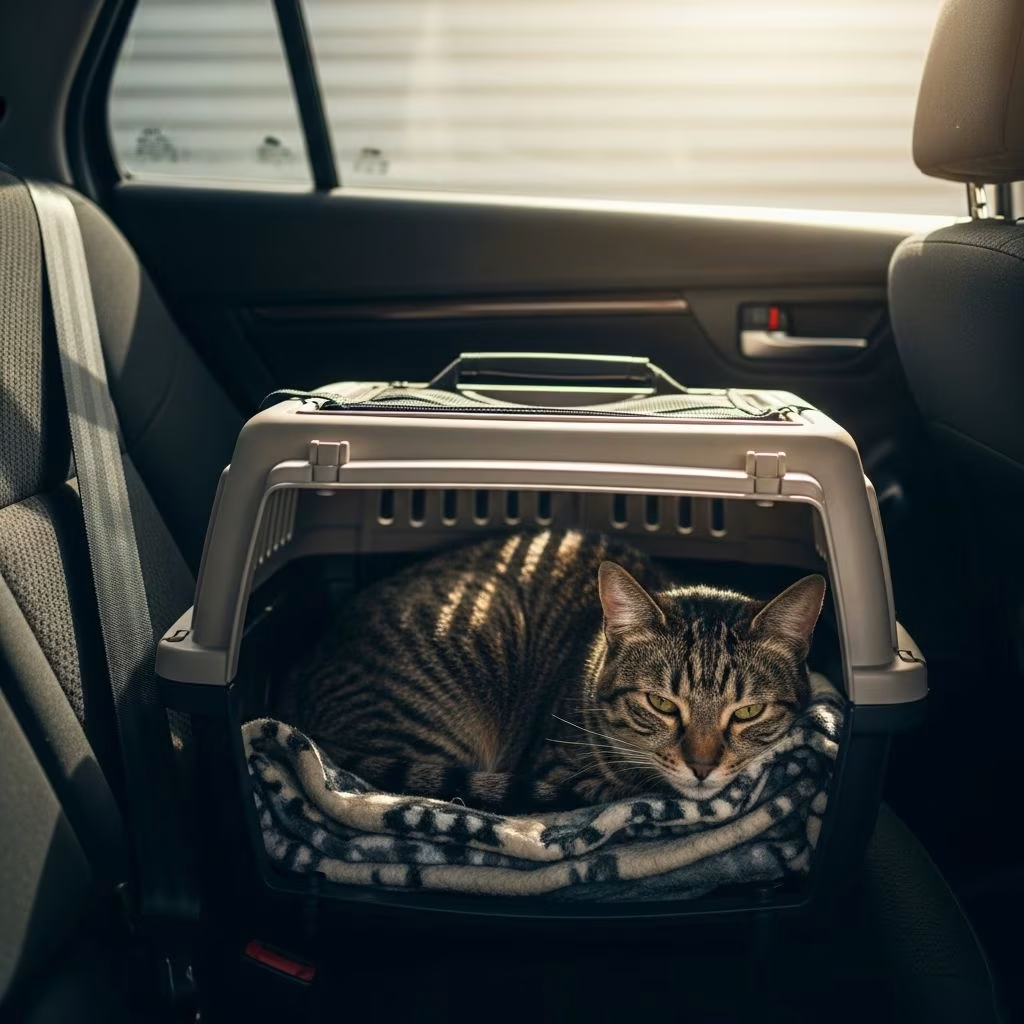
Most cats dislike car travel due to motion, unfamiliar sounds, and confinement, leading to high stress levels that can endanger both pet and owner. Proper sedation or calming techniques make trips safer and more comfortable. Veterinarians often recommend medications like gabapentin for severe cases, alongside non-drug options. This guide covers three effective methods, preparation steps, and travel tips to help your cat stay relaxed.
What Are Cat Sedatives?
Cat sedatives are medications that calm the central nervous system, reducing anxiety, tension, and hyperactivity during travel. They promote relaxation, submissiveness, and sometimes sleepiness without fully knocking the cat out. These are typically prescription-only to avoid risks like overdose or adverse reactions.
Sedatives work by targeting brain chemicals: benzodiazepines boost gamma-aminobutyric acid (GABA) for quick calming effects, while gabapentin modulates nerve signals for dose-dependent sedation. Always consult a vet, as cats with liver or kidney issues may not tolerate them well.
3 Effective Sedation Methods for Cat Car Travel
Here are the primary methods vets use, prioritized by commonality and efficacy for travel anxiety.
1. Prescription Medications
Veterinarians prescribe these based on your cat’s health history, weight, and anxiety level. Administer 1-2 hours before travel for peak effect.
- Benzodiazepines (e.g., Alprazolam): Fast-acting anxiolytics that induce relaxation and sleepiness by enhancing GABA. Ideal for short trips but avoid in cats with organ issues. Side effects may include vomiting, nausea, or paradoxical aggression. Prescription required.
- Gabapentin: A go-to for mild to moderate anxiety, this anticonvulsant provides dose-dependent sedation lasting 6-8 hours. Give orally as a tablet or liquid 2 hours prior. Well-tolerated but monitor for dizziness or over-sedation. Test dose a week ahead.
- Clonidine: Not a true sedative but reduces stress by lowering norepinephrine. Useful for mild cases without heavy drowsiness. Administer per vet instructions.
- Other Options (Trazodone, Acepromazine): Trazodone suits high-stress cats; acepromazine (given 30-60 minutes before) offers 6-8 hour effects but requires caution in hot weather.
2. Non-Drug Calming Alternatives
For cats with mild anxiety or as adjuncts to meds, these vet-recommended options avoid pharmaceuticals.
- Synthetic Pheromones: Products like Feliway or Comfort Zone sprays, collars, or wipes mimic calming facial pheromones. Spray carrier interior days before travel. Introduce early for best results.
- Body Wraps or Towel Wraps: Gentle pressure on the torso activates the parasympathetic nervous system, mimicking a hug to curb fight-or-flight responses. Brands like ThunderShirt work well.
- Supplements: Anxitane (L-Theanine from green tea) promotes relaxation without drowsiness. Herbal aids like chamomile or valerian offer mild effects; CBD is emerging but use vet-guided dosing.
3. Behavioral and Environmental Prep
Combine with meds for optimal results. Desensitization reduces baseline stress.
- Carrier Familiarization: Leave open in home for weeks with treats/toys inside. Practice short car rides.
- Covering the Carrier: Use breathable blankets for a dark, quiet ‘hide’ space, lowering anxiety.
Should You Sedate Your Cat for Travel?
Not every cat needs sedation—many adapt with prep alone. Consider it if your cat shows extreme signs: vocalizing, panting, drooling, aggression, or escape attempts. Sedation prevents injury from thrashing but isn’t ideal for all (e.g., avoid heavy sedation for cargo flights due to temperature regulation risks). Weigh pros (calm travel) against cons (side effects, monitoring needs). Always trial meds first.
| Method | Duration | Best For | Side Effects/Risks |
|---|---|---|---|
| Gabapentin | 6-8 hours | Mild-moderate anxiety | Dizziness, ataxia |
| Benzodiazepines | 4-6 hours | Short trips | Nausea, aggression |
| Pheromones | Ongoing | Mild stress | None |
| Body Wraps | As worn | Any anxiety | None |
Vet Tips: Administering Sedatives Safely
Timing is critical—share your itinerary for precise dosing. Give with a small meal to prevent nausea, unless vet advises otherwise. Test run: Administer a trial dose 7-10 days prior, observing for 12-24 hours. Note reactions like lethargy or hyperactivity and report to vet. Never use human meds or over-the-counter without guidance; Benadryl is sometimes suggested but less effective.
General Travel Tips for Cats
Maximize comfort beyond sedation.
- Secure Carrier: Use seatbelt clip in back seat. Avoid front airbags.
- Climate Control: Keep 68-75°F; ventilate well.
- Breaks: Stop every 2-3 hours for water/checks. No food pre-travel to avoid car sickness.
- Sounds: Play white noise or calming music; minimize sharp turns/brakes.
- Airline Prep (if applicable): Choose approved soft carriers; pheromone-spray interior; limit food.
How to Prepare Your Cat for Car Travel
Start 2-4 weeks early: Acclimate to carrier with positive associations. Do 5-10 minute ‘dry runs’ building to full trips. Cover carrier sides for security. Place familiar bedding/toys inside.
Frequently Asked Questions (FAQs)
What is the best sedative for cats traveling by car?
Gabapentin is widely recommended for its reliability and tolerability; dose per vet 2 hours before.
Can I sedate my cat for a long car ride?
Yes, with vet-approved meds like trazodone for extended trips, plus breaks for hydration.
Are there natural ways to calm a cat for travel without drugs?
Synthetic pheromones (Feliway), L-Theanine supplements, and body wraps effectively reduce stress.
Is it safe to sedate cats for air travel?
Mild anti-anxiety meds yes, but avoid heavy sedation in cargo due to thermoregulation issues.
How long before travel should I give sedatives?
Typically 1-2 hours; test first and follow vet timing.
Final Thoughts
Car travel with cats demands planning: desensitize to carriers, use calming aids, and consult vets for sedation when needed. Prioritize non-drug methods first, reserving meds for severe anxiety. Safe travels mean a relaxed cat and worry-free owner.
References
- How to Sedate a Cat for Car Travel: 3 Effective Methods — Catster. 2023. https://www.catster.com/cat-health-care/sedate-cat-for-car-travel/
- Should You Sedate Your Cat for Travel? — Lane Veterinary. 2024-05-15. https://lanevet.com/blog/cat-sedation-for-travel/
- Cat Sedatives: When and How to Use Them — Bond Vet. 2023. https://bondvet.com/blog/cat-sedative
- Travelling with a Cat – Reducing Feline Stress — Vet4Life. 2022. https://www.vet4life.co.uk/news/188-travelling-with-a-cat-reducing-feline-stress
- How To Sedate a Cat for Travel Safely — Rover.com. 2024. https://www.rover.com/blog/cat-sedative-travel/
- Using Gabapentin or Pregabalin to Sedate Your Cat for Travel — Cat Specialists. 2023. https://www.catspecialists.com.au/using-gabapentin-or-pregabalin-to-sedate-your-cat-for-travel/



