

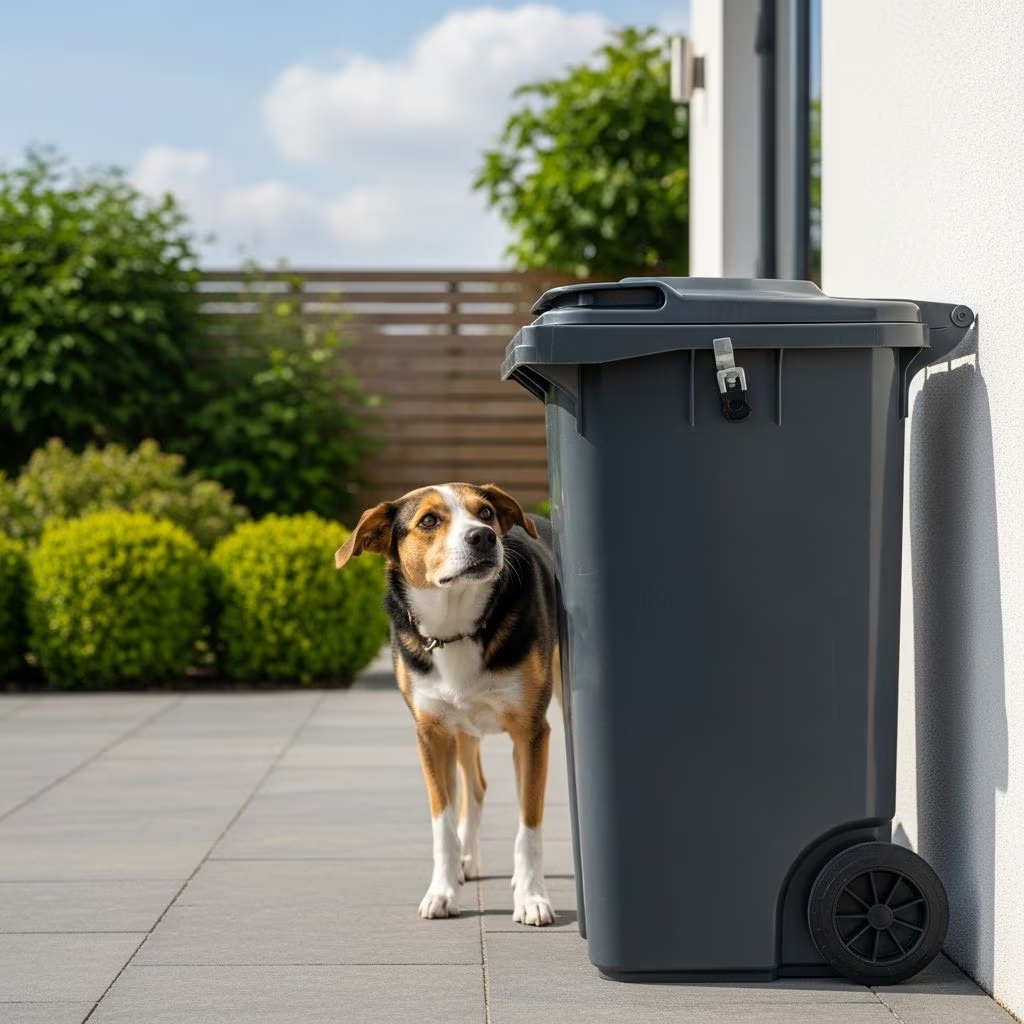
Pet owners frequently encounter a frustrating challenge: their canine companions seem inexplicably drawn to household waste. Dogs possess remarkable senses of smell that make garbage particularly appealing, and their natural curiosity combined with their problem-solving abilities often result in scattered trash throughout the home. Beyond the mess and inconvenience, unsecured trash poses genuine health risks to dogs, as refuse containers commonly harbor toxic substances, sharp objects, spoiled food, and harmful chemicals. Addressing this issue requires a multifaceted approach that combines strategic placement, physical barriers, specialized products, and sometimes behavioral modifications. This comprehensive guide explores numerous practical solutions to prevent your dog from accessing trash while maintaining a clean, safe living environment.
Strategic Placement and Storage Solutions
The most straightforward approach to preventing trash-related incidents involves keeping garbage completely out of your dog’s reach. Rather than relying solely on deterrents or locks, consider relocating your trash can to a space your dog cannot access under normal circumstances. Pantries, utility closets, or dedicated storage areas provide excellent solutions for homes with available space. This method eliminates the temptation entirely and requires minimal ongoing effort once the system is established.
For those with limited space, a compact trash container offers another advantage. Smaller bins naturally hold less garbage and require more frequent emptying, reducing the time waste sits accessible to curious pets. Additionally, reduced container size can limit the volume of harmful materials your dog might consume if they do gain access.
Specialized furniture solutions represent a more sophisticated storage option. Tilt-out trash cabinets function as attractive kitchen additions while concealing garbage behind a drawer-style front. These cabinets combine aesthetic appeal with practical pet protection, occupying minimal floor space while providing convenient human access. Some models include additional storage compartments for cleaning supplies or other household items, maximizing functional use of kitchen real estate.
Physical Barrier and Locking Mechanisms
When storage relocation isn’t feasible, implementing physical barriers around existing trash containers provides effective protection. Bungee cords represent one of the most economical solutions, securing the lid firmly to the can’s body and preventing even determined dogs from lifting it. While requiring manual release before disposing of trash, bungee cords serve as temporary measures or permanent solutions for budget-conscious pet owners.
Child-proof locks designed for cabinets offer another practical option. These devices can be affixed to trash cans directly or installed on cabinet doors housing the trash container. Their mechanical design resists the pressure and manipulation that dogs typically employ when attempting to open containers. Many are easy to install without specialized tools or professional assistance.
The weight and construction of the trash can itself matter significantly. Lightweight plastic containers are easily knocked over or manipulated by determined dogs, while metal or heavier plastic models with secure-fitting lids provide superior protection. Non-traditional lid designs, such as butterfly-style lids that split horizontally like French doors, create obstacles that confuse dogs and prevent easy access to the container’s opening.
Commercial Dog-Proof Trash Can Options
Numerous manufacturers now produce trash cans specifically engineered with pet protection in mind. These products employ various locking mechanisms and design features that make garbage inaccessible to dogs while remaining functional for household members.
Foot-Pedal Activated Designs
Traditional step-activated trash cans require users to depress a foot pedal to open the lid. Dogs typically lack the coordination or understanding to engage this mechanism intentionally. Premium step cans incorporate side-locking mechanisms that further secure the lid, preventing dogs from prying it open with their noses or paws even if they somehow learn to use the pedal.
Sensor-Activated and Touchless Systems
Modern electronic trash cans utilize motion sensors and infrared technology to detect human hand movement, automatically opening the lid for waste disposal. These systems employ specialized pet guard lock features that prevent dogs from triggering the sensor mechanism. The hands-free operation adds hygiene benefits while the pet-specific locking features ensure your dog cannot accidentally or deliberately activate the lid.
Button and Tab-Based Locking
Some trash cans feature rotating buttons or tabs positioned on the lid or cabinet exterior. Users rotate these mechanisms to lock or unlock the container. Dogs cannot manipulate these controls through pressure alone, and some designs position the button at the back of the container to make discovery even more difficult for clever pets.
Dual-Compartment Solutions
Households managing both trash and recycling benefit from two-compartment models designed with pet safety in mind. These slender, rectangular containers maintain the space-saving benefits of vertical design while securing both compartments against unauthorized animal access. Color options allow coordination with various kitchen décor styles.
Behavioral and Environmental Deterrents
Beyond physical barriers, certain environmental approaches discourage dogs from investigating trash containers. These methods work alongside mechanical solutions to create multiple layers of protection.
Apple cider vinegar represents a natural deterrent with strong olfactory properties. Soaking a cloth in vinegar and placing it inside or near the trash can creates an unpleasant smell that dogs find aversive. The downside is that vinegar’s scent fades relatively quickly, requiring regular replacement. This approach works best as a supplementary measure rather than a standalone solution.
Motion-activated spray systems use infrared detection to identify movement near the trash container. When dogs approach, the device emits an odorless mist that startles them without causing harm. These systems prove particularly useful for overnight protection or when owners are away from home. However, they may activate when household members pass nearby, creating minor inconvenience.
Comparative Analysis of Storage Solutions
| Solution Type | Ease of Installation | Cost Range | Effectiveness | Convenience for Humans |
|---|---|---|---|---|
| Pantry/Closet Storage | Very Easy | Free-Low | Very High | High |
| Bungee Cord | Very Easy | Low | High | Medium |
| Child-Proof Lock | Easy | Low-Medium | High | High |
| Step-Activated Trash Can | None (Pre-built) | Medium-High | Very High | Very High |
| Sensor Trash Can | None (Pre-built) | High | Very High | Very High |
| Tilt-Out Cabinet | Moderate | Medium-High | Very High | High |
| Motion-Activated Spray | Easy | Medium | Medium-High | Medium |
Selecting the Right Solution for Your Home
The optimal trash protection strategy depends on several household-specific factors. Consider your kitchen layout and available storage space. Homes with pantries or utility closets benefit most from simple containment strategies. Apartments or homes with limited storage may require commercial trash cans with built-in security features.
Evaluate your dog’s behavior patterns and problem-solving abilities. Dogs vary significantly in their determination and intelligence regarding trash access. Some stop immediately upon encountering a bungee cord, while others require more sophisticated barriers. Understanding your individual dog’s capabilities helps you select proportionate solutions.
Budget considerations influence your selection as well. Immediate solutions using bungee cords or child-proof locks cost minimal amounts, while quality step-activated or sensor trash cans represent larger investments. Many pet owners find that protecting their dog’s health and replacing damaged household items justifies the expense of premium trash containment.
Household aesthetics matter for some owners. Tilt-out cabinets and specialized trash cans designed for pet safety maintain attractive kitchen appearances, while storage in closets or pantries keeps garbage completely hidden from view.
Frequently Asked Questions
Why is it important to prevent dogs from accessing trash?
Trash containers harbor numerous hazards for canine health, including spoiled food that causes gastrointestinal upset, toxic substances like certain foods or chemicals, sharp objects that cause internal injuries, and small items that create intestinal blockages. Preventing access protects your dog from serious medical emergencies.
Can I train my dog not to get into the trash?
While behavioral training can help reduce trash-seeking behavior, most dogs possess instinctive drives toward garbage. Physical barriers provide more reliable protection than behavioral training alone. Combining environmental restrictions with training offers the best outcomes.
What makes some trash cans better for dogs than others?
Effective dog-proof trash cans feature secure locking mechanisms, heavy lids that resist manipulation, materials dogs cannot easily damage, and designs that prevent the lid from opening through normal pressure or prying. The most effective models require intentional human actions to open, whether pressing buttons, stepping on pedals, or rotating locks.
Are expensive trash cans worth the investment?
Premium sensor or step-activated trash cans offer convenience for all household members while ensuring reliable pet protection. When considering the costs of veterinary emergencies, medication, or behavioral damage from consuming inappropriate materials, specialized trash cans often represent worthwhile investments in both pet health and home protection.
Can I use multiple dog-proofing methods together?
Absolutely. Combining storage relocation with child-proof locks, bungee cords, or specialized trash cans creates redundant protection. This layered approach ensures that if one method fails, others still protect your dog and home.
Implementation Recommendations
Begin by assessing your current situation. Identify where your dog most frequently attempts trash access and evaluate your available space and budget. If relocation is possible, moving your trash to a pantry or closet provides immediate, cost-free protection.
For in-kitchen trash cans, start with affordable temporary solutions like bungee cords while researching long-term options. This allows time to determine which commercial products best suit your specific needs without immediately committing significant resources.
Implement your chosen solution completely before considering the problem solved. Partial implementation often leaves enough access for determined dogs to still reach garbage. Ensure all potential entry points are secured and that your dog cannot move, tip, or manipulate the container in any way.
Monitor your dog’s behavior after implementing new security measures. Some dogs test new barriers repeatedly before accepting them, while others immediately respect the obstacle. Providing positive reinforcement when your dog ignores the secured trash builds good habits.
Conclusion
Preventing dogs from accessing household trash requires awareness of available solutions and realistic assessment of your home’s specific circumstances. From simple storage relocation to sophisticated electronic trash cans, numerous effective options exist for every budget and situation. The most successful approach combines physical barriers with behavioral management and possibly environmental deterrents. By implementing comprehensive trash protection, you simultaneously maintain a cleaner home and protect your canine companion from potentially serious health hazards. Pet ownership includes responsibility for environmental management, and securing household waste represents one of the most straightforward yet essential safety measures available to dog owners.
References
- Dog-Proof Trash Cans: An Overview of Market-Leading Pet-Proof Mechanisms — MrBin Home. 2025. https://mrbinhome.com/blogs/inspired/dog-proof-trash-cans-an-overview-of-market-leading-pet-proof-mechanisms
- 10 Great Tips on How to Dog-Proof a Trash Can — Dogster. 2024. https://www.dogster.com/dog-health-care/how-to-dog-proof-trash-can
- 50 Liter / 13 Gallon Stainless Steel Extra-Wide Dog-Proof Sensor Kitchen Trash Can — iTouchless. 2025. https://www.itouchless.com/products/13-gallon-stainless-steel-extra-wide-pet-safe-sensor-trash-can-with-petguard-lid-lock
- Stainless Steel Dog Proof Trash Cans — Trashcans Unlimited. 2025. https://trashcansunlimited.com/dog-proof-trash-cans/



