

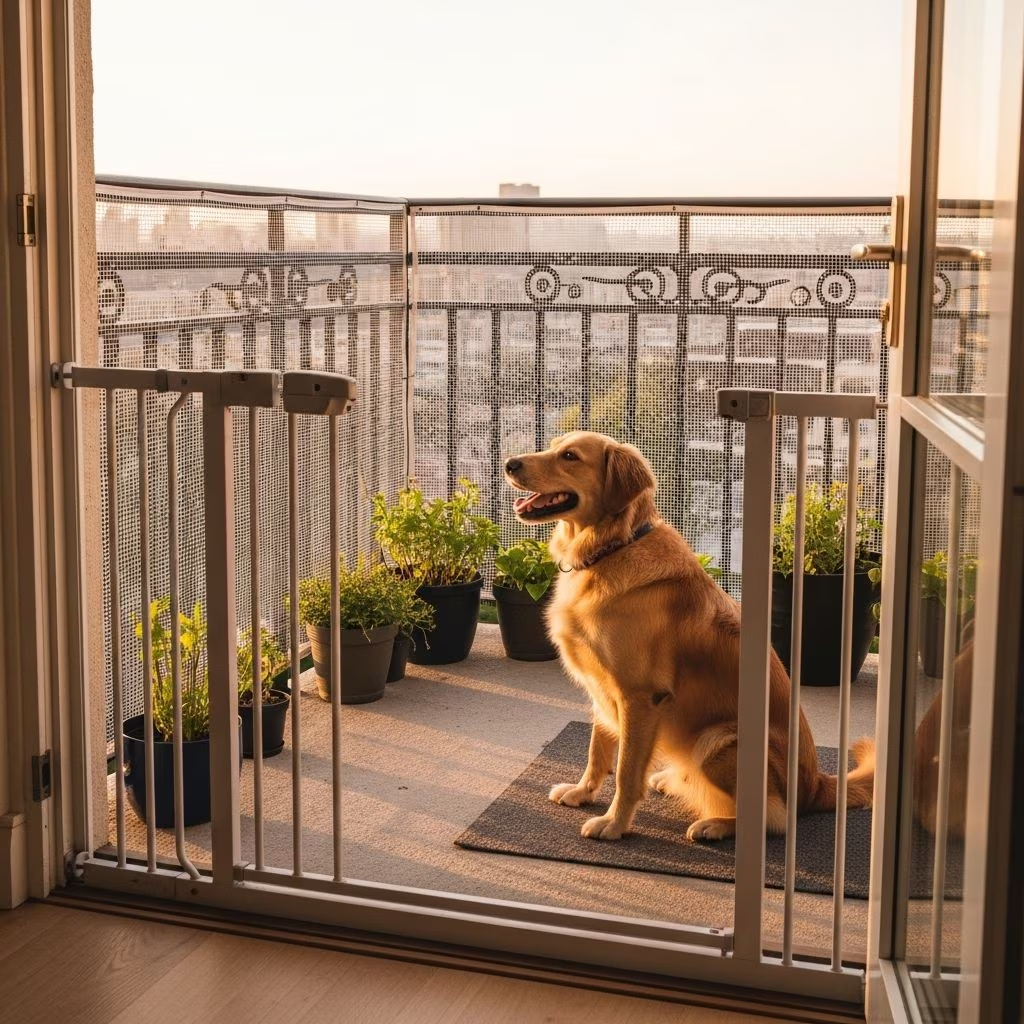
Balconies offer valuable outdoor space for dogs in apartments or condos, but they pose serious risks like falls through railings or access to dangers. This guide details comprehensive measures to fortify these areas, prioritizing fall prevention, hazard elimination, and enjoyable features while drawing from reliable pet safety practices.
Understanding Balcony Risks for Canine Companions
Dogs of all sizes face unique threats on elevated balconies. Small breeds can slip through wide-spaced bars, while larger ones might leap or knock over unstable items. Wind gusts exacerbate issues by startling pets or dislodging objects. Statistics from pet welfare organizations highlight that balcony falls injure thousands of dogs yearly, often due to inadequate barriers or unsupervised access. Addressing these requires a multi-layered approach: physical reinforcements, environmental controls, and behavioral training.
Key vulnerabilities include:
- Gaps in railings wider than 4 inches, allowing heads or bodies to pass.
- Low railing heights under 42 inches, tempting jumpers.
- Sharp edges, loose wires, or chewable materials inviting injury.
- Toxic substances like fertilizers or plants within reach.
Proactive modifications turn potential hazards into safe retreats, enabling fresh air benefits without constant worry.
Fortifying Railings: Primary Defense Against Falls
Railings demand immediate attention as the frontline against plummeting accidents. Measure gaps meticulously—anything exceeding your dog’s head width needs blocking. Opt for durable, pet-resistant materials suited to your balcony’s layout and budget.
| Method | Pros | Cons | Best For |
|---|---|---|---|
| Plexiglass Panels | Clear view preservation; chew-resistant; permanent look | Higher cost; requires precise fitting | Large, strong dogs |
| Heavy-Duty Netting | Affordable; easy install; airflow-friendly | May tear if chewed; needs regular checks | Small to medium dogs |
| Chicken Wire Mesh | Economical; robust against pushing; waterproof | Less aesthetic; potential rust over time | Determined chewers |
| Bamboo or Wood Panels | Natural aesthetic; customizable height | Chew-vulnerable; frequent inspections needed | Decor-focused owners |
Installation tips: Secure all options with zip ties, clamps, or screws into solid frames. For renters, choose no-drill tension systems or freestanding gates. Test stability by pushing and jumping simulations before unleashing your dog.
Elevating Barriers: Height Adjustments and Extensions
If standard railings fall short—literally—extend them upward or add lower infills. Homeowners can weld or bolt extensions, raising effective height to 60+ inches, deterring even agile breeds. Renters might use adjustable extension kits or stacked baby gates pressure-fitted against walls.
Privacy screens serve dual purposes: visual blocks reduce jumping triggers like street distractions, and sturdy frames add barrier strength. Fabric varieties roll up for storage, while rigid wood or metal versions withstand battering. Combine with tethers for high-wind areas, clipping a 10-15 foot lead to a central anchor point, ensuring mobility without edge access.
Eliminating Hazards: A Clean Slate for Safety
Beyond falls, balconies harbor chewables, toxics, and escape routes. Conduct a thorough audit:
- Electricals: Tuck cords behind furniture or use cord covers; unplug grills or lights.
- Chemicals: Relocate cleaners, paints, or pesticides to locked storage indoors.
- Plants: Remove lilies, azaleas, or fertilizers toxic to dogs; suspend pots high or choose pet-safe alternatives like spider plants.
- Furniture: Anchor chairs/tables to prevent toppling climb aids; opt for non-splinter wood or metal.
Daily sweeps catch debris like glass shards from wind-blown trash. Non-slip mats under paws prevent slides on slick surfaces, especially post-rain.
Designing Functional Potty and Play Zones
Urban dogs benefit from balcony relief stations, easing potty logistics in bad weather. Designate a corner with drainage-friendly setups:
- Artificial turf pads over pee trays for natural feel and easy hosing.
- Disposable absorbent mats for minimalists, swapped weekly.
- Elevated doggy litter boxes containing waste, preventing drips to lower levels.
Enrich with play: Scatter durable toys, add shaded loungers, or install shallow kiddie pools for cooling paws. Vertical gardens with chew-proof planters provide sniffing stimulation without floor clutter.
Supervision and Training: Behavioral Safeguards
No fortification replaces vigilance. Never leave dogs unattended—even briefly. Introduce balconies gradually: Leash walks build comfort, rewarding calm behavior. Train ‘place’ commands to a mat away from edges.
For reactive dogs, desensitize to balcony triggers like birds via controlled exposures. High-energy pups need pre-balcony exercise to curb zoomies. Gates at doors allow ventilated supervision, blocking unauthorized dashes.
Maintenance Routines for Long-Term Security
Safety degrades without upkeep. Weekly inspections check for:
- Cracks in plexiglass or bent wires.
- Chew damage loosening ties.
- Weather wear like faded netting.
Seasonal deep cleans remove mildew; reapply rust-proof sprays to metal. Log changes in a pet journal to track wear patterns, budgeting replacements proactively.
Common Balcony Setups: Tailored Solutions
| Balcony Type | Size | Dog Profile | Recommended Combo |
|---|---|---|---|
| High-Rise Apartment | Small | Toy breeds | Netting + potty pad + indoor tether |
| Condo Patio | Medium | Medium active | Chicken wire + turf zone + privacy screen |
| House Deck | Large | Large strong | Plexiglass + height extension + play pen |
Frequently Asked Questions
Can any dog use a balcony safely?
With proper proofing, yes—even puppies or seniors. Assess breed athleticism and tailor barriers accordingly.
How much does plexiglass cost for a 10×5 balcony?
Expect $200-500 for materials, plus $100-300 install, varying by thickness and supplier.
Is chicken wire safe long-term?
Yes, if galvanized and tensioned taut; inspect monthly for rust or pokes.
What if my dog chews everything?
Choose metal-reinforced options and redirect with kong toys; consult trainers for habits.
Alternatives for no-balcony access?
Window perches or leashed courtyard walks mimic benefits safely.
References
- Making Your Balcony Safe and Dog-Friendly — American Kennel Club. 2023-05-15. https://www.akc.org/expert-advice/health/making-your-balcony-fun-and-dog-friendly/
- How to Dog Proof a Balcony: 10 Simple Tips — Dogster. 2024-02-10. https://www.dogster.com/dog-health-care/how-to-dog-proof-a-balcony
- How to Make Your Balcony Pet Proof — Ask Team Clean. 2023-11-20. https://www.askteamclean.com/au/en/organising/dog-cat-proof-balcony.html
- How to keep pets safe on balconies — Blue Cross. 2024-07-08. https://www.bluecross.org.uk/advice/cat/health-and-injuries/how-to-keep-pets-safe-on-balconies



