Secure Your Dog: Car Travel Safety Guide
Essential tips and crash-tested gear to keep your dog safe during every road trip, preventing distractions and injuries.
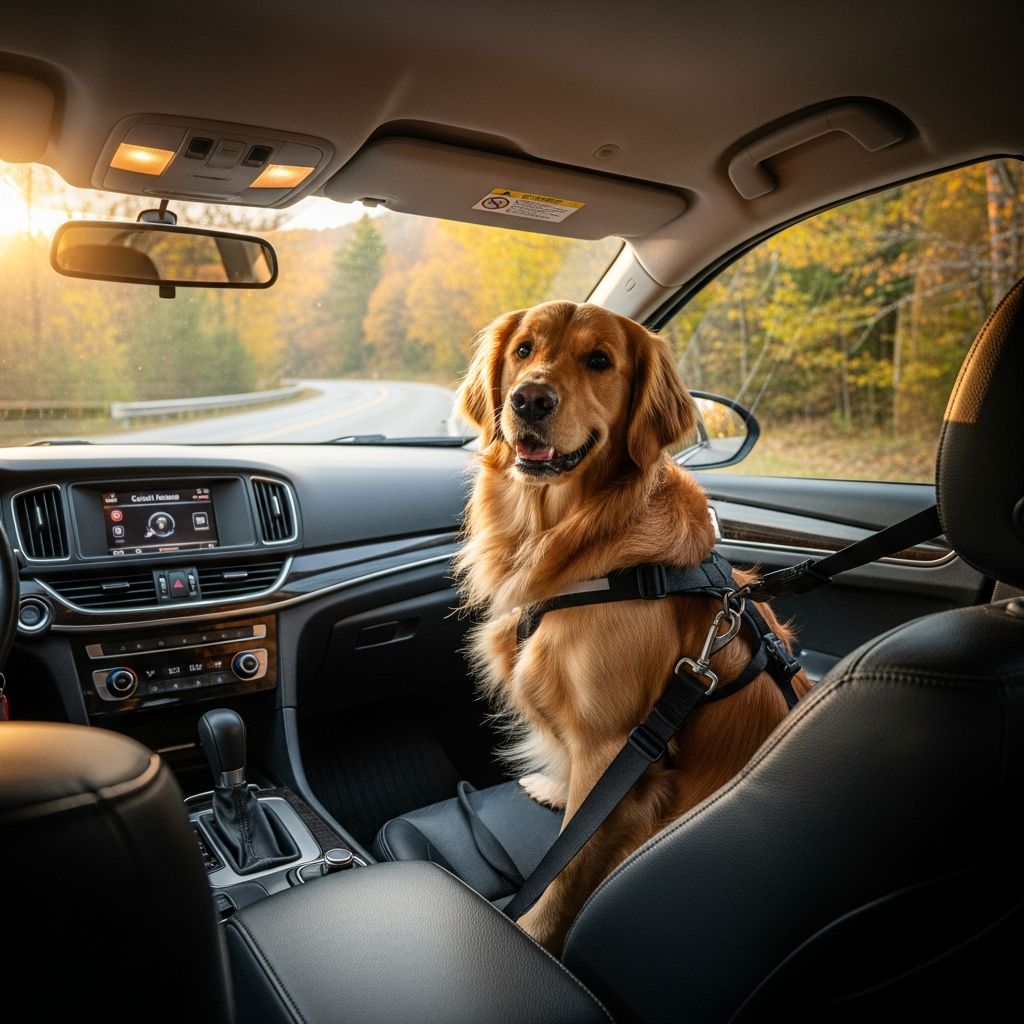
Keeping dogs safe in vehicles requires more than just opening the door and letting them hop in. Unrestrained pets can become dangerous projectiles in crashes, distract drivers, or escape unexpectedly, endangering everyone on board. This guide explores effective restraint methods, vetted products, fitting tips, and legal considerations to ensure secure and stress-free journeys.
Why Vehicle Restraints Matter for Pets
During sudden stops or collisions, an unsecured dog can weigh as much as a small adult human due to momentum forces. This risk escalates with speed: a 50-pound dog at 50 mph exerts over 2,500 pounds of force upon impact. Driver distractions from shifting pets contribute to thousands of accidents yearly, while loose dogs risk jumping out at stops. Proper restraints mitigate these hazards, protecting pets, passengers, and drivers alike.
Health experts emphasize that restraints also prevent motion sickness and anxiety, promoting calmer rides. Veterinary professionals recommend back-seat placement to avoid airbag deployment injuries in front positions.
Top Restraint Options for Different Dog Sizes
Selecting the right tool depends on your dog’s size, temperament, and vehicle type. Here’s a breakdown of reliable categories:
- Harnesses: Ideal for most dogs; attach directly to seat belts via crash-rated designs.
- Crates and Carriers: Best for small or anxious pets; must be secured firmly.
- Barriers: Suited for large breeds in SUVs or hatchbacks.
- Booster Seats: Elevate small dogs for better visibility and belt fit.
Crash-Tested Harnesses: The Gold Standard
Standard walking harnesses or collars fail catastrophically in crashes, allowing pets to be ejected or injure passengers. Opt for independently tested models meeting rigorous standards like those from ASTM or Center for Pet Safety (CPS).
ASTM F3725, approved in 2025, sets benchmarks for motor vehicle dog harnesses, ensuring they withstand ejection forces and protect occupants. CPS certifications involve real-world crash simulations at 50 mph, approving products like Sleepypod Clickit Sport, Sleepypod Clickit Terrain, and ZuGoPet Rocketeer Pack.
Key features include padded vests for shock absorption, dual seatbelt loops, and steel buckles. Avoid any with extension tethers, as they fail crash tests by allowing excessive movement.
Crates and Carriers for Contained Security
For dogs under 50 pounds or those prone to restlessness, hard-sided crates or soft carriers provide enclosure. Secure them in the cargo area or back seat using seat belts threaded through attachment points. CPS-approved options include Sleepypod carriers and select travel crates.
Fit the crate so two fingers slide under edges for comfort without looseness. Always leash the dog inside unless an internal tether exists, preventing escapes upon opening.
Barriers for Large or Active Dogs
Wire mesh or adjustable barriers keep big breeds like Great Pyrenees in the rear, reducing front-seat access. They create a dedicated space for lying down, ideal for nervous dogs. Models like MidWest or Walky Dog fit most vehicles and install via headrests or seats.
Booster Seats for Small Breeds
These elevate toys and laps dogs to align with seat belts, preventing slouching. Ensure the belt clips prevent roaming, and disable front passenger airbags if used upfront. Suitable for calm small dogs only.
Fitting and Installation Best Practices
Proper setup is crucial for effectiveness. Follow these steps:
- Measure Accurately: For harnesses, check two-finger clearance around chest, back, and armpits. Adjust straps snugly without pinching.
- Position Correctly: Back seat or cargo area only. Thread belts through designated loops, avoiding twists.
- Test Stability: Tug firmly; no slippage. Practice short drives to acclimate your dog.
- Combine with ID: Attach collar with tags and microchip info. Carry vet records, food, water, and first-aid.
| Dog Size | Recommended Restraint | Key Fit Tip | CPS/ASTM Approved Examples |
|---|---|---|---|
| Small (<25 lbs) | Carrier or Booster | Two-finger under straps | Sleepypod Carriers |
| Medium (25-50 lbs) | Harness | Secure dual loops | Clickit Sport, Rocketeer |
| Large (>50 lbs) | Barrier or Crate | Anchored to vehicle | MidWest Barrier |
Legal Requirements Across Regions
While federal U.S. laws don’t mandate pet restraints, states vary. Massachusetts requires truck-bed dogs in tethered crates with 46-inch sides, fining violators $50+. Rhode Island and others demand securement to prevent ejection. Always check local rules; erring toward CPS-certified gear ensures compliance.
Internationally, similar standards apply, prioritizing crash protection.
Training Dogs for Calm Car Travel
Restraints work best with cooperative pets. Start with positive associations:
- Short trips with treats and praise.
- Gradual exposure to gear at home.
- Breaks for potty and water.
- Calming aids like pheromone sprays if needed.
Avoid feeding heavy meals pre-trip to curb nausea. Emergency kits with meds and bowls enhance preparedness.
Common Mistakes to Avoid
Steer clear of these pitfalls:
- Using collars or basic leashes—risks neck injuries.
- Front-seat placement—airbag hazards.
- Extensions or bungees—crash failures.
- Unsecured crates—become projectiles.
- Ignoring fit—loose gear shifts dangerously.
Frequently Asked Questions
Are dog car seat belts universal?
Most clip into standard vehicle belts, but verify compatibility. Crash-tested ones like Kurgo Tru-Fit work across models.
Can large dogs use harnesses?
Yes, if sized properly and CPS-rated; otherwise, barriers or crates suit better.
What’s the safest spot in the car?
Back seat center or secured cargo area, away from airbags.
How often should I check restraints?
Before every trip; inspect for wear monthly.
Do all harnesses need crash certification?
For safety, yes—untested ones may fail.
Choosing Products Wisely
Research CPS lists for certified items. Read reviews from verified buyers, prioritizing padding, durability, and adjustability. Budget options exist, but safety trumps cost—invest in protection.
References
- Dog Harness Safety — ASTM International. 2025-11-14. https://www.astm.org/news/dog-harness-safety
- Car-Ride Ready: How to Safely Secure Your Dog in Any Vehicle — Dogtopia. N/A. https://www.dogtopia.com/blog/car-ride-ready-how-to-safely-secure-your-dog-in-any-vehicle/
- Do You Need a Dog Car Seat, Dog Seat Belt, Barrier or a Carrier? — PetMD Editorial. N/A. https://www.petmd.com/dog/care/dog-car-safety-do-you-need-dog-car-seat-dog-seat-belt-barrier-or-carrier
- What You Need to Know About Dog Car Restraints — AAA Northeast Magazine. N/A. https://magazine.northeast.aaa.com/daily/life/cars-trucks/dog-car-restraints/
- How to Keep Your Dog Comfortable During Car Rides — American Kennel Club. N/A. https://www.akc.org/expert-advice/travel/dog-comfortable-car-rides/
- Best Dog Car Seats and Restraints for 2026, Tested — Car and Driver. N/A. https://www.caranddriver.com/car-accessories/g60191102/best-dog-car-seats-restraints-tested/
- CPS Certified — Center for Pet Safety. N/A. https://www.centerforpetsafety.org/cps-certified/
Similar Articles








Read full bio of medha deb