

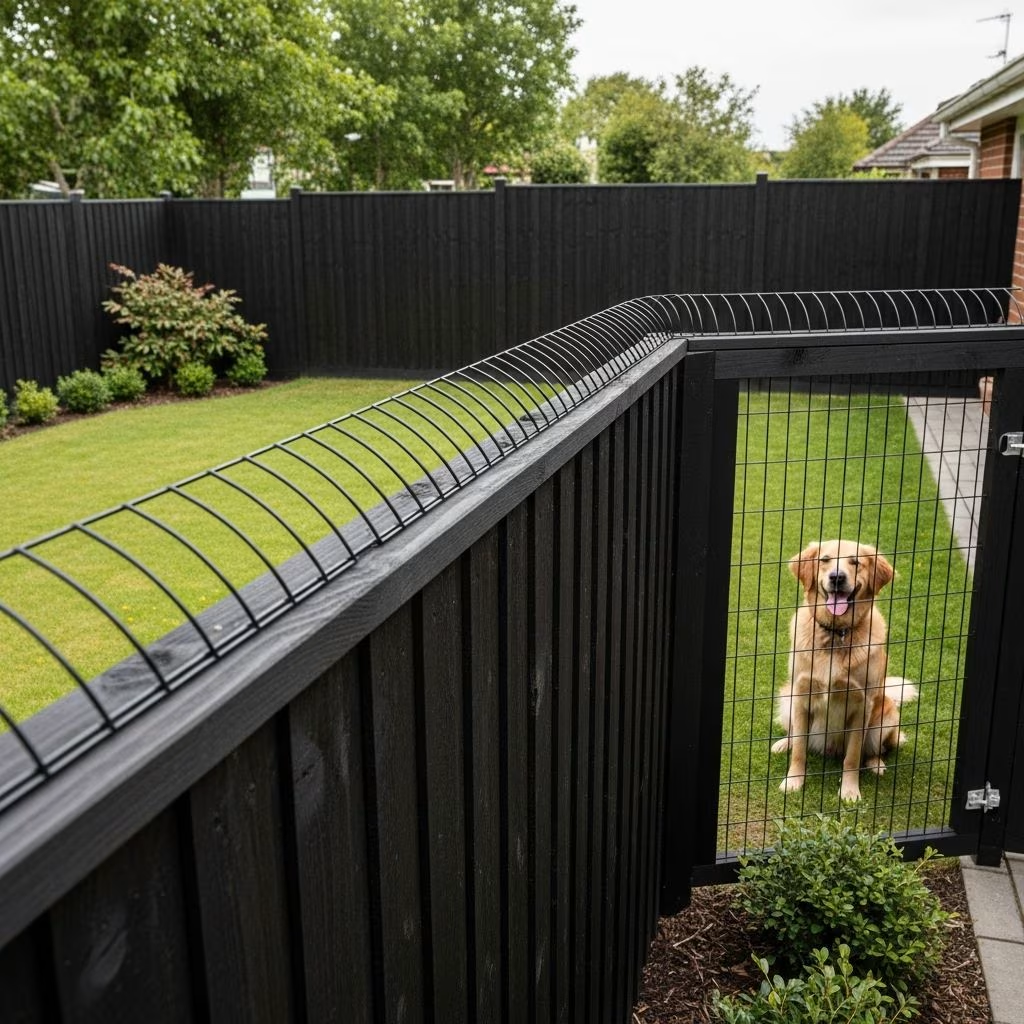
Preventing dogs from escaping the yard is crucial for their safety and your peace of mind. Many dogs attempt to leave due to boredom, fear, curiosity, or unmet needs, leading to risks like traffic accidents or getting lost. This guide explores why dogs escape and provides practical, step-by-step solutions using physical reinforcements, training methods, and environmental enrichments to create a secure outdoor space.
Understanding Why Dogs Try to Leave the Yard
Dogs escape for various reasons rooted in instinct or circumstance. High prey drive prompts chasing after squirrels or neighborhood cats visible through fences. Boredom affects understimulated pets, turning the yard into an adventure zone. Fear from loud noises like thunderstorms or fireworks can drive dogs to bolt. Hormonal urges in unneutered dogs lead to roaming, while separation anxiety causes frantic escapes when left alone. Identifying the trigger helps tailor prevention strategies effectively.
- Prey drive: Sight or sound of animals outside triggers pursuit.
- Boredom: Lack of exercise or play leads to mischief.
- Fear or anxiety: Sudden noises or isolation prompt flight.
- Hormones: Intact males or females seek mates.
- Curiosity: Exploring new scents or sounds beyond the boundary.
Observing patterns in your dog’s behavior, such as patrolling fence lines or reacting to passersby, reveals the primary motivator. Addressing these root causes alongside physical barriers yields the best results.
Physical Barriers: Fortifying Your Fence Against Common Escape Tactics
The foundation of yard security is a robust fence. Standard heights of 4-6 feet deter most dogs, but determined escape artists require enhancements. Regularly inspect for weak spots like gaps, loose panels, or climbable features.
Countering Diggers
Dogs that dig under fences often create extensive tunnels. Effective countermeasures include:
- Burying chain-link or hardware cloth 12-24 inches deep along the entire perimeter, extending inward to block access.
- Installing an L-shaped footer: Bend fencing at a 90-degree angle so the base lies flat on the ground or is buried slightly.
- Placing heavy rocks, bricks, or concrete pavers tightly against the fence base to discourage starting digs.
A concrete curb poured along the fence line provides a permanent solution, especially for persistent diggers.
Stopping Jumpers and Climbers
Athletic breeds like Huskies or Border Collies excel at scaling. Prevent this by:
- Adding coyote rollers—PVC pipes or rollers mounted on top that spin, preventing grip.
- Installing inward-angling extensions (45 degrees) or eaves extending 3 feet over the yard.
- Using light-gauge wire mesh across corners or the top to create instability.
Remove aids like picnic tables, trash cans, or low branches near the fence that serve as launch pads. For visual triggers, add privacy slats or hedges to block views of distractions.
Securing Gates and Small Gaps
Gates are common weak points. Use heavy-duty latches, padlocks, or double gates. For small dogs squeezing through, attach collars with “puppy bumpers” to increase their width. Signs reminding visitors to latch gates prevent accidental openings.
| Escape Method | Recommended Fix | Cost Estimate | Difficulty |
|---|---|---|---|
| Digging | L-footer or buried mesh | Low ($50-200) | Medium |
| Jumping/Climbing | Coyote rollers | Medium ($100-300) | Low |
| Squeezing | Bumper collar | Low ($20-50) | Low |
| Gate dash | Padlock + signs | Low ($10-30) | Low |
Training Techniques to Discourage Escapes
Physical barriers buy time, but training builds reliability. Never punish escapes, as it erodes trust; focus on positive reinforcement.
Mastering Recall Commands
A rock-solid recall prevents wanderlust. Practice in low-distraction areas:
- Use a long leash (20-50 feet) in a secure yard.
- Call your dog’s name + command (e.g., “Come!”) enthusiastically.
- Reward heavily with treats, toys, or praise upon return—jackpot for distance recalls.
- Gradually add distractions like toys or mild noises.
Practice daily; reliability comes from consistency.
Door and Gate Manners
Door-dashers bolt through openings. Train with an “airlock” system:
- Install baby gates or x-pens before exterior doors.
- Practice entering/exiting: Open door, step through gate, treat dog for staying put.
- Teach “wait” or “stay” before unleashing.
Leash dogs near doors until trained.
Desensitization for Fear-Based Escapes
For noise-phobic dogs, pair scary sounds with treats at low volumes, gradually increasing. Consult a trainer for severe cases.
Enriching the Yard: Make It a Destination, Not a Launchpad
An engaging yard reduces escape motivation. Provide:
- Exercise: Daily walks or runs to burn energy.
- Toys and puzzles: Rotate interactive feeders, sniffari mats, and chew toys.
- Shade and comfort: Doghouses, pools, or digging pits in approved spots.
- Companionship: Supervise playtime; unsupervised yards invite trouble.
Enclosed runs or doggy daycares supplement yard time.
Identification and Recovery: Prepare for the Worst
Even secure yards fail occasionally. Equip dogs with:
- Collar with ID tags and rabies tag.
- Microchip with updated registry.
- GPS tracker collar for real-time location.
Train family on lost dog protocols: Search immediately, post flyers, notify shelters.
Frequently Asked Questions
What if my fence is already high enough?
Height alone isn’t enough; add anti-climb rollers or lean-ins for jumpers.
Is tethering safe?
No—tethering causes aggression and injury; use proper containment.
How do I stop border patrolling?
Block views with slats and increase daily exercise.
Are coyote rollers effective for all dogs?
Yes for most, but test small sections first.
What about spaying/neutering?
It reduces roaming urges significantly; consult your vet.
Long-Term Maintenance for a Lifetime of Security
Weekly inspections catch issues early. Combine barriers (60% effort), training (30%), and enrichment (10%) for comprehensive protection. Professional trainers or fence installers help complex cases. A secure yard lets your dog thrive safely.
References
- Behavior Challenges: Escape Behavior in Dogs — San Diego Humane Society. 2024. https://sdhumane.org/resources/behavior-challenges-escape-behavior-in-dogs/
- How To Prevent Your Dog From Escaping Your Yard — Tether Tug. 2023. https://tethertug.com/blogs/news/how-to-prevent-your-dog-from-escaping-your-yard
- How to Escape-proof Your Yard — Fetching FurEver Homes. 2023. https://www.fetchingfureverhomes.org/post/escapeproofyouryard
- How to Stop Dogs From Escaping — Best Friends Animal Society. 2024. https://bestfriends.org/pet-care-resources/how-stop-dogs-escaping
- Escape Prevention Tips: How to Help Prevent Your Dog from Getting Lost — East Bay SPCA. 2024-05. https://eastbayspca.org/wp-content/uploads/2024/05/Escape-Prevention-Tips_Canine.pdf
- Train Your Dog to Stop Fence Escapes — Dog Day Getaway. 2023. https://dogdaygetaway.com/train-your-dog-to-stop-fence-escapes/
- Keep Your Dog from Running Away — Humane World. 2024. https://www.humaneworld.org/en/resources/keep-your-dog-running-away-knowing



