

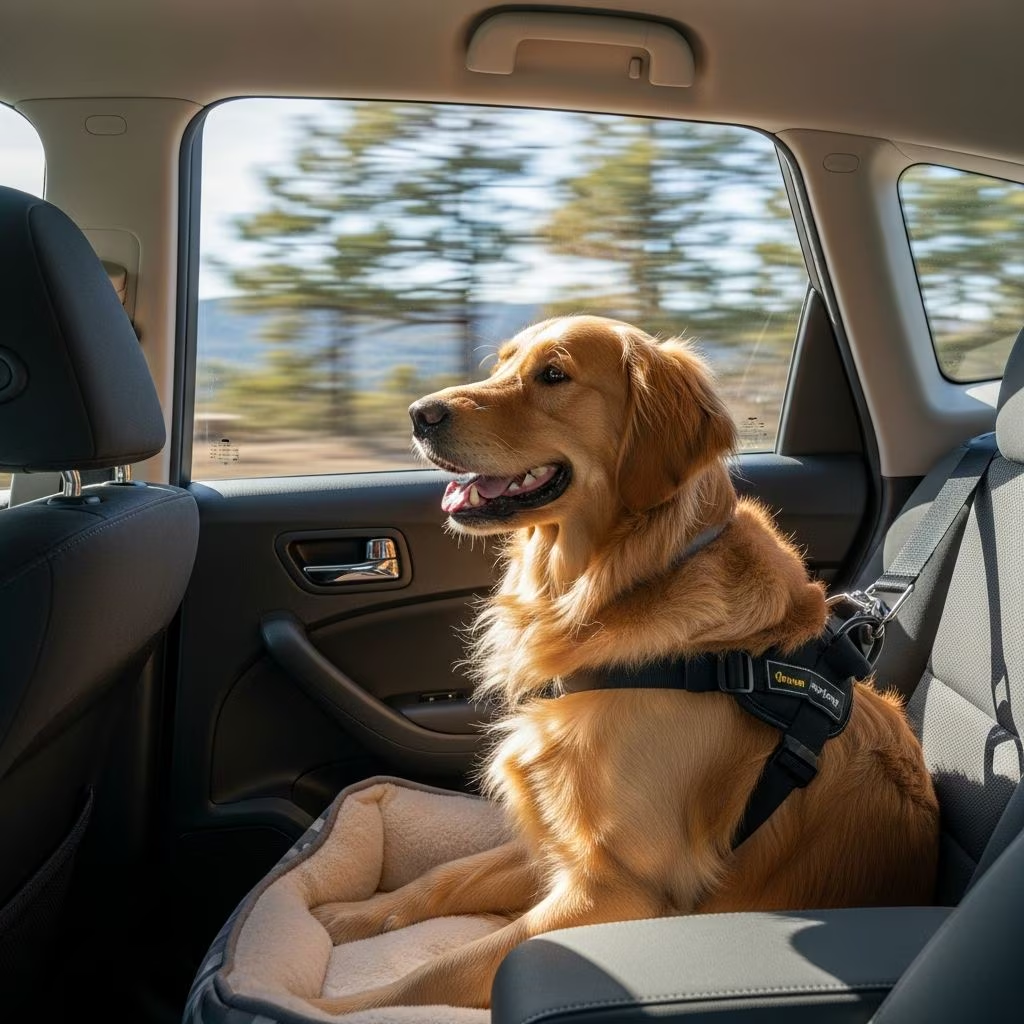
Traveling by car with your dog opens up exciting opportunities for adventures, but it demands careful preparation to safeguard both your pet’s well-being and your vehicle’s condition. Proper restraints prevent injuries during sudden stops or crashes, while protective measures combat fur, mud, drool, and scratches. This guide outlines effective approaches to create a safe, comfortable environment for your furry companion on every journey.
Why Prioritize Pet Restraints in Vehicles
Dogs roaming freely in cars pose significant risks. Distracted driving from pet movement contributes to nearly 30% of incidents, according to safety analyses. Unrestrained animals can become projectiles in collisions, endangering passengers and themselves. The backseat emerges as the optimal location, distant from front-seat airbags that inflate with force capable of harming pets. Keeping dogs confined reduces these hazards and maintains driver focus.
Top Restraint Options for Optimal Protection
Selecting the right gear hinges on your dog’s size, temperament, and travel frequency. Prioritize products tested for crash performance to ensure reliability.
Crash-Tested Safety Harnesses
These harnesses attach directly to your car’s seatbelt system, securing dogs firmly yet comfortably. Padding and adjustable straps accommodate various breeds, preventing slippage during maneuvers. Independent tests by organizations like the Center for Pet Safety reveal that only specific models withstand high-impact simulations, underscoring the need for certified options. They allow limited movement for resting or repositioning without full freedom.
- Verify crash-test certification before purchase.
- Fit snugly across chest and torso, not necks.
- Ideal for medium to large dogs preferring mobility.
Elevated Booster Seats for Small Breeds
Compact dogs benefit from booster seats that raise them to window level, curbing anxiety from obstructed views and minimizing driver petting distractions. These must latch into seatbelts or vehicle anchors for stability. By elevating pets, they avoid floor contact, reducing dirt transfer and providing a padded perch.
- Choose models compatible with your car’s LATCH system.
- Ensure weight limits match your pet’s size.
- Great for short-haired breeds prone to chilling on seats.
Rigid Crates for Maximum Security
Hard-sided, impact-tested crates offer the highest protection, containing dogs completely during accidents. Secure them centrally in the vehicle to minimize side-impact forces. Testing shows many marketed crates fail under collision stress, so opt for those passing rigorous evaluations. Ventilation and size allow comfort without excess space.
- Tether crates to prevent sliding.
- Use for anxious or large dogs needing confinement.
- Avoid soft-sided variants for travel.
Seat Barriers and Tethers
Metal or heavy-duty fabric barriers divide front and rear seats, blocking forward lunges while permitting rear movement. Tethers clip to collars or harnesses, offering more play than crates but less crash security. Combine with harnesses for layered defense.
Comparison of Restraint Methods
| Method | Best For | Crash Protection | Comfort Level | Cost Range |
|---|---|---|---|---|
| Harness | Medium/Large Dogs | High (if tested) | Medium | Medium |
| Booster Seat | Small Dogs | Medium | High | Low-Medium |
| Crate | All Sizes | Highest | Low-Medium | High |
| Barrier/Tether | Active Dogs | Low-Medium | High | Low |
Training Your Dog for Stress-Free Rides
Even top gear falters without behavioral conditioning. Begin with short sessions: introduce the car stationary, reward calm sitting in the designated spot. Progress to engine idling, then brief drives around the block. Positive reinforcement with treats builds association between car time and positivity. Address motion sickness by fasting lightly before trips and using vet-approved remedies.
- Practice entry/exit routines daily.
- Use commands like “settle” for positioning.
- Gradually extend trip durations.
Shielding Your Car’s Interior from Pet Damage
Beyond safety, dogs leave trails of hair, saliva, mud, and claws. Proactive barriers preserve upholstery and simplify maintenance.
Impervious Floor Coverings and Seat Guards
All-weather mats capture dirt and water, preventing seepage into carpets. Hammock-style or custom-fit seat covers shield fabric from scratches and fur embedding. Machine-washable options like fleece blankets serve as budget alternatives, attracting hair for easy vacuuming.
Window Protection Tactics
Drool and nose smudges mar glass quickly. Apply cling film or electrostatic liners that peel off for cleaning without residue. UV-blocking shades double as heat reducers, enhancing comfort during parked waits.
Routine Cleaning Protocols
Act promptly on messes: blot liquids, brush away solids, and steam clean quarterly. Designate one rear area for your dog to concentrate wear, easing spot treatments.
Critical Habits to Avoid During Drives
Certain actions amplify dangers despite precautions.
- Never front-seat pets: Airbag deployment risks fatal injury.
- Ban loose truck-bed rides: Use tethered crates only in fair weather.
- No unattended vehicles: Heat builds rapidly, even shaded.
- Avoid window-head hangs: Debris or insects can harm eyes/ears.
- Skip collars for restraints: They choke under force; harnesses distribute pressure.
FAQs on Dog Car Safety
What’s the single safest restraint method?
Impact-tested crates secured centrally provide unparalleled crash containment.
Can my dog ride in a pickup without a crate?
No—always tether in a hard crate to prevent ejection.
How do I pick a harness size?
Measure girth behind front legs; consult crash-test lists from nonprofits.
Is training necessary if using gear?
Yes—it minimizes distractions and enhances gear effectiveness.
What if my dog hates car rides?
Desensitize gradually with rewards; consult vets for anti-nausea aids.
Long-Haul Travel Considerations
For extended trips, plan stops every 2-3 hours for exercise, water, and bathroom breaks. Pack familiar bedding in crates for reassurance. Monitor for heatstroke signs like excessive panting. Carry ID tags, vaccination records, and emergency vet contacts. Weatherproof gear ensures adaptability to rain or cold.
Integrating these practices transforms car trips into joyful outings. Invest time in selection and training for peace of mind on open roads.
References
- Traveling With Your Dog in the Car? Follow These 6 Safety Tips — Chewy.com. 2023. https://www.chewy.com/education/dog/general/keeping-dog-safe-car
- Dog Car Safety: A Comprehensive Guide for Pet Owners — Wholesome Pet Food. 2024. https://wholesomespetfood.com/dog-car-safety-a-comprehensive-guide-for-pet-owners/
- Dog-Proof Your Car With These Helpful Hints — Mapfre Insurance. 2023. https://www.mapfreinsurance.com/blog/dog-proof-your-car/
- Dog Car Safety and Seat Belt Tips — Purina US. 2024. https://www.purina.com/articles/dog/health/routine-care/dog-car-safety
- Crucial Tips for Dog Safe Car Travel — McCann Dogs. 2023. https://www.mccanndogs.com/blogs/articles/crucial-tips-for-dog-safe-car-travel
- Pet safety in vehicles — American Veterinary Medical Association (AVMA). 2025-01-15. https://www.avma.org/resources-tools/pet-owners/petcare/pets-vehicles



