
Secondary Assessment in Small Animal Emergencies
Mastering the detailed follow-up evaluation to uncover hidden issues and guide targeted therapy in critical veterinary cases.
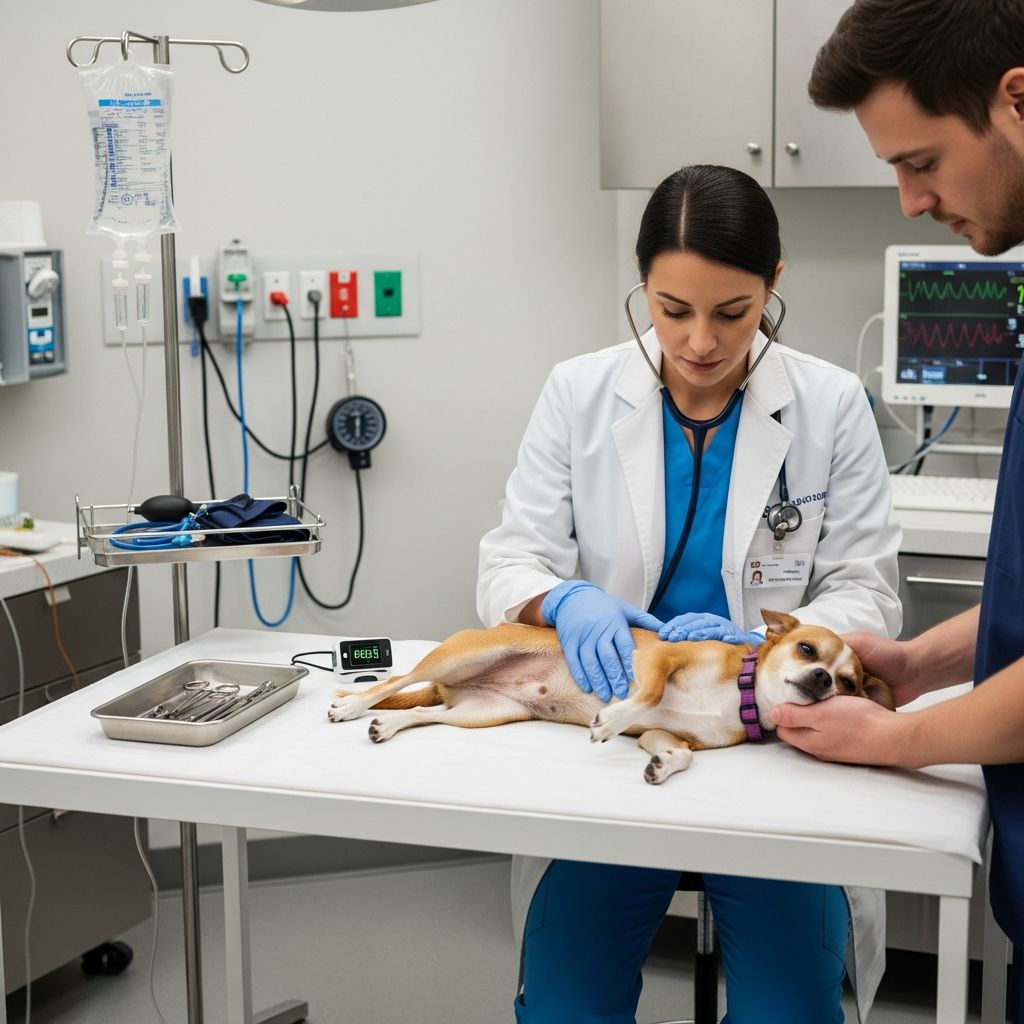
In the high-stakes world of veterinary emergency care, the secondary assessment serves as a critical bridge between rapid initial triage and comprehensive diagnostics. After stabilizing life-threatening issues like airway patency, breathing adequacy, and circulation stability, this phase involves a meticulous head-to-tail examination to detect subtler abnormalities that could influence prognosis and therapy. This approach ensures no underlying condition is overlooked, allowing for timely interventions that can significantly improve patient outcomes.
Transitioning from Primary Triage to Detailed Evaluation
The primary triage focuses on immediate threats using the ABCDE framework—Airway, Breathing, Circulation, Disability, and Exposure. Once these are addressed, the secondary assessment expands the scope. Veterinary teams shift from crisis management to systematic data collection, observing the patient’s response to initial therapies while gathering a detailed history and performing a full physical exam. This transition is vital because many emergency presentations, such as trauma or toxin exposure, reveal complexities only after stabilization.
Effective handover between triage personnel and the primary clinician is key. Notes on initial vital signs, owner-reported history, and any interventions should be clearly documented. For instance, if oxygen supplementation was started for respiratory distress, reassess its impact before proceeding. This phased approach prevents oversight and promotes efficient resource use in busy emergency settings.
Gathering Comprehensive Patient History
A thorough history forms the cornerstone of the secondary assessment. Owners often provide invaluable details under calmer conditions post-triage. Key elements include:
- Chief complaint and onset: Exact timeline of symptoms, such as sudden collapse or progressive lethargy.
- Medical background: Chronic conditions, vaccinations, recent surgeries, or ongoing medications.
- Environmental factors: Potential toxin exposure, diet changes, or trauma details like hit-by-car incidents.
- Behavioral changes: Appetite, urination, defecation patterns, and interactions with other pets.
Structured questioning helps, such as ‘When did you first notice this?’ or ‘Has the pet eaten anything unusual?’ In trauma cases, ascertain speed of impact or fall height. For medical emergencies like vomiting, note frequency, character (blood-tinged?), and associated signs like diarrhea. This history guides differential diagnoses and prioritizes tests like bloodwork or imaging.
Systematic Physical Examination Techniques
The physical exam proceeds in a logical order: head, neck, thorax, abdomen, pelvis, limbs, and tail. Reassess vitals frequently—heart rate, respiratory rate, temperature, mucous membrane color, and capillary refill time (CRT). Normal ranges vary by species: dogs typically have heart rates of 60-160 bpm, cats 140-220 bpm; respiratory rates 10-30 bpm for both.
| Parameter | Dogs (Normal) | Cats (Normal) | Critical Abnormalities |
|---|---|---|---|
| Heart Rate | 60-160 bpm | 140-220 bpm | Tachycardia >180 bpm (dogs), Bradycardia <100 bpm (cats) |
| Respiratory Rate | 10-30 bpm | 20-40 bpm | >40 bpm with effort |
| Temperature | 100-102.5°F | 100.5-102.5°F | Hyperthermia >104°F, Hypothermia <99°F |
| CRT | <2 sec, pink MM | <2 sec, pink MM | Prolonged >3 sec, pale/blue MM |
Head and Neurological Evaluation
Begin with the eyes, ears, nose, and oral cavity. Check pupillary light reflexes (PLR)—constriction in bright light indicates intact cranial nerves II and III. Unequal pupils (anisocoria) may signal head trauma or intracranial disease. Assess mentation using the Modified Glasgow Coma Scale: normal is alert and responsive; obtunded or comatose scores lower, prompting neuroprotective measures.
Neurological status includes posture (head tilt?), gait (ataxia?), and reflexes (menace, paw pinch). In seizure patients post-ictal, monitor for recurrence while administering anticonvulsants like diazepam if needed.
Thoracic and Respiratory Inspection
Auscultate all lung fields for crackles (fluid), wheezes (bronchospasm), or muffled sounds (pleural effusion). Palpate the chest wall for fractures—cre pitus suggests pneumothorax. Re-evaluate oxygen response; persistent dyspnea may require thoracocentesis. Observe for paradoxical breathing, where the chest sinks on inspiration, indicating flail chest or diaphragmatic hernia.
Abdominal and Cardiovascular Review
Gently palpate the abdomen for pain, distension (free fluid, gas), or masses. Guarding suggests peritonitis or hemoabdomen. Cardiovascularly, grade pulses (strong vs. weak/thready) and check for arrhythmias via auscultation. Weak pulses with tachycardia point to hypovolemic shock, warranting fluid boluses.
Musculoskeletal and Urogenital Survey
Examine limbs for fractures, lacerations, or swelling. Test joint stability and range of motion. Urogenital assessment includes bladder palpation—distended and firm signals urinary obstruction, a urological emergency in male cats. Note penile spikes or vaginal discharge.
Integrating Diagnostic Sampling
During the secondary survey, collect point-of-care data: packed cell volume (PCV)/total solids (TS) from ear prick or jugular blood. PCV <20% indicates anemia; TS >8 g/dL suggests dehydration. Venous blood gas analyzes lactate (normal <2.5 mmol/L; elevated signals poor perfusion), pH, and electrolytes. Urinalysis via cystocentesis detects crystals or infection.
These rapid tests inform immediate decisions, like blood transfusion for severe anemia or insulin for diabetic ketoacidosis.
Prioritizing Interventions Based on Findings
Abnormalities dictate actions:
- Shock: Fluid therapy—crystalloids 20 ml/kg bolus, reassess.
- Pain: Opioids like fentanyl CRI; multimodal analgesia.
- Coagulopathy: Suspected in rodenticide toxicity—vitamin K1 and plasma.
- GDV suspicion: Abdominal radiographs stat.
Document everything in a flowsheet for serial monitoring, adjusting as the patient evolves.
Common Pitfalls and Best Practices
Avoid rushing diagnostics before stabilization; imaging a dyspneic patient risks decompensation. Reassess frequently—every 15-30 minutes initially. Team communication prevents errors; use SBAR (Situation, Background, Assessment, Recommendation).
Involve owners by explaining findings simply, reducing anxiety and gaining cooperation for procedures.
FAQs
What distinguishes primary from secondary assessment?
Primary targets immediate threats (ABC); secondary is a full exam for underlying issues post-stabilization.
How long does secondary assessment take?
5-15 minutes, depending on stability; integrate with ongoing care.
Can owners be present during assessment?
Yes, if safe; they provide history and comfort the pet.
What if new abnormalities arise?
Re-triage: address life-threats first, then continue.
Is analgesia part of secondary survey?
Absolutely; pain assessment and control are integral.
References
References
- Initial Triage and Resuscitation of Small Animal Emergency Patients — Merck Veterinary Manual. 2023. https://www.merckvetmanual.com/emergency-medicine-and-critical-care/evaluation-and-initial-treatment-of-small-animal-emergency-patients/initial-triage-and-resuscitation-of-small-animal-emergency-patients
- Basic triage in dogs and cats: Part I — National Center for Biotechnology Information (PMC). 2023-12-01. https://pmc.ncbi.nlm.nih.gov/articles/PMC10783570/
- Triage and Assessment of the Emergency Patient — Veterian Key. 2022. https://veteriankey.com/triage-and-assessment-of-the-emergency-patient/
- Assessment and basic care of emergency patients (Proceedings) — dvm360. 2021. https://www.dvm360.com/view/assessment-and-basic-care-emergency-patients-proceedings
- Triage at the Emergency Vet: Understanding Your Pet’s Wait Time — BluePearl Pet Hospital. 2024. https://bluepearlvet.com/pet-blog/triage-emergency-vet/
Similar Articles








Read full bio of Sneha Tete


