

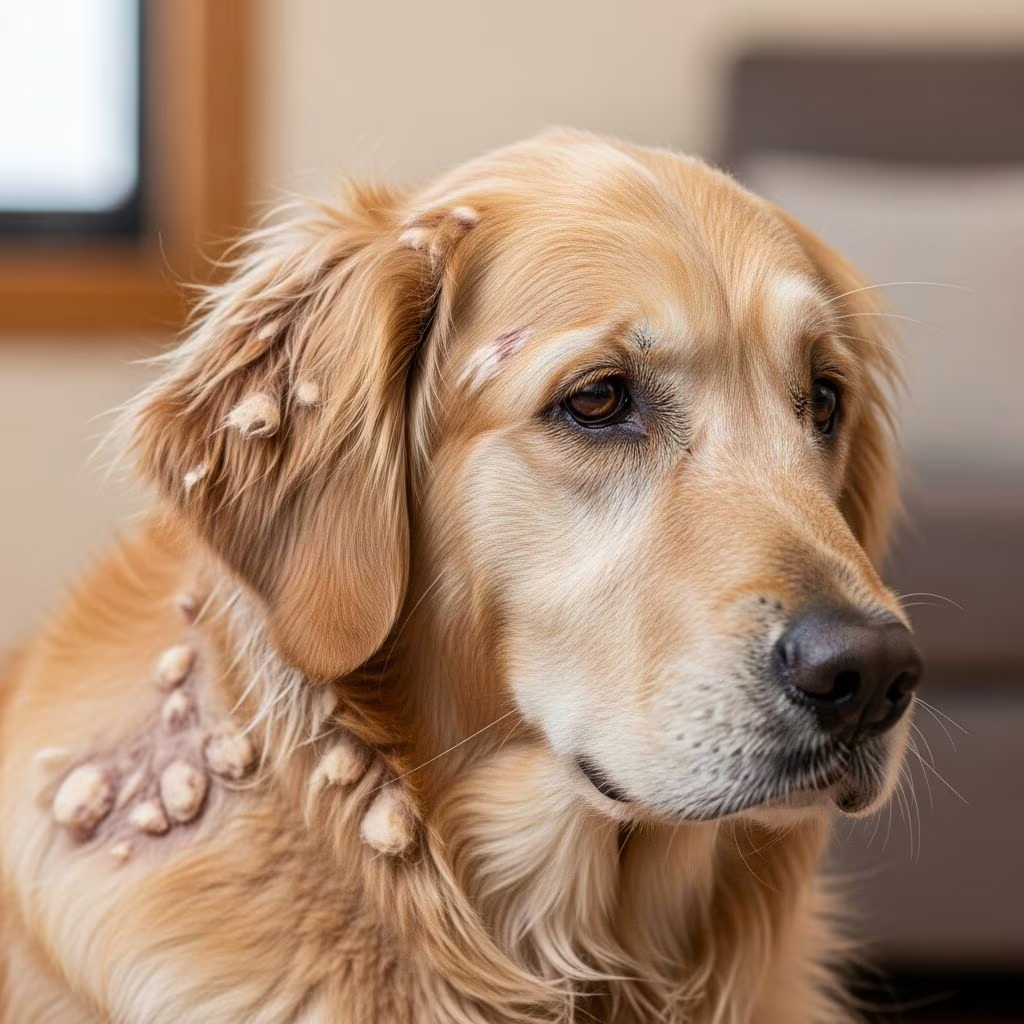
Understanding Seborrhea in Dogs
Seborrhea is a common skin condition in dogs that affects the production of keratin in the outer layer of the skin, hair follicles, and nails. This condition causes excessive flaking, scaling, and can result in an oily or dry coat along with a potentially unpleasant odor. Seborrhea typically manifests in areas rich in sebaceous glands, particularly along the back, neck, and around the claws. Understanding this condition is essential for pet owners, as it requires proper diagnosis and ongoing management to keep affected dogs comfortable.
The condition is characterized by abnormal skin cell turnover and sebum production, leading to the accumulation of dead skin cells and excess oils on the skin surface. When left untreated, seborrhea can significantly impact a dog’s quality of life, leading to discomfort, itching, and secondary infections that further complicate the condition.
Types of Seborrhea: Primary vs. Secondary
Veterinarians classify seborrhea into two distinct categories: primary seborrhea and secondary seborrhea. Understanding the difference between these types is crucial for determining the appropriate treatment approach and predicting long-term outcomes.
Primary Seborrhea
Primary seborrhea is an inherited condition that occurs without an identifiable underlying cause. This form of seborrhea is not curable and requires lifelong management. Dogs with primary seborrhea will need continuous care to reduce keratin buildup and minimize the risk of bacterial pyoderma or yeast infections. The severity of primary seborrhea varies among affected dogs, but most cases respond well to treatment, though recurrent flare-ups requiring ongoing therapy are common.
Secondary Seborrhea
Secondary seborrhea is caused by an underlying medical condition or environmental factor. Unlike primary seborrhea, secondary seborrhea may be treatable or manageable once the underlying cause is identified and addressed. Common causes of secondary seborrhea include:
- Hormonal imbalances such as thyroid disease and Cushing’s disease
- Skin allergies and food allergies
- Parasitic infections including fleas, ticks, and mange mites
- Fungal infections, particularly yeast skin infections caused by Malassezia
- Bacterial skin infections
- Dietary abnormalities, particularly diets low in omega-3 fatty acids
- Environmental factors such as temperature and humidity changes
- Obesity or musculoskeletal disease preventing proper grooming
Seborrhea Forms: Dry vs. Oily
Seborrhea presents in two distinct forms, each with characteristic symptoms and management requirements.
Seborrhea Sicca (Dry Form)
Dry seborrhea, known as seborrhea sicca, is characterized by excessive scaling and flaking of the skin. Dogs with this form typically have visible dandruff or dry, flaky patches on their skin and fur. The skin may appear dull and brittle, and affected dogs often experience itching and discomfort.
Seborrhea Oleosa (Oily Form)
Oily seborrhea, or seborrhea oleosa, presents with greasy or excessively oily skin and coat. Dogs with this form often have a distinctive musty odor and may appear unkempt despite grooming efforts. The oily buildup can create an environment favorable for secondary bacterial and yeast infections.
Clinical Signs and Symptoms
Recognizing the clinical signs of seborrhea is important for early detection and intervention. Dogs with seborrhea may present with various symptoms depending on the type and severity of the condition.
Common clinical manifestations include dry or oily, flaky skin often localized to the back, neck, and areas around the claws. As the condition progresses, damage to the skin can lead to overgrowth of yeast and bacteria, resulting in red, itchy skin particularly in areas of skin folds such as armpits, groin, feet, and lips. Additional signs may include:
- Excessive itching and scratching
- Hair loss or thinning coat
- Redness or inflammation of affected areas
- Unpleasant odor from the skin or coat
- Visible scaling or crusty patches
- Greasy residue on bedding or furniture
Diagnosis of Seborrhea
Proper diagnosis is essential for determining whether a dog has primary or secondary seborrhea and identifying any underlying causes. A thorough veterinary examination typically includes multiple diagnostic tools and tests.
The diagnostic process involves a comprehensive physical examination combined with specialized testing procedures. Your veterinarian may recommend:
- Skin scrapings to identify parasites and examine skin cells
- Cytology to check for bacterial or yeast infections
- Skin biopsies for definitive diagnosis and to identify immune-mediated diseases
- Blood work to exclude systemic diseases and endocrine disorders
- Skin cultures to identify specific pathogens
- Food trials to rule out food allergies
- Parasitic medication trials for difficult-to-identify parasites
If no underlying cause can be identified after thorough investigation, a diagnosis of primary or idiopathic seborrhea is made.
Treatment Approaches for Seborrhea
Treatment strategies for seborrhea vary depending on whether the condition is primary or secondary, and focus on both symptom management and addressing underlying causes.
Treatment of Secondary Seborrhea
When secondary seborrhea is diagnosed, treatment is aimed primarily at the underlying cause. Once the underlying condition is successfully treated, the seborrhea should resolve within a few months. Treatment approaches for specific underlying conditions include:
Hypothyroidism: Dogs with hypothyroidism are treated with hormone replacement therapy using levothyroxine, which must be taken for life.
Cushing’s Disease: Treatment involves lifelong medication such as Vetoryl to manage hormonal imbalances.
Infections: Bacterial infections are typically treated with oral antibiotics such as Cephalosporins for 3 to 4 weeks. Fungal infections, particularly Malassezia yeast infections, are treated with antifungal medications such as itraconazole for similar durations.
Allergies: Management of allergic conditions may involve dietary modifications, antihistamines, or immunosuppressive medications depending on the allergy type.
Treatment of Primary Seborrhea
Since primary seborrhea has no specific cure, treatment focuses on symptom management and preventing secondary complications. Symptomatic treatment includes:
- Frequent bathing with medicated anti-seborrheic shampoos containing keratolytic agents
- Omega-3 fatty acid supplementation to support skin health
- Retinoid medications to normalize skin cell turnover
- Corticosteroids to reduce inflammation
- Oral cyclosporine (Atopica®) for severe cases
- Dietary modifications to ensure balanced nutrition
Medicated Shampoo Protocols
Medicated shampoos are a cornerstone of seborrhea management, particularly for primary seborrhea. Dogs with primary seborrhea typically require frequent bathing, usually 1 to 2 times per week initially with medicated keratolytic shampoos. These specialized shampoos contain active ingredients such as coal tar, sulfur, salicylic acid, selenium sulfide, phytosphingosine, and benzoyl peroxide.
For secondary bacterial or fungal infections, medicated shampoos containing antibacterial or antifungal agents such as chlorhexidine, ketoconazole, or miconazole may be prescribed. The shampooing process should pay special attention to skin fold areas where bacteria and yeast thrive.
Beyond medicated baths, regular ear cleaning every 2 to 3 days with a medicated ear cleaner may be necessary, as these areas are particularly prone to secondary infections.
Additional Management Strategies
Beyond medications and medicated shampoos, several supportive measures can help manage seborrhea effectively:
- Regular hair brushing to remove dead hair and skin cells
- Omega-3 fatty acid supplements to support skin barrier function and reduce inflammation
- A healthy, well-balanced diet with awareness of potential food allergies
- Spot-on anti-seborrheic products applied weekly to regulate skin turnover
- Environmental control to minimize humidity and temperature fluctuations
- Weight management to ensure dogs can groom properly
- Routine veterinary visits for monitoring and adjusting treatment plans
Prognosis and Long-Term Outlook
The prognosis for seborrhea depends significantly on whether the condition is primary or secondary. Dogs with secondary seborrhea may experience complete resolution once the underlying cause is successfully treated, though some conditions like allergies are more persistent and require ongoing management.
For primary seborrhea, while most cases respond well to treatment, the condition is not curable and requires lifelong management. Flare-ups are common and may require temporary intensification of treatment protocols. The severity and frequency of flare-ups vary among individual dogs, with some experiencing mild, manageable symptoms and others requiring more intensive intervention.
Frequently Asked Questions
Q: Can seborrhea in dogs be cured?
A: Primary seborrhea cannot be cured as it is an inherited condition requiring lifelong management. Secondary seborrhea may be resolved by treating the underlying cause, such as thyroid disease or food allergies.
Q: How often should I bathe my dog with seborrhea?
A: Dogs with primary seborrhea typically require frequent bathing with medicated shampoos, starting at 1 to 2 times per week. Your veterinarian can adjust the frequency based on your dog’s response to treatment.
Q: What ingredients should I look for in anti-seborrheic shampoos?
A: Effective anti-seborrheic shampoos contain keratolytic agents such as coal tar, sulfur, and salicylic acid for dry seborrhea, or antibacterial agents like chlorhexidine and ketoconazole for secondary infections.
Q: Can diet help manage seborrhea?
A: Yes, dietary modifications can help manage seborrhea, particularly adding omega-3 fatty acid supplements which support skin health and reduce inflammation. Ensure your dog receives a balanced diet and rule out food allergies.
Q: How long does it take to see improvement in secondary seborrhea?
A: Once the underlying cause of secondary seborrhea is treated, the skin condition should improve within a few months as the skin normalizes and secondary infections resolve.
Q: Are there home remedies for seborrhea?
A: While medicated anti-seborrheic shampoos and weekly lukewarm baths may help reduce symptoms, secondary seborrhea will return unless the underlying disease is addressed. Always consult with your veterinarian before trying home treatments.
Q: What should I do if my dog develops secondary infections from seborrhea?
A: Secondary infections require prompt veterinary treatment. Bacterial infections are treated with oral antibiotics for 3 to 4 weeks, while fungal infections require antifungal medications. Your veterinarian may recommend specific medicated shampoos containing antibacterial or antifungal agents.
References
- Seborrhea in Dogs — Vetster. 2025. https://vetster.com/en/conditions/dog/seborrhea
- Seborrhea in Dogs | VCA Animal Hospitals — VCA Animal Hospitals. 2025. https://vcahospitals.com/know-your-pet/seborrhea-in-dogs
- Seborrhea in Dogs: Symptoms and Treatment — PetMD. 2025. https://www.petmd.com/dog/conditions/skin/c_dg_canine_seborrhea
- Canine Seborrhea: Symptoms, Causes & Solutions — Lavengel. 2025. https://lavengel.com/pages/skin-issues-seborrhea
- Seborrhea in Dogs – Dog Owners — MSD Veterinary Manual. 2025. https://www.msdvetmanual.com/dog-owners/skin-disorders-of-dogs/seborrhea-in-dogs
- Seborrhea in Dogs: Signs, Symptoms, Treatment — American Kennel Club. 2025. https://www.akc.org/expert-advice/health/seborrhea-in-dogs/



