

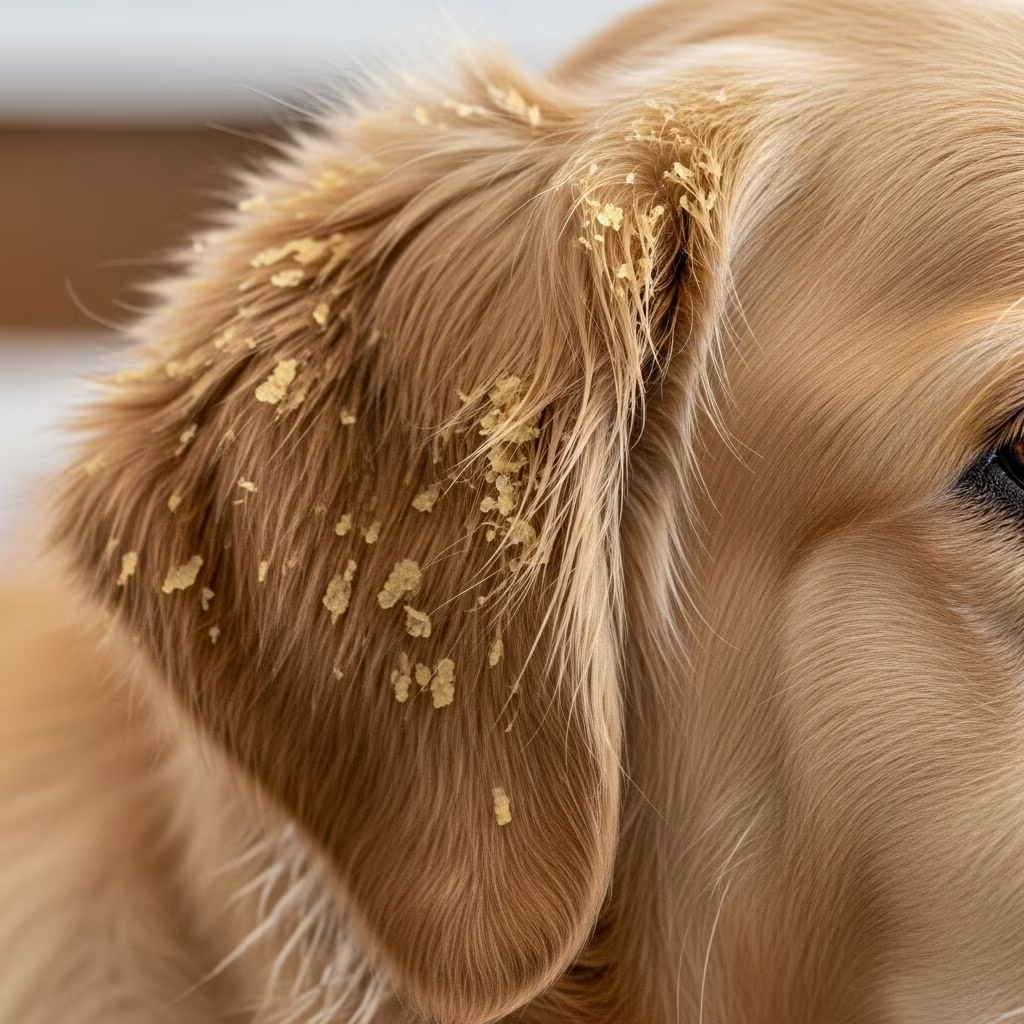
Understanding Seborrhea in Dogs
Seborrhea is a common skin condition affecting dogs that disrupts the normal keratinization process in the outer layer of the skin, hair follicles, and nails. This condition results in excessive scaling, flaking, and often an unpleasant odor. While seborrhea itself is not typically painful, it represents a persistent and recurrent disease that can damage the skin barrier and significantly impact your dog’s quality of life. Understanding this condition is essential for dog owners, as early recognition and appropriate management can prevent complications and keep your pet comfortable.
The condition manifests in different forms, and veterinarians classify seborrhea into distinct categories based on its origin and presentation. Most dogs with seborrheic dermatitis present with a combination of both dry and oily seborrhea, making diagnosis and treatment more complex. The severity can range from mild flaking barely noticeable to the naked eye to severe scaling that covers large portions of the body.
Types of Seborrhea
Seborrhea in dogs is classified into two primary categories based on its underlying cause and presentation characteristics. Understanding these distinctions is crucial for determining the appropriate treatment approach.
Primary Seborrhea
Primary seborrhea, also known as idiopathic seborrhea, is an inherited genetic condition that represents a true keratinization disorder. This form is relatively rare compared to secondary seborrhea and is characterized by scaling skin with or without greasy hair. Unlike secondary seborrhea, primary seborrhea is not typically pruritic, meaning the dog does not experience significant itching. Since this condition is genetic and lifelong, there is currently no cure available. Instead, management focuses on controlling symptoms and preventing secondary infections throughout the dog’s life.
Secondary Seborrhea
Secondary seborrhea is far more common than the primary form and develops as a result of underlying medical conditions or environmental factors. When the underlying cause is identified and treated, secondary seborrhea typically resolves within a few months. This form of seborrhea serves as a clinical sign that something else requires attention within your dog’s body.
Underlying Causes of Secondary Seborrhea
Secondary seborrhea can develop from numerous underlying conditions. Identifying and addressing the root cause is essential for effective treatment. Common causes include:
- Hormonal imbalances: Thyroid disease and Cushing’s disease are frequent culprits
- Allergies: Food allergies and environmental allergies often trigger seborrheic symptoms
- Parasites: Fleas, ticks, and mange mites can cause seborrhea
- Fungal infections: Yeast skin infections, particularly Malassezia, frequently develop alongside seborrhea
- Bacterial infections: Secondary bacterial skin infections commonly complicate the condition
- Dietary abnormalities: Diets deficient in omega-3 fatty acids contribute to skin problems
- Environmental factors: Changes in temperature and humidity can exacerbate seborrhea
- Obesity or musculoskeletal disease: Conditions preventing proper grooming facilitate seborrhea development
Forms of Seborrhea Presentation
Seborrhea presents in two distinct clinical forms, each with characteristic signs and symptoms:
Seborrhea Sicca (Dry Seborrhea)
Dry seborrhea is characterized by visible flakes or dandruff on the skin and fur. The skin appears dry and may crack easily, and affected dogs often have brittle hair coats. This form typically causes less odor than oily seborrhea but still significantly impacts skin health.
Seborrhea Oleosa (Oily Seborrhea)
Oily seborrhea produces a greasy or oily coat with scales. This form is often accompanied by a distinctive, unpleasant smell that can be quite noticeable. The dog’s fur may appear matted or clumped together due to the excessive oil production.
Recognizing Symptoms
Dog owners should remain vigilant for the following signs that may indicate seborrhea:
- Visible flakes or dandruff throughout the coat
- Dry, flaky skin that may crack or bleed
- Oily or greasy skin and coat
- A distinctive, often unpleasant odor emanating from the skin or coat
- Itching and scratching, particularly if secondary infections are present
- Redness of the skin
- Hair loss in affected areas
- Scaling along the back, neck, and around the claws
- Chronic or recurrent ear infections
Symptoms may appear periodically or persist continuously, depending on whether the seborrhea is primary or secondary and whether underlying conditions are being managed. Some dogs experience seasonal flare-ups, while others deal with year-round symptoms.
Diagnosis of Seborrhea
Proper diagnosis requires a thorough veterinary examination to determine whether your dog has primary or secondary seborrhea. Your veterinarian will perform several diagnostic procedures, which may include:
- Skin scrapes: The vet gently scrapes the skin surface to examine cells microscopically
- Skin biopsies: Small tissue samples are collected for histopathological examination
- Blood tests: Laboratory work helps identify hormonal imbalances and other systemic conditions
- Cytology: Microscopic examination of cells to identify yeast or bacterial infections
- Culture and sensitivity testing: Determines specific bacteria or fungi present and appropriate medications
A comprehensive medical history is also essential. Your veterinarian will ask about diet, environmental changes, medication history, and whether other family members or pets are experiencing similar issues. This information helps distinguish between primary and secondary seborrhea.
Treatment Approaches
Treatment strategies depend significantly on whether the seborrhea is primary or secondary. The primary treatment goal for secondary seborrhea is identifying and addressing the underlying cause. However, symptomatic management is often necessary while the underlying condition is being treated and resolved.
Treatment of Underlying Conditions
When secondary seborrhea is identified, treating the root cause is paramount:
Hypothyroidism: Dogs with hypothyroidism require lifelong hormone replacement therapy using levothyroxine, an oral medication that must be taken daily. Regular blood tests monitor appropriate dosing levels.
Cushing’s Disease: Treatment involves lifelong medication such as Vetoryl, which requires ongoing veterinary monitoring and blood work to ensure proper management.
Allergies: Management includes identifying and avoiding allergens, using antihistamines, and potentially administering immunotherapy or other allergy medications.
Parasites: Appropriate antiparasitic medications eliminate fleas, ticks, or mites causing the seborrhea.
Infections: If bacterial infections develop secondary to seborrhea, oral antibiotics such as Cephalosporins are prescribed for typically 3 to 4 weeks. Fungal infections require antifungal medications like itraconazole for similar durations.
Symptomatic Management
Regardless of whether seborrhea is primary or secondary, symptomatic treatments help manage clinical signs:
Medicated Shampoos: Anti-seborrheic shampoos are fundamental to treatment. These shampoos contain active ingredients such as coal tar, sulfur, salicylic acid, chlorhexidine, ketoconazole, or miconazole. Initial treatment typically involves bathing every 2 to 3 days, with the shampoo left on the skin for 5 to 10 minutes to allow proper contact time. As your dog’s condition improves, frequency typically reduces to once or twice weekly for maintenance.
Topical Treatments: Ointments, creams, and spot-on anti-seborrheic products help soothe irritated skin and regulate sebum production. Soothing hot spot ointments such as Silver Honey can provide additional relief. These spot-on products typically contain ingredients that help normalize skin cell turnover and lipid production and are applied directly to the skin once weekly.
Omega-3 Fatty Acid Supplements: Adding omega-3 supplements to your dog’s diet can decrease inflammation in certain cases of secondary seborrhea and help moisturize the skin barrier in cases of dry seborrhea. Always consult your veterinarian before introducing supplements.
Dietary Modifications: Ensuring your dog receives a healthy, well-balanced diet with adequate omega-3 fatty acids is essential. Your veterinarian may recommend specific therapeutic diets or adjustments to address nutritional deficiencies contributing to skin problems.
Corticosteroids: In some cases, corticosteroids may be prescribed to reduce inflammation and itching associated with seborrhea.
Retinoids: Vitamin A derivatives or retinoid medications may be recommended to normalize keratinization processes in the skin.
Oral Cyclosporine: For cases not responding to other treatments, oral cyclosporine (Atopica) may be prescribed. This immunosuppressant medication helps control inflammation and pruritus.
Ear Care
Dogs with seborrhea frequently experience ear involvement. Regular ear cleaning every 2 to 3 days with medicated ear cleaner may be necessary, particularly during initial treatment phases. Consistent ear maintenance helps prevent secondary infections in this vulnerable area.
Long-Term Management
Managing seborrhea successfully requires establishing a consistent, lifelong routine. With proper care and veterinary oversight, dogs with seborrhea can maintain good quality of life. Routine management includes:
- Regular bathing with appropriate anti-seborrheic shampoo (frequency determined by your veterinarian)
- Consistent ear cleaning and maintenance
- Daily brushing to remove dead hair and skin
- Ongoing omega-3 supplementation
- Feeding a high-quality, well-balanced diet
- Regular veterinary check-ups
- Monitoring for signs of infection or worsening symptoms
If your dog becomes itchier or develops skin lesions, schedule an appointment with your veterinarian as soon as possible. Early intervention prevents complications and maintains skin health.
Can Seborrhea Be Cured?
The prognosis for seborrhea depends on its type. Primary seborrhea is genetic and lifelong with no cure available. However, many cases of secondary seborrhea caused by curable conditions, such as parasite infestation, can be completely resolved once the underlying cause is treated. Other secondary causes, like allergies or endocrine diseases, are chronic conditions requiring lifelong management. In these cases, emphasis focuses on controlling the underlying disease so seborrheic clinical signs disappear.
When to Contact Your Veterinarian
Contact your veterinarian if you notice:
- Excessive flaking, scaling, or oiliness on your dog’s skin or coat
- An unpleasant odor from your dog’s skin
- Increased scratching or signs of discomfort
- Skin lesions, sores, or open wounds
- Redness or inflammation
- Chronic ear infections or discharge
- Hair loss or bald patches
- Worsening symptoms despite treatment
Frequently Asked Questions
Q: Is seborrhea painful for dogs?
A: While seborrhea itself is not inherently painful, secondary complications like infections or intense itching can cause discomfort. Dogs with seborrhea may experience itching, especially when secondary infections are present.
Q: Can I treat seborrhea at home?
A: While certain at-home treatments like medicated shampoos (with veterinary approval) and omega-3 supplements can help manage symptoms, secondary seborrhea will likely return unless the underlying disease is addressed. Always consult your veterinarian before starting any treatment regimen.
Q: How long does treatment take?
A: Secondary seborrhea typically resolves within a few months once the underlying cause is treated. Primary seborrhea requires lifelong management. The timeline varies based on the individual dog and the specific underlying condition.
Q: Is seborrhea contagious?
A: Seborrhea itself is not contagious between dogs. However, if secondary infections like yeast or bacteria are present, these may potentially spread under certain circumstances.
Q: What breeds are prone to seborrhea?
A: While any dog breed can develop secondary seborrhea, certain breeds may have genetic predispositions to primary seborrhea. Your veterinarian can discuss breed-specific risks and recommendations.
References
- Seborrhea in Pets: Symptoms, Diagnosis, and Treatment — Mission Veterinary Clinic. Accessed 2025-11-28. https://missionvet.com/seborrhea-in-pets/
- Seborrhea in Dogs: Symptoms and Treatment — PetMD. Accessed 2025-11-28. https://www.petmd.com/dog/conditions/skin/c_dg_canine_seborrhea
- Seborrhea in Dogs — VCA Animal Hospitals. Accessed 2025-11-28. https://vcahospitals.com/know-your-pet/seborrhea-in-dogs
- Seborrhea in Animals — Integumentary System — Merck Veterinary Manual. Accessed 2025-11-28. https://www.merckvetmanual.com/integumentary-system/seborrhea/seborrhea-in-animals
- Seborrhea in Dogs: Signs, Symptoms, Treatment — American Kennel Club. Accessed 2025-11-28. https://www.akc.org/expert-advice/health/seborrhea-in-dogs/
- Seborrhea in Dogs — MSD Veterinary Manual. Accessed 2025-11-28. https://www.msdvetmanual.com/dog-owners/skin-disorders-of-dogs/seborrhea-in-dogs
- Canine Seborrhea: Symptoms, Causes & Solutions — Lavengel. Accessed 2025-11-28. https://lavengel.com/pages/skin-issues-seborrhea



