

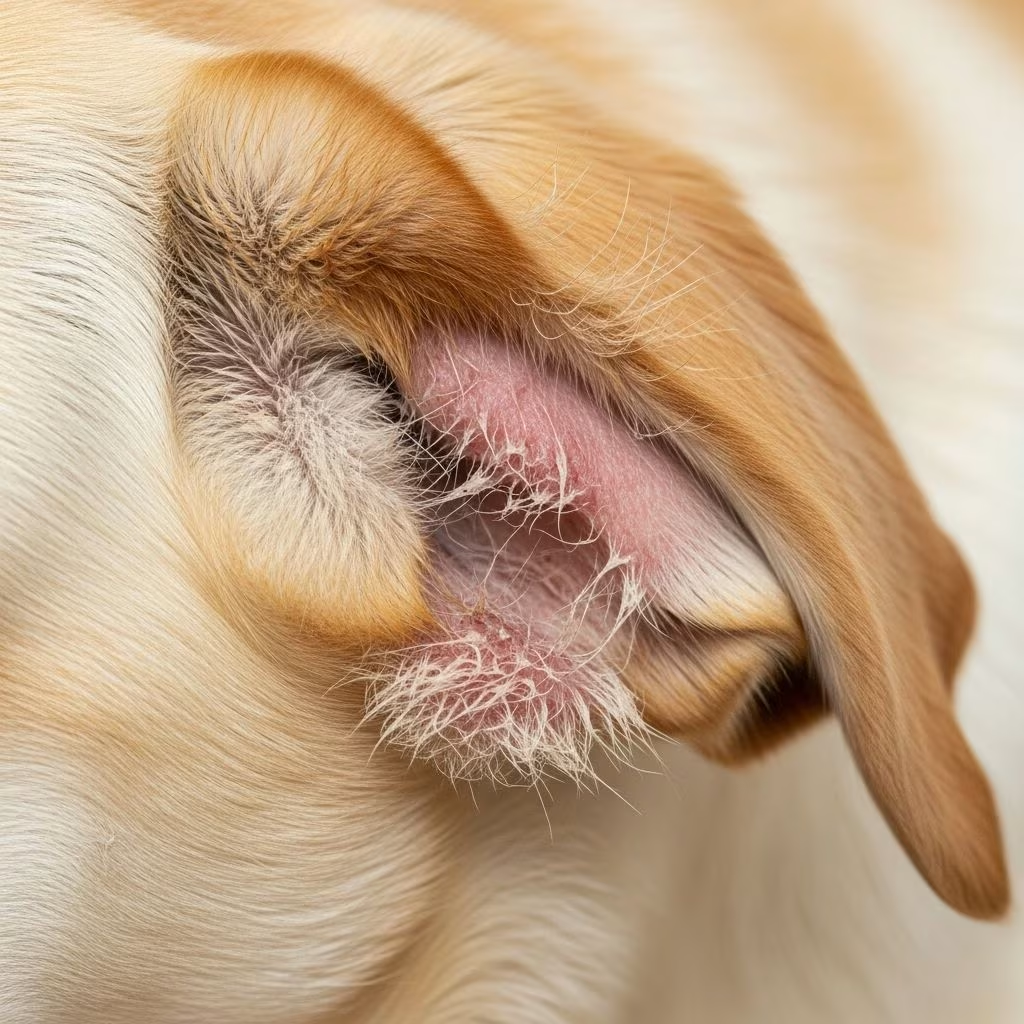
Seborrhea represents a prevalent skin disorder in canines, marked by irregular skin cell growth leading to flakes, oil buildup, and discomfort. This condition splits into primary and secondary forms, each demanding distinct approaches for control. Owners often notice changes in coat texture and odor first, prompting veterinary consultation for accurate diagnosis and care plans.
Recognizing the Signs of Canine Seborrhea
Dogs with seborrhea display noticeable alterations in their skin and fur. Common indicators include excessive dandruff-like flakes, a greasy or overly dry coat, and a persistent unpleasant smell emanating from the skin. Affected areas may show crusting, scaling, or inflammation, particularly around the ears, back, and belly. Itching varies; primary cases rarely itch, while secondary ones often do due to infections.
- White or yellowish scales resembling dandruff across the body
- Oily fur that mats or feels sticky to the touch
- Heavy shedding beyond normal seasonal patterns
- Ear wax buildup and debris
- Redness or pus-filled spots from secondary bacterial issues
These symptoms can intensify without intervention, leading to self-trauma from scratching or worsened infections. Early detection through regular grooming helps identify issues before they escalate.
Primary vs. Secondary Seborrhea: Key Differences
Primary seborrhea stems from genetic defects in keratinization, the process where skin cells mature and shed. It manifests early, typically before age two, and persists lifelong without a cure. Breeds like West Highland White Terriers, English Springer Spaniels, and Cocker Spaniels show higher susceptibility.
Secondary seborrhea arises from treatable underlying problems, making it more common in adult dogs. Once the root cause resolves, symptoms often subside.
| Type | Onset | Causes | Itch Level | Treatability |
|---|---|---|---|---|
| Primary | Birth to 2 years | Genetic keratin defect | Low/none | Symptom management only |
| Secondary | Any age | Allergies, hormones, infections | Often high | High if cause treated |
Common Triggers Behind Secondary Seborrhea
Multiple factors can provoke secondary seborrhea, requiring thorough veterinary diagnostics like skin scrapings, biopsies, or blood tests. Hormonal imbalances top the list, including hypothyroidism treated with lifelong levothyroxine and Cushing’s disease managed via Vetoryl.
Allergies to food, environment, or fleas exacerbate skin oiliness and flaking. Parasites such as mites, lice, or fleas demand targeted preventatives. Nutritional gaps, notably in omega-3s, zinc, or vitamin A, contribute, correctable through diet adjustments. Infections from bacteria or Malassezia yeast thrive in disrupted skin barriers. Environmental stressors like dry air worsen dryness.
Diagnostic Approaches for Accurate Identification
Veterinarians start with a physical exam, noting coat condition and lesion patterns. Skin cytology reveals yeast or bacteria, while scrapings detect parasites. Bloodwork screens for hormonal issues, and biopsies confirm keratinization defects or cancer. Allergy trials involve hypoallergenic diets for 8-12 weeks. Ruling out primaries guides secondary-focused therapies.
Treatment Strategies for Effective Relief
Managing seborrhea prioritizes symptom control alongside cause-specific interventions. Frequent medicated baths form the cornerstone, using shampoos with salicylic acid, sulfur, coal tar, or benzoyl peroxide to dissolve scales and reduce oil. Bath every 2-3 days initially, tapering to weekly maintenance.
For infections, oral antibiotics like cephalexin or antifungals such as itraconazole clear secondary invaders over 3-4 weeks. Emollients with lactic acid or oils post-bath hydrate skin.
Addressing Specific Underlying Conditions
- Hormonal: Daily levothyroxine for hypothyroidism; Vetoryl for Cushing’s
- Diabetes: Insulin injections
- Parasites: Topical sprays, oral meds, monthly flea preventatives
- Allergies: Elimination diets, environmental controls, testing
- Nutrition: Supplements with omega-3, zinc, vitamin A
Primary cases demand ongoing regimens: weekly baths, ear cleanings every 2-3 days, and grooming to prevent buildup.
Home Care Tips to Support Veterinary Treatment
Owners play a vital role in daily management. Brush regularly to remove debris, use hypoallergenic wipes for spot cleaning, and maintain humidity to combat dry seborrhea. Feed high-quality diets rich in essential fatty acids. Monitor for flare-ups and adhere to bath schedules. Avoid over-bathing with human products, which strip natural oils.
| Product Type | Ingredients | Frequency | Purpose |
|---|---|---|---|
| Keratolytic Shampoo | Salicylic acid, sulfur | 2-3x/week initial | Scale removal |
| Antibacterial | Chlorhexidine, miconazole | As prescribed | Infection control |
| Emollient Spray | Lactic acid, oils | Daily post-bath | Hydration |
Preventing Complications and Flare-Ups
Consistent care minimizes risks like pyoderma or chronic otitis. Vaccinate against fleas, rotate shampoos to prevent resistance, and schedule bi-annual vet checks. For primaries, lifelong commitment ensures comfort; secondaries often improve dramatically post-treatment.
FAQs on Seborrhea in Dogs
What breeds are prone to primary seborrhea?
Common in terriers, spaniels, and retrievers due to genetic predisposition.
Is seborrhea contagious?
No, it’s not transmissible between dogs or to humans.
How long until treatments show results?
Improvement in 2-4 weeks with baths; full control varies by cause.
Can diet alone fix seborrhea?
Not for primaries, but nutritional tweaks aid secondaries.
When to seek emergency care?
If severe infection, lethargy, or non-stop scratching occurs.
Long-Term Outlook and Prognosis
Primary seborrhea requires perpetual management but allows good quality of life with diligence. Secondary forms boast excellent prognoses upon cause resolution, often resolving fully. Collaborate with vets or dermatologists for tailored plans, adapting as needs evolve with age or seasons.
References
- Seborrhea in Dogs: Symptoms, Treatment, And Cost — Safari Veterinary Care Centers. 2023. https://www.safarivet.com/blog/seborrhea-in-dogs-symptoms-treatment-and-cost/
- Seborrhea in Dogs: Symptoms and Treatment — PetMD. 2024. https://www.petmd.com/dog/conditions/skin/c_dg_canine_seborrhea
- Canine Seborrhea: Symptoms, Causes & Solutions — Lavengel. 2023. https://lavengel.com/pages/skin-issues-seborrhea
- Seborrhea in Animals — MSD Veterinary Manual. 2025. https://www.msdvetmanual.com/integumentary-system/seborrhea/seborrhea-in-animals
- Seborrhea in Dogs — Merck Veterinary Manual. 2025. https://www.merckvetmanual.com/dog-owners/skin-disorders-of-dogs/seborrhea-in-dogs
- Seborrhea in Dogs — VCA Animal Hospitals. 2024. https://vcahospitals.com/know-your-pet/seborrhea-in-dogs



