

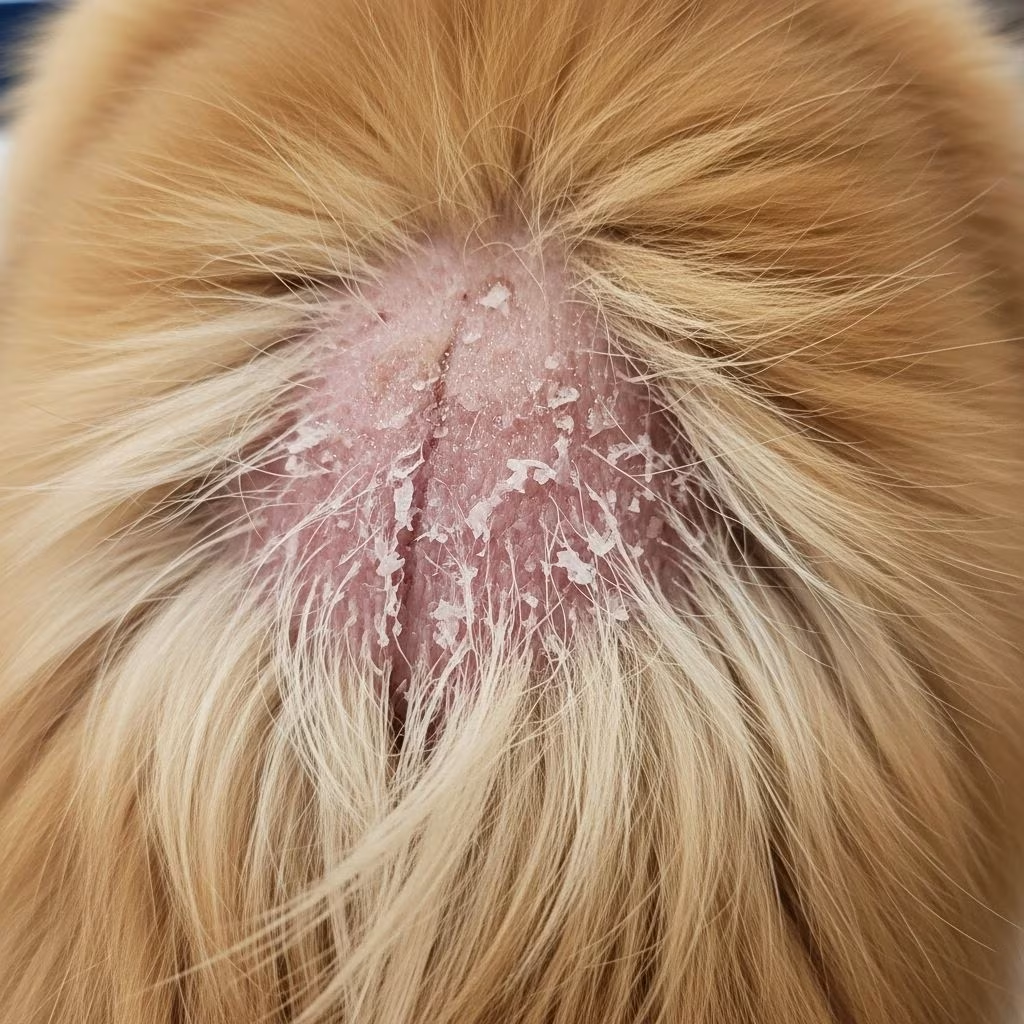
Seborrhea represents one of the most frequently encountered dermatological issues in canines, characterized by abnormal skin cell production leading to scales, greasiness, and discomfort. This condition disrupts the normal keratinization process, where the outer skin layer fails to renew properly, resulting in either excessively dry or oily appearances—or often both. While not typically life-threatening, untreated seborrhea can lead to secondary infections, persistent odor, and reduced quality of life for affected dogs. Early recognition and intervention are crucial for managing symptoms effectively.
Recognizing the Signs of Seborrhea
Dogs with seborrhea exhibit a range of visible and tactile symptoms that owners can spot during routine grooming or petting. The primary manifestations include widespread flaking akin to dandruff, which often accumulates on bedding, furniture, or the dog’s back. Skin may feel abnormally dry and brittle or excessively greasy with a waxy buildup, particularly in sebaceous gland-rich areas like the spine, face, ears, and limbs. A distinctive musty odor frequently accompanies these changes, intensifying if bacterial or yeast overgrowth occurs.
Common symptoms include:
- Dry, dull coat with heavy scaling
- Oily, foul-smelling skin
- Crusty lesions and plaques on the body
- Excessive ear wax and debris
- Mild to intense itching, especially in secondary cases
- Redness and inflammation in skin folds (e.g., armpits, paws, tail base)
In mild instances, changes might be subtle, but progression often worsens affected areas, leading to hair loss and thickened skin. Itchiness is not inherent to primary seborrhea but arises from complications like infections.
Primary vs. Secondary Seborrhea: Key Differences
Seborrhea manifests in two distinct forms: primary (inherited) and secondary (acquired). Primary seborrhea stems from genetic defects in skin cell turnover, appearing in puppyhood or young adulthood and persisting lifelong. It manifests as seborrhea sicca (dry flakes) or seborrhea oleosa (oily scales), or a mix, without itch unless complicated.
Secondary seborrhea, far more prevalent, arises from underlying health issues impairing skin function. Identifying and treating the root cause is essential for resolution. The table below compares the two:
| Aspect | Primary Seborrhea | Secondary Seborrhea |
|---|---|---|
| Onset | Before 2 years old | Any age |
| Cause | Genetic/breed predisposition | Underlying disease or trigger |
| Progression | Worsens over time | Resolves with cause treatment |
| Itch Level | Low unless infected | Often high due to infections |
Breeds Most Susceptible to Seborrhea
Certain breeds carry a higher genetic risk for primary seborrhea due to inherited keratinization flaws. These include West Highland White Terriers, American and English Cocker Spaniels, Basset Hounds, Dachshunds, Labrador Retrievers, Golden Retrievers, and German Shepherds. Family history often plays a role, with symptoms emerging before 18-24 months.
- High-risk breeds: Cocker Spaniels, Westies, Basset Hounds
- Moderate risk: Dachshunds, Labs, Goldens
- Any breed can develop secondary forms.
Owners of predisposed breeds should monitor skin health closely from an early age.
Unraveling the Causes Behind Seborrhea
Primary seborrhea results from faulty sebaceous glands overproducing or underproducing sebum, the skin’s natural oil. For secondary cases, multiple triggers disrupt the skin barrier:
- Hormonal imbalances: Hypothyroidism (underactive thyroid) or Cushing’s disease (adrenal overactivity)
- Allergies: Environmental (pollen, dust), food sensitivities, or flea-related
- Infections: Bacterial, yeast (Malassezia), or fungal overgrowth thriving on altered skin
- Parasites: Fleas, mites (mange), ticks
- Nutritional deficits: Low omega-3s, zinc, or vitamin A responsive types
- Other factors: Obesity limiting grooming, autoimmune diseases (sebaceous adenitis, lupus), diabetes, cancers like epitheliotropic lymphoma, or environmental stressors like dry air
Idiopathic cases occur when no clear cause is found after thorough investigation.
How Veterinarians Diagnose Seborrhea
Diagnosis begins with a detailed history and physical exam, noting skin texture, odor, and distribution. Vets perform skin scrapings, cytology (microscopic exam for bacteria/yeast), fungal cultures, and biopsies for confirmation. Blood tests screen for hormonal issues, allergies, or nutritional gaps. Ruling out secondary causes is paramount before labeling as primary.
Advanced imaging or allergy testing may follow if initial findings are inconclusive.
Treatment Approaches for Lasting Relief
Managing seborrhea requires a multifaceted strategy tailored to type and severity. For primary cases, lifelong care focuses on symptom control:
- Topical therapies: Medicated shampoos with benzoyl peroxide, sulfur, salicylic acid, or chlorhexidine to remove scales and control oil/bacteria. Bathe 1-2 times weekly.
- Moisturizers: Emollients like ceramides or fatty acids to restore barrier function.
- Oral supplements: Omega-3 fatty acids (fish oil), vitamin A, or zinc for specific responsive types.
- Anti-infectives: Antibiotics or antifungals for secondary infections.
Secondary seborrhea treatment targets the underlying issue—e.g., thyroid medication for hypothyroidism, hypoallergenic diets for food allergies, or flea preventives. Regular vet follow-ups ensure adjustments.
Everyday Management Tips for Dog Owners
Support vet-prescribed treatments with home care:
- Use lukewarm water for baths to avoid drying skin.
- Brush regularly to distribute oils and remove flakes.
- Maintain ideal weight to enable self-grooming.
- Choose high-quality diets rich in essential fatty acids.
- Control environment: Humidify dry air, reduce allergens.
- Monitor for flare-ups and report changes promptly.
Consistency yields the best outcomes, often dramatically improving coat quality and comfort.
Potential Complications and Prognosis
Unchecked seborrhea invites secondary bacterial/yeast infections, chronic ear issues, and self-trauma from scratching. Primary forms have guarded prognoses due to incurability, but control is achievable. Secondary types offer excellent prognoses once causes are addressed.
Frequently Asked Questions (FAQs)
Is seborrhea contagious to other dogs or humans?
No, seborrhea itself is not contagious; secondary infections may spread if hygiene lapses.
Can diet alone cure seborrhea?
Diet helps manage symptoms, especially in nutritional cases, but rarely cures alone—vet guidance needed.
How often should I bathe a dog with seborrhea?
Typically weekly with medicated shampoo, but follow vet instructions to prevent over-drying.
Does seborrhea shorten a dog’s lifespan?
No, but unmanaged complications can impact comfort and health.
Are there natural remedies for seborrhea?
Omega-3 supplements and oatmeal baths soothe, but consult a vet before relying solely on them.
References
- Seborrhea in Dogs | VCA Animal Hospitals — VCA Hospitals. Accessed 2026. https://vcahospitals.com/know-your-pet/seborrhea-in-dogs
- Seborrhea in Dogs – Causes, Treatment and Associated Conditions — Vetster. Accessed 2026. https://vetster.com/en/conditions/dog/seborrhea
- Canine Seborrhea: Symptoms, Causes & Solutions — Lavengel. Accessed 2026. https://lavengel.com/pages/skin-issues-seborrhea
- Seborrhea in Dogs: Symptoms and Treatment — PetMD. Accessed 2026. https://www.petmd.com/dog/conditions/skin/c_dg_canine_seborrhea
- Seborrhea in dogs — Douxo. Accessed 2026. https://www.douxo.com/sg_en/your-dog-s-skin/seborrhea
- Seborrhea in Dogs – Dog Owners — Merck Veterinary Manual. Accessed 2026. https://www.merckvetmanual.com/dog-owners/skin-disorders-of-dogs/seborrhea-in-dogs
- Seborrhea in Dogs – Dog Owners — MSD Veterinary Manual. Accessed 2026. https://www.msdvetmanual.com/dog-owners/skin-disorders-of-dogs/seborrhea-in-dogs



