

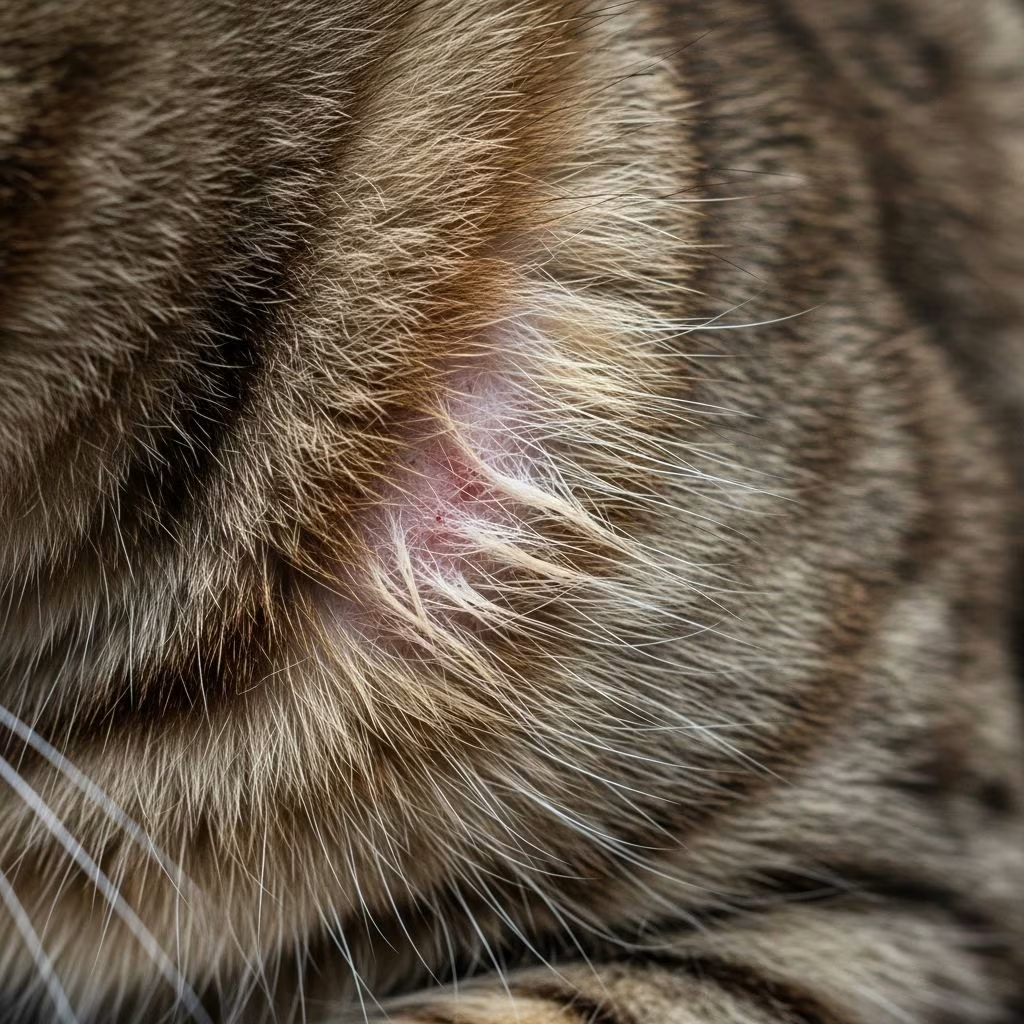
Understanding Seborrhea in Cats
Seborrhea is a common skin condition in cats that involves the overproduction of sebum, an oily substance produced by the skin’s sebaceous glands. This excess sebum leads to buildup, flaking skin, and often an unpleasant odor. Understanding this condition is essential for cat owners, as proper diagnosis and management can significantly improve a cat’s comfort and quality of life. While seborrhea can affect cats of any breed or age, it is particularly prevalent in certain breeds such as Persian cats, where it may be inherited.
The condition manifests in two primary forms: primary (idiopathic) seborrhea, which is genetic and present from birth, and secondary seborrhea, which develops as a symptom of an underlying health condition. Recognizing the differences between these forms and understanding their causes will help pet owners work effectively with their veterinarians to develop appropriate treatment plans.
Clinical Signs of Seborrhea
Seborrhea typically affects the skin areas that are richest in sebaceous glands. In cats, this usually means the skin along the back, though the condition can affect other areas as well. The clinical presentation varies depending on the type of seborrhea present.
The most commonly affected areas include:
– The back and flanks- The face and around the eyes- The neck and lips- Skin folds in the armpits and thighs- The underside of the body and feet- Areas where skin naturally folds
Visible signs of seborrhea may include dandruff-like flakes that can be seen on the cat’s sleeping areas, bedding, or furniture. Some cats develop red and inflamed skin in the affected areas. The texture of the skin lesions may vary, presenting as either dry or oily depending on the type of seborrhea present. The condition is often worse in areas with skin folds, where moisture and heat can exacerbate the problem.
Types of Seborrhea
Seborrhea in cats presents in two distinct forms, each with its own characteristics and manifestations:
Seborrhea Sicca (Dry Seborrhea): This form is characterized by dry, flaky skin that resembles dandruff. Cats with this type experience excessive scaling and may have a dull coat. The skin may feel tight and uncomfortable, potentially leading to increased scratching and irritation.
Seborrhea Oleosa (Oily Seborrhea): This form involves an oily or greasy coat that may appear matted or clumpy. Affected cats often develop an unpleasant, musty odor. The oily buildup can attract dirt and debris, further compromising coat health and appearance.
Many cats experience a combination of both forms, presenting with areas of both dry flaking and oily buildup. Additionally, Persian cats and some other breeds may develop idiopathic facial dermatitis, a specific form of seborrhea where thick, greasy debris accumulates in facial or nasal folds, around the eyes, ears, mouth, and chin.
Causes of Seborrhea in Cats
Understanding the underlying causes of seborrhea is crucial for effective treatment. The condition can originate from genetic factors or develop secondary to various health issues.
Primary Seborrhea
Primary (idiopathic) seborrhea is a genetic condition that is present from birth, though symptoms may not appear immediately. This form is rare in cats overall but is more commonly seen in Persian cats and some other breeds. The exact cause of primary seborrhea is unknown, which is why it is termed “idiopathic.” Unlike secondary seborrhea, genetic seborrhea does not cause itchiness without the presence of secondary skin inflammation from bacterial or fungal infections.
Secondary Seborrhea
Secondary seborrhea is far more common than the primary form and develops as a symptom of an underlying disease or condition. Identifying and treating the underlying cause is essential for resolving secondary seborrhea. Common underlying causes include:
– Parasites: Internal and external parasites such as fleas, ticks, and mites can trigger seborrhea- Fungal infections: Yeast and other fungal infections frequently cause or exacerbate seborrhea- Bacterial infections: Secondary bacterial infections commonly occur alongside seborrhea- Allergies: Food allergies and environmental allergies are significant contributors to secondary seborrhea- Hormonal imbalances: Hyperthyroidism and other endocrine disorders can lead to seborrhea- Dietary abnormalities: Diets lacking adequate omega-3 fatty acids or other essential nutrients may contribute to the condition- Environmental factors: Changes in temperature and humidity can trigger or worsen seborrhea- Obesity or musculoskeletal disease: These conditions may prevent cats from grooming properly, leading to seborrhea- Viral infections: Certain viral infections may be underlying causes
Diagnosis of Seborrhea
Proper diagnosis is the foundation of effective treatment. Veterinarians employ several diagnostic methods to identify seborrhea and determine whether it is primary or secondary in nature.
Physical Examination: The veterinarian will conduct a thorough physical examination of the cat’s skin, noting affected areas, the type and extent of scaling or oiliness, and any signs of inflammation or infection.
Diagnostic Testing: To identify underlying causes of secondary seborrhea, veterinarians may perform:
– Skin scrapings and fungal cultures to detect fungal infections such as ringworm- Bacterial cultures to identify bacterial infections- Parasite screening to detect fleas, ticks, mites, and internal parasites- Allergy testing to identify potential allergens- Thyroid function tests (T4 levels) to screen for hyperthyroidism- Testing for feline immunodeficiency virus (FIV) and feline leukemia virus (FeLV)- A skin biopsy, which is required for definitive diagnosis when underlying diseases have been ruled out
If all other potential causes are eliminated through testing, a diagnosis of primary or idiopathic seborrhea is made.
Treatment Approaches for Seborrhea
Treatment strategies differ significantly depending on whether the cat has primary or secondary seborrhea. However, both forms benefit from similar symptomatic management techniques.
Treatment for Secondary Seborrhea
When seborrhea is secondary to an underlying condition, the primary goal is to identify and treat the underlying cause. Once the causative condition is addressed, seborrhea often resolves or significantly improves. Treatment may include:
– Antibiotics for bacterial infections- Antifungal medications for yeast or fungal infections- Parasite control medications for parasitic infestations- Allergy management and elimination diets- Thyroid medication for hyperthyroidism- Weight management programs for obese cats
Treatment for Primary Seborrhea
Primary seborrhea cannot be cured, as it is a genetic condition. However, symptoms can be effectively managed through various therapeutic approaches. Treatment focuses on controlling the clinical signs and improving the cat’s comfort and quality of life.
Topical Treatments: Anti-seborrheic shampoos and conditioners are fundamental to managing seborrhea. These products help normalize sebum production, reduce dandruff, and soothe irritated skin. Bathing should typically occur two to three times per week initially, with the medicated shampoo gently massaged into the skin for approximately ten minutes. Once the condition is controlled, bathing one to two times weekly is usually sufficient for maintenance.
Nutritional Supplements: Omega-3 fatty acid supplements are highly beneficial for cats with seborrhea, as they help regulate sebum production and support skin health. Vitamin and mineral supplements may also be recommended to ensure adequate nutrition.
Oral Medications: Veterinarians may prescribe several oral medications to manage seborrhea:
– Retinoids (vitamin A derivatives) to regulate skin cell growth and sebum production- Corticosteroids for short-term symptomatic relief, particularly when inflammation is severe- Oral cyclosporine (Atopica) to modulate immune responses and reduce inflammation
Secondary Infection Management: When seborrhea is complicated by secondary bacterial or yeast infections, antibiotics and antifungals become necessary components of treatment. Both topical and oral antimicrobial medications may be used depending on the severity and extent of infection.
Grooming Assistance: For long-haired cats, occasional clipping of affected areas can help manage the condition and prevent matting of oily or flaky coat.
General Management Strategies
Regardless of the type of seborrhea, several general management principles apply:
– Regular monitoring of affected skin areas- Maintaining a consistent grooming routine- Ensuring adequate humidity in the home environment- Providing a balanced diet rich in omega-3 fatty acids- Managing obesity through appropriate diet and exercise- Regular veterinary check-ups to monitor condition progression and treatment effectiveness- Adjusting treatment as needed based on response and seasonal variations
Prognosis and Long-term Outlook
The prognosis for seborrhea in cats varies depending on the type and underlying causes. For secondary seborrhea, the outcome depends entirely on the successful diagnosis and treatment of the underlying condition. In many cases, once the causative condition is treated, seborrhea resolves completely.
For primary seborrhea, while the condition cannot be cured, the prognosis is good with appropriate symptomatic management. Many cats experience significant improvement in symptoms and quality of life when treated consistently with appropriate medications, supplements, and topical therapies. Some cats may require ongoing maintenance therapy throughout their lives, while others may experience periods of remission.
It is important to note that seborrhea is not life-threatening. However, secondary bacterial and fungal infections occurring in conjunction with seborrhea are common and require prompt treatment to prevent complications. With proper veterinary care and consistent management, most cats with seborrhea can live comfortably and enjoy good quality of life.
Frequently Asked Questions
Q: Is seborrhea contagious to other cats?
A: Primary seborrhea is not contagious, as it is a genetic condition. However, if secondary seborrhea is caused by a fungal infection such as ringworm, it can be contagious to other cats and even humans. Secondary bacterial infections are generally not contagious.
Q: Can diet affect seborrhea in cats?
A: Yes, diet plays an important role in skin health. Diets lacking adequate omega-3 fatty acids, protein, or essential vitamins and minerals can contribute to or worsen seborrhea. Feeding a high-quality, balanced diet and providing omega-3 supplementation can help manage the condition.
Q: How often should I bathe my cat with seborrhea?
A: Initially, bathing two to three times per week with medicated shampoo is recommended. Once the condition is under control, maintenance bathing one to two times weekly is usually sufficient. Always use shampoos specifically formulated for seborrhea and gently massage into the skin.
Q: Can environmental factors trigger seborrhea flare-ups?
A: Yes, changes in temperature and humidity can trigger or exacerbate seborrhea symptoms. Maintaining a consistent, comfortable indoor environment and adjusting care during seasonal changes may help minimize flare-ups.
Q: What should I do if my cat has secondary infections with seborrhea?
A: If your cat develops secondary bacterial or fungal infections alongside seborrhea, it is crucial to seek veterinary care promptly. Your veterinarian will prescribe appropriate antibiotics or antifungal medications to treat the infection while continuing seborrhea management.
Q: Are there any side effects to seborrhea treatments?
A: Most topical treatments are well-tolerated. However, oral medications such as corticosteroids or cyclosporine may have potential side effects. Always discuss possible side effects with your veterinarian and report any concerning symptoms promptly.
References
- Seborrhea in Cats — VCA Animal Hospitals. 2025. https://vcahospitals.com/know-your-pet/seborrhea-in-cats
- Seborrhea in Cats – Causes, Treatment and Associated Conditions — Vetster. 2025. https://vetster.com/en/conditions/cat/seborrhea
- Seborrhea in Cats — Pet Health Network. 2025. https://www.pethealthnetwork.com/cat-health/cat-diseases-conditions-a-z/seborrhea-cats
- Inherited Skin Disease in the Persian Cat – Feline Idiopathic Seborrhea — PetMD. 2025. https://www.petmd.com/cat/conditions/skin/c_ct_feline_idiopathic_seborrhea
- Treatment of Seborrhea in Animals — Merck Veterinary Manual. 2025. https://www.merckvetmanual.com/integumentary-system/seborrhea/seborrhea-in-animals
- Understanding Dry and Wet Seborrhea in Pets: A Guide for Veterinarians — Nextmune. 2025. https://nextmune.com/vet/blog-news/understanding-dry-and-wet-seborrhea-in-pets-a-guide-for-veterinarians
- Seborrhea in Cats – Symptoms, Causes, Diagnosis, Treatment — Wag Walking. 2025. https://wagwalking.com/cat/condition/seborrhea



